
Understanding Cultural Nuances in Vietnamese
Understanding the subtleties in Vietnamese language can feel like unraveling a rich tapestry. It’s a dance of tones, dialects, and cultural intricacies. One minute, you’re gliding smoothly; the next, you’re tripping over a colloquial expression. Translating Vietnamese is not just about words but emotions, humor, and sarcasm. Missing these nuances can lead to a translation that feels like a flat soda—lacking fizz.
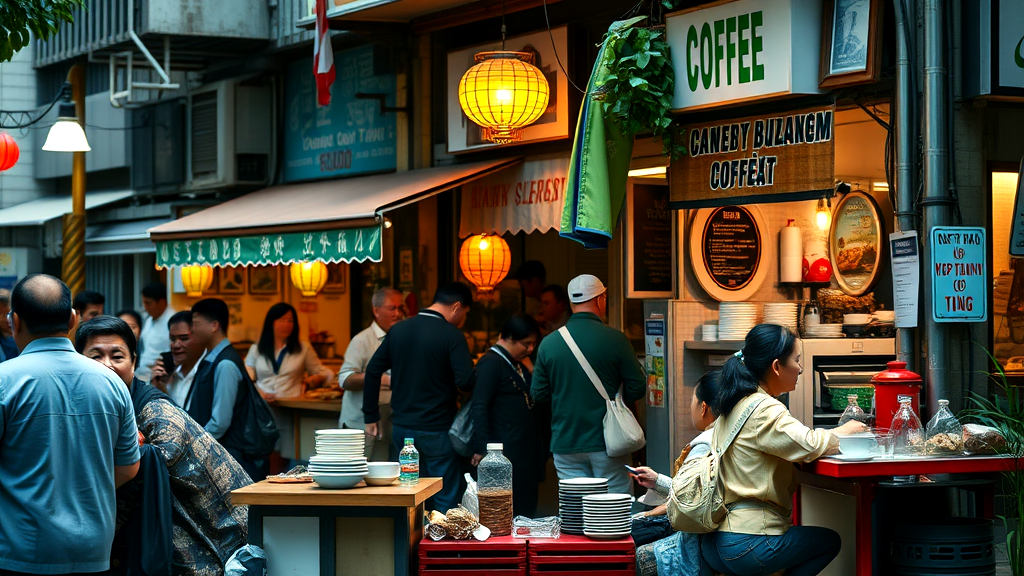
Coffee and its cultural significance can illustrate these nuances beautifully. In Vietnam, coffee isn’t just a drink. It’s a ritual, a social event, a moment of pause. Picture a bustling street corner where the aroma of strong Vietnamese coffee mingles with the chatter of vendors. Translating a scene like this into English is more than just swapping words. You need to convey the soul of the moment.
Being aware of cultural references is essential in avoiding translation problems. Ultimately, no one desires a translation that lacks clarity. Misinterpretations can turn a serious business document into a comedic skit. Imagine accidentally translating a solemn proverb into slapstick humor. Oops!
With translation services, especially those offering Vietnamese translation, it’s crucial they understand the cultural context. A top-quality service will fully immerse itself in the culture, not just superficially observing it. I say, dive in! Not literally, of course. Unless you’re diving into a bowl of phở.
When looking to find high-quality Vietnamese translation services, consider factors beyond just language skills. Services should balance competitive pricing with cultural expertise. I once worked with a translator who was a whiz at technical document translations. They transformed convoluted jargon into user-friendly text. Such a transformation is valuable.
Speaking of translation problems, a common translation problem arises with idioms. In Vietnamese, idioms are like little nuggets of wisdom wrapped in humor. Translating them requires a delicate touch, much like brewing the perfect cup of Vietnamese coffee.
Language learning is a journey filled with surprises. Vietnamese offers a world of flavors, much like its coffee. Engaging in this journey helps avoid common translation mishaps. Each dialect and tone adds a new layer of complexity. Yet, it’s these complexities that make the language so rich and rewarding.
In improving document translation, it’s not just about word accuracy. It’s about embracing the cultural essence. The goal is to produce a high-quality Vietnamese translation that resonates, much like a well-brewed cup of coffee resonates with your soul.
Table: Coffee’s Cultural Role in Vietnamese Language
| Aspect | Vietnamese Culture Insight | Translation Challenge | Impact on Coffee Experience |
|---|---|---|---|
| Social Gathering | Coffee is a communal event | Capturing social nuances | Enhances connection |
| Daily Ritual | Integral to morning routines | Conveying habitual significance | Creates a sense of routine |
| Symbolism | Represents relaxation and conversation | Translating symbolic meanings | Provides a cultural insight |
| Flavor Profile | Known for strong, robust flavors | Describing taste sensations | Evokes sensory experiences |
| Idiomatic Usage | Coffee-related idioms in language | Translating idiomatic expressions | Adds cultural depth to language |
List: Key Considerations in Vietnamese Translation
- Cultural Immersion: Embrace Vietnamese culture to capture its essence.
- Idiomatic Expressions: Handle these with care to maintain intent.
- Dialect Differences: Recognize regional variations in dialects.
- Coffee Culture: Reflect coffee’s significance in translations.
- Tone Sensitivity: Be aware of tonal nuances in communication.
- Accurate Word Choice: Choose words that convey the intended meaning.
- Language Learning: Engage in continuous learning for improved accuracy.
- Client Communication: Collaborate with clients to understand context.
5 Tips for Accurate Vietnamese Translation
When you want accuracy in Vietnamese translation, you need more than just a dictionary. It’s like brewing the perfect cup of coffee—attention to detail makes all the difference. Understanding cultural nuances is your first step. Dive into Vietnamese media to grasp local slang and idiomatic expressions. This immersion helps avoid those pesky translation problems that trip up the unwary.
Next, you need to specialize. Think of it like becoming a coffee expert; know your beans! Have expertise in fields you’re translating. Whether it’s technical document translations or legal paperwork, understanding the jargon is crucial. Translation tools can be your best friend here. They help maintain consistency, a critical factor when working on improving document translation.
Communication is key, especially with clients. Often, concepts don’t translate directly. Picture trying to explain the rich aroma of coffee to someone who’s never tasted it. Collaborate with clients to resolve these tricky spots. This ensures the final product is both accurate and culturally relevant.
Moreover, vigilance in language structure is non-negotiable. Vietnamese can be like a complex coffee blend with its compound words and multi-word verbs. Paying close attention to these ensures you don’t lose the intended meaning. And always keep learning. LanguageLearning isn’t just a one-time endeavor. It’s like a lifelong coffee tasting journey—every new word or phrase adds richness to your skills.
Here’s a little table to espresso (pun intended) some ideas:
| Aspect | Importance Level | Common Issue | Coffee Analogy |
|---|---|---|---|
| Cultural Immersion | High | Misinterpretation | Sipping local brews |
| Specialized Knowledge | High | Jargon Confusion | Knowing your coffee types |
| Translation Tools | Medium | Inconsistency | Precision in brewing |
| Client Collaboration | High | Concept Gaps | Discussing the perfect roast |
| Vigilance in Language | Medium | Meaning Loss | Meticulous grinding |
Looking for top-quality services? I suggest you find high-quality Vietnamese experts. They should balance linguistic skills with cultural understanding. Often, native speakers provide the best results. They have an innate sense for cultural references and idiomatic expressions. This is similar to how a seasoned barista knows just how to brew that perfect cup.
To wrap up, here are some quick tips:
- Immerse yourself in Vietnamese culture.
- Develop expertise in specific fields.
- Use translation tools wisely.
- Communicate effectively with clients.
- Stay vigilant in language structure.
- Commit to continuous language learning.
- Seek input from native speakers.
- Always aim to understand the context fully.
These steps ensure your translations are not just accurate but also resonate culturally. Just like coffee, a little effort goes a long way in creating something truly satisfying.
Finding Reliable Vietnamese Translation Services
When I’m on the hunt for dependable Vietnamese language services, a few things pop to mind. First stop? I check out the reputation of the service. I want to see glowing reviews, not a mixed bag. A good word from past users is like a trusted friend’s recommendation. It’s gold.
Next, I dig into their expertise in the field I need. Whether it’s legal, technical, or anything else. I want translators who know the ropes and the lingo. For instance, if I’m dealing with coffee industry contracts, I need someone who speaks the language of the bean.
I also keep an eye out for native speakers. They’re the secret sauce. They understand the nuances, those little twists and turns of the language that can trip up non-native speakers. They ensure the translation doesn’t just convey words but the heart of the message.
Then there’s technology. I look for services leveraging the latest tools. Things like translation memory and computer-aided tools help keep things consistent and sharp. It’s like having a safety net that catches the small stuff.
I can’t forget about confidentiality. It’s crucial, especially for sensitive documents. I need assurance that my information won’t end up in the wrong hands. A solid confidentiality agreement is a must-have.
Lastly, I consider the price. I don’t want to break the bank, but I also believe in the old saying: “You get what you pay for.” I look for a fair balance between cost and quality.
Now, let’s break it all into a neat little table. Imagine you’re sipping a cup of coffee, and you see this:
| Factor | Why It Matters | Example |
|---|---|---|
| Reputation | Trust and reliability | Positive user reviews |
| Field Expertise | Industry-specific knowledge | Coffee contracts |
| Native Speakers | Cultural and language nuances | Understanding idiomatic expressions |
| Technology Use | Consistency and accuracy | Translation memory tools |
| Confidentiality | Protects sensitive information | Signed agreements |
I’ve also got a checklist to make sure I’m covering all bases. Here’s what I jot:
- Research reputation and reviews.
- Confirm field-specific expertise.
- Ensure native speakers are involved.
- Check the use of modern translation tools.
- Verify confidentiality measures.
- Compare pricing and value.
- Test communication responsiveness.
- Seek recommendations from trusted sources.
And there we have it. It’s like brewing the perfect cup of coffee—each step adds to the flavor.

Translation between English and Vietnamese is like navigating a complex maze. It requires understanding not just the words but the culture behind them. When I translate, I look for the hidden meanings in colloquialisms and idioms. This isn’t just about words; it’s about stories, emotions, and humor.
Choosing the right translation service is crucial. I want a service that balances cost and quality. It’s like finding the perfect pair of shoes – they need to fit just right. Native speakers with cultural knowledge make a big difference. They ensure the translation resonates with the local audience. Specialized services are like having an expert guide, leading the way through industry-specific jargon.
In the end, it’s about making connections. Through translation, we bridge worlds and create understanding.
FAQ
- How do cultural nuances affect English-Vienamese translation?
Cultural nuances are like the secret sauce in language. They play a big role in translation. Vietnamese has unique tones and dialects. Without this understanding, jokes or sarcasm can get lost. Imagine translating a pun without knowing it’s a pun! That’s why cultural insight is key.
- What are some tips for improving my Vietnamese translation skills?
I have a few tricks up my sleeve. First, immerse yourself in Vietnamese culture. Watch shows or movies. It helps with dialects. Next, specialize in a field. Get comfy with technical terms. Use translation tools for consistency. And don’t shy away from asking clients questions. Lastly, pay attention to language structure. It can make or break the meaning.
- What should I look for in a reliable Vietnamese translation service?
Finding a good service is like finding a needle in a haystack. Look for transparency in pricing. Native speakers are a must. They bring in linguistic and cultural expertise. Cutting-edge technology is a plus. And don’t forget about confidentiality. You want your secrets safe, right? Choose services that specialize in your required field. They know the lingo.
- How can I communicate effectively with a translation client?
Communication is the backbone of a successful project. Be clear and concise. Ask questions if something is vague. Discuss any culturally specific terms. It’s better to clarify than guess. Show flexibility and understanding. Clients appreciate a translator who listens.
- Why is specialized knowledge important in translation?
Specialized knowledge is like having a superpower. It allows translators to handle industry-specific jargon. Whether it’s legal or creative, knowing the field makes a difference. It ensures the message is clear and accurate. Plus, it makes you stand out in a crowded market.