In Order to Be a Good Translator
Translation is a challenging task that requires more than just knowing two languages. It’s about understanding cultural nuances and expressions. For instance, culinary translation isn’t just about food words. It’s about capturing flavors and cultural tastes. Similarly, in literary translation, I must preserve the author’s voice while making it resonate in English.
Legal translation is another beast altogether. I have to be precise. There’s no room for error. One wrong word could change a contract’s meaning.
Machine translation tools help, but they often miss the context. That’s where human touch comes in. We have to apply various translation techniques to ensure accuracy. Whether it’s legal or audiovisual translation, every word matters.
Key Takeaways
- A good translator needs strong cultural awareness for accurate translations.
- Translators face challenges with idioms and accuracy, especially in legal fields.
- Machine translation can’t replace human touch for context and cultural nuances.
- Ethical considerations and localization are crucial in translation practices.
- Evaluating translation outputs requires checking accuracy and cultural fit.

Common Challenges Faced by Translators
When diving into the realm of translation, a challenging task awaits every translator. It’s like walking a linguistic tightrope. Take legal translation, for instance. One wrong word and you might send someone to jail. Yikes! Culinary translation? Getting that mouth-watering menu just right can mean the difference between a Michelin star and, well, yawn. Audiovisual translation is another beast. Subtitles need to sync perfectly, or you’re left with a comedy of errors. And let’s not forget literary translation. Capturing the author’s voice while making it sing in English is an art form. Oh, the beauty of words!
Table: Challenges in Translation
| Type of Translation | Challenge | Impact on Outcome | Skill Required |
|---|---|---|---|
| Legal | Accuracy | High stakes decisions | Precision |
| Culinary | Cultural nuances | Customer satisfaction | Creativity |
| Audiovisual | Synchronization | Viewer experience | Timing & Tech |
| Literary | Author’s voice | Reader engagement | Artistry |
| Machine Translation | Lack of context | Overall quality | Human oversight |

Effective Communication Strategies for Translators
Crafting effective strategies for a translator hinges on more than words alone. As I navigate the nuances of translation, a challenging task, I find that understanding cultural contexts is key. Diving into the subject matter is crucial, especially in fields like legal, culinary, or audiovisual translation. It’s a bit like being a detective, piecing together not just language, but the cultural puzzles behind it.
Balancing modern tools like machine translation with my human touch ensures accuracy and depth in translation. Yet, even the best tech can’t always grasp the subtleties of an author’s voice in literary translation or the timing in audiovisual pieces. So, my approach combines research with technology and a deep dive into cultural nuances, ensuring every project speaks authentically and clearly.
| Type of Translation | Key Challenge | Required Skill | Example Field |
|---|---|---|---|
| Literary Translation | Author’s voice | Artistry | Novels |
| Culinary Translation | Cultural nuances | Creativity | Recipes |
| Legal Translation | Accuracy | Precision | Contracts |
| Audiovisual Translation | Synchronization | Timing & Tech | Films |
| Machine Translation | Lack of context | Human oversight | General |
For more on translation strategies, one might explore their extensive coverage here.

The Role of Cultural Awareness in Translation
Understanding the cultural role in translation isn’t just about language. It’s like being a cultural detective, unraveling the subtle threads that bind words to their cultural context. Translators must navigate these threads, ensuring the message doesn’t get lost in translation. It’s a challenging task, especially in fields like legal or literary translation. I once had to translate a contract where a single phrase meant two very different things in English and another language. Imagine the chaos if that went wrong! Cultural awareness helps bridge these gaps, ensuring translations are accurate and meaningful. The art lies in capturing the essence of the original text while making it resonate with the new audience. Ever tried translating a joke? It’s a whole different ball game!
| Translation Type | Cultural Challenges | Field of Use | Importance |
|---|---|---|---|
| Culinary Translation | Ingredients & Flavor | Cookbooks | High |
| Audiovisual Translation | Timing & Emotion | Films & TV Shows | High |
| Legal Translation | Terminology & Law | Contracts | Critical |
| Literary Translation | Style & Tone | Novels & Poetry | Vital |
| English Translation | Idioms & Phrasing | Global Documents | Essential |
The Future of Translation
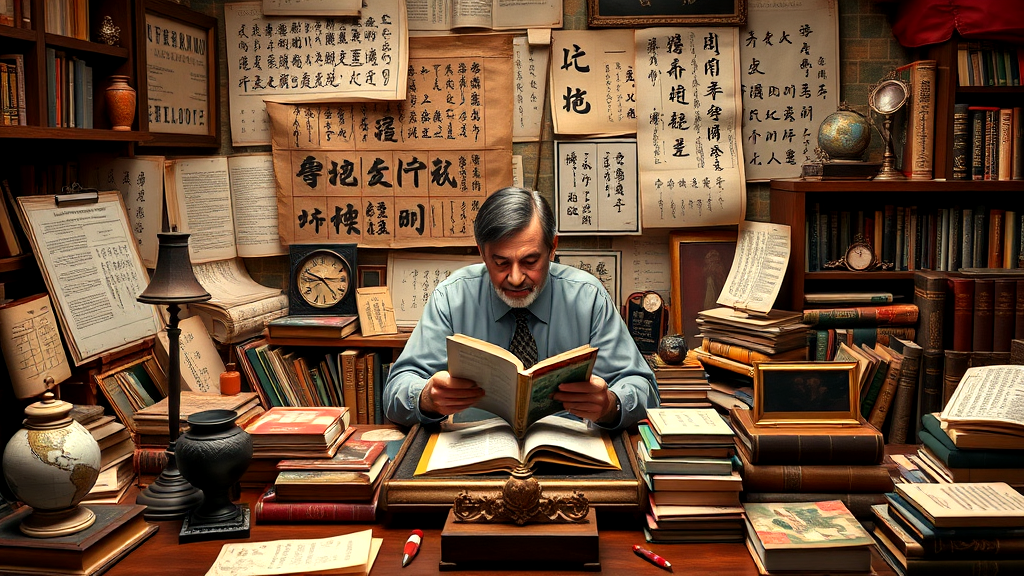
Looking to what lies ahead, translating will always remain a challenging task. As technology evolves, there’s a steady rise in tools assisting with tasks such as English and legal document translations. Yet, these tools often miss the human touch needed for cultural nuances.
For instance, translating a culinary recipe involves more than just words. It’s about capturing the essence of a dish, much like translating emotions in audiovisual content. Legal translations are another ball game, demanding precision with terminology. This is where translation techniques applied become crucial.
Despite these tools, human expertise remains irreplaceable. We juggle cultural subtleties, idioms, and phrasing to ensure accuracy and impact. Embracing this dynamic field is like being an artist, painting with words. It’s about connecting worlds, one sentence at a time. I find this journey both thrilling and demanding.

Advances in Machine Translation and Human Collaboration
Progress in automated translations has been remarkable, yet they still stumble on cultural subtleties. That’s where human collaboration steps in. I find myself laughing at some machine errors—like when a translation tool once turned ‘bake a cake’ into ‘build a pie.’ What a cooking disaster! These blips highlight why human expertise is indispensable, especially in legal contexts, where precision matters. English translations often need a human touch to capture idioms and cultural nuances. Tools can’t always handle these specifics.
To maintain quality, I explore different translation techniques applied to ensure the final product feels natural. It’s like using art to bridge communication gaps. If you’re curious about exploring these translation techniques further, the link provided here offers valuable insights into the evolving field of translation.
Overcoming Linguistic Barriers in Global Communication
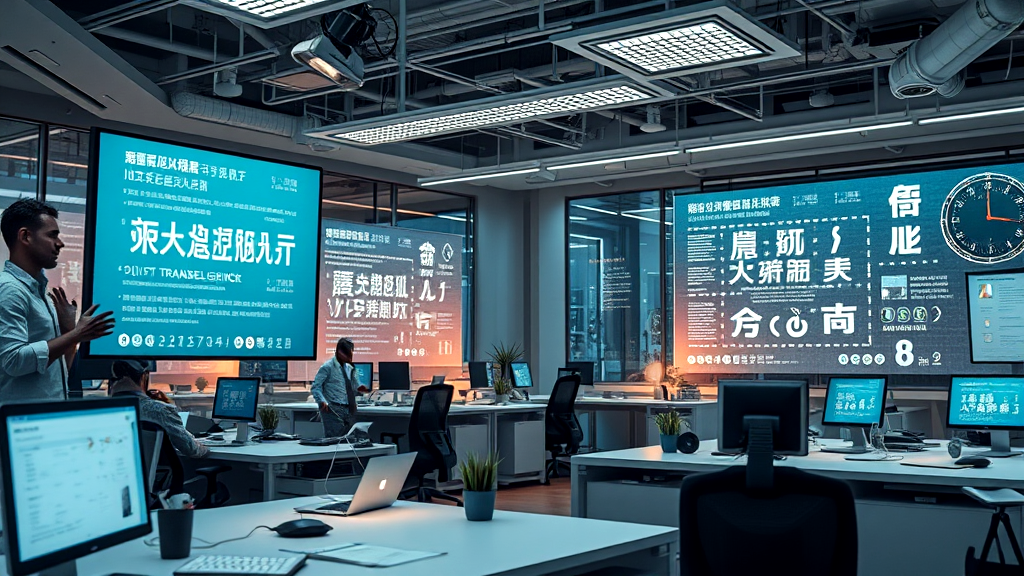
Busting through language obstacles is vital for global chats. Imagine a world without words crossing borders! Translation, a challenging task, is essential for this magic. Translators wear many hats, from legal jargon wranglers to culinary translation experts. They spin words into gold, making sure meanings stay true.
Ever tried explaining a joke in another language? Tough, right? English, with its quirky idioms, can be a puzzle. That’s why human touch is key, especially in legal docs where a slip could spell disaster.
There’s more than one way to crack this nut. Audiovisual translation is another beast altogether, syncing words with actions. It’s like a dance, where timing is everything. And let’s not forget, behind every good translation lies a technique, a method to the madness.

Ethical Considerations in Translation Practices
Ethical aspects in translation mean much more than just swapping words between languages. Translation, a challenging task, requires translators to be like tightrope walkers, balancing between accuracy and cultural sensitivity. They must ensure the original message isn’t lost in translation, especially in high-stakes areas like legal or culinary translation.
Challenges escalate when dealing with English idioms or legal jargon. It’s like trying to catch a slippery fish with bare hands—tricky but rewarding. Similarly, in audiovisual translation, syncing words with visuals can feel like orchestrating a symphony.
One fascinating conversation on this topic can be found in Emily Wilson’s insights on translation shared on Twitter. Her take highlights the tightrope translators walk between creativity and fidelity, underscoring the ethical considerations that thread through every translation.

Integrating Localization in Translation Practices
Localization in translation means adapting content to fit local preferences. It’s like fitting a square peg into a round hole, where precision and creativity meet. Translation, a challenging task, requires tackling complex issues head-on. I know, it’s no walk in the park.
Take English to legal translations, for instance. You can’t just throw words around and hope they stick. They need to fit legal frameworks like pieces in a jigsaw puzzle. The same goes for culinary translation, where flavors and cultural tastes must align.
In audiovisual translation, syncing dialogue with visuals can be a wild ride. Imagine trying to juggle flaming torches while riding a unicycle! But when done right, it’s a masterpiece.
Translators use unique techniques to ensure content resonates deeply. This isn’t just wordplay; it’s about crafting messages that click with audiences.

Evaluating Quality in Machine Translation Outputs
When I consider the quality of translation outputs, the complexity is quite evident. Translation, a challenging task, demands a fine balance between accuracy and cultural context. Imagine translating English legal documents. It’s a bit like walking a tightrope, where one wrong step can lead to misinterpretation. Accuracy is non-negotiable here, as it is with culinary translation, where the cultural essence must be preserved.
In the realm of audiovisual translation, things get more interesting. It feels like choreographing a dance, keeping words and visuals in perfect sync. This is where translation techniques applied can make or break the experience.
Despite the efficiency of machine outputs, the nuances often slip through the cracks. Human oversight is crucial to ensure translations don’t just sound right but feel right too. It’s all about blending precision with empathy.