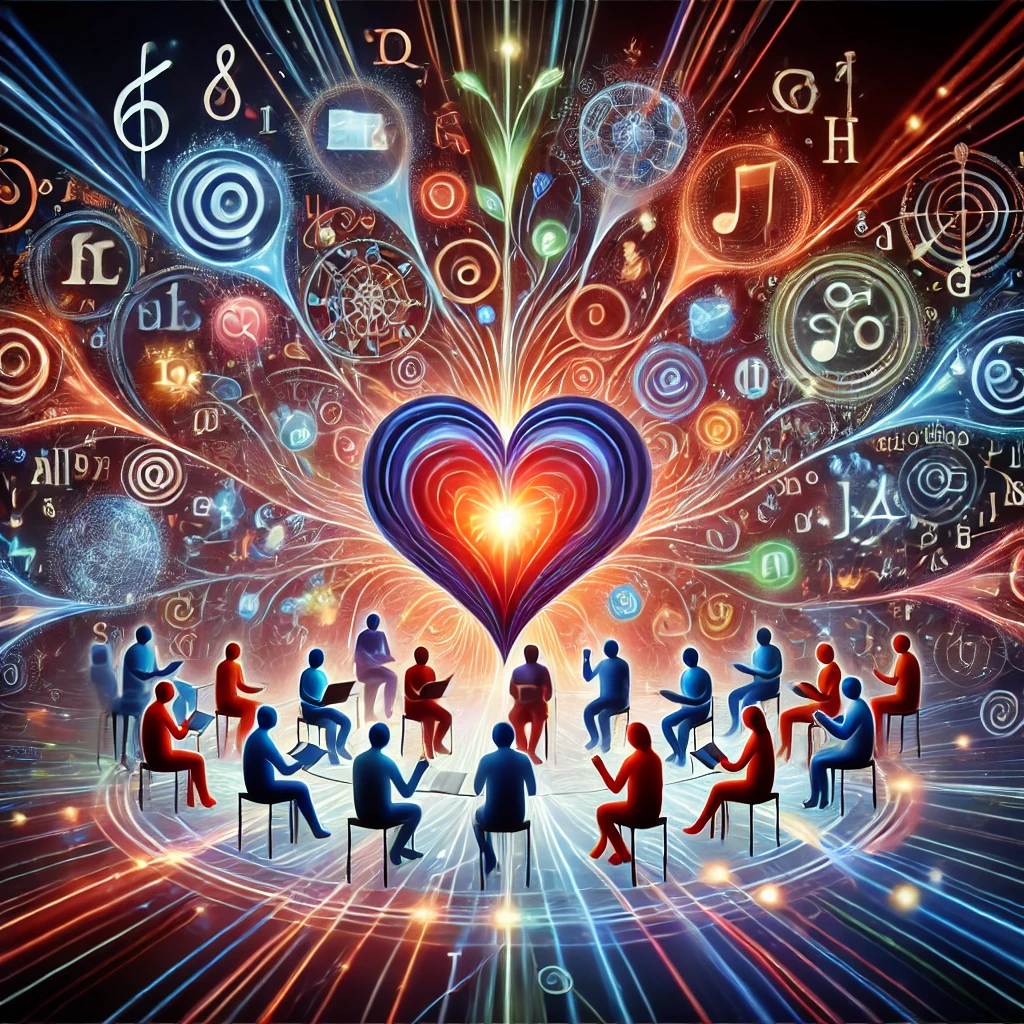
Language is so much more than just a way for people to talk to each other. It’s a beautiful, intricate system that holds the very essence of what it means to be human. It captures our emotions, the variety of our cultures, and the incredible range of our thoughts and ideas.
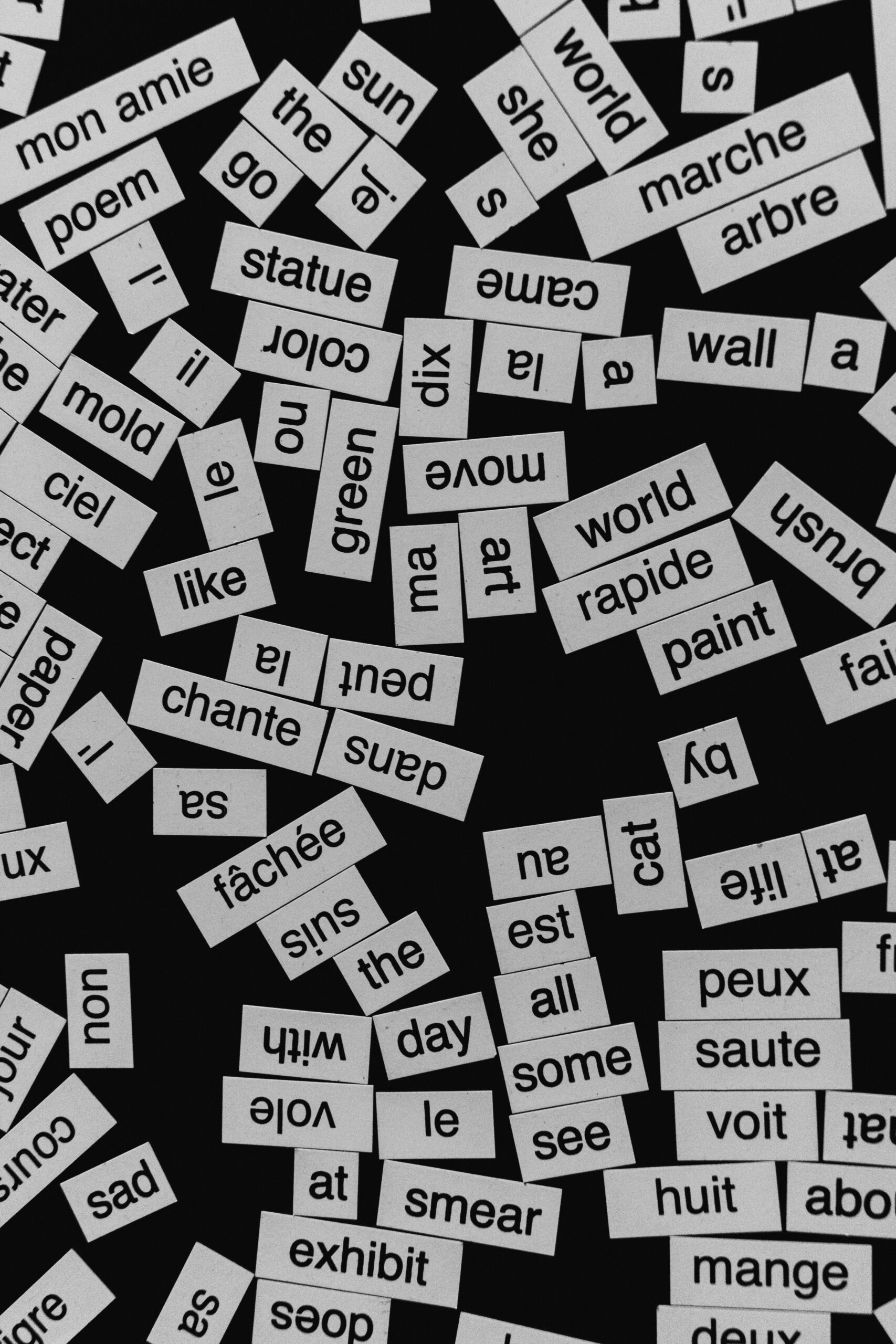
When we speak or write, we’re not just exchanging words; we’re sharing our experiences, our joys, our pains, and our dreams. Language is like a bridge that connects us, allowing us to understand each other and feel a sense of belonging to something greater than ourselves.
At its core, language is a reflection of who we are. Every word we choose carries the weight of our personal history, our upbringing, and our worldview. A simple greeting can tell you where someone is from, their values, or even their state of mind.
For example, in many cultures – Vietnamese for example – a greeting isn’t just “Hello” but an inquiry about health, family, or well-being. It shows care and connection. This subtlety in communication highlights how language is deeply intertwined with cultural values and social norms.
Moreover, language gives us a way to express the entire spectrum of human emotion. Whether it’s the excitement of new love, the sorrow of loss, or the quiet contentment of a peaceful moment, we rely on words to convey what’s in our hearts. Sometimes, the most powerful statements are the simplest. Think of a child saying “I love you” to their parent, or a friend offering a heartfelt “I’m sorry.” These words can carry immense weight because they are tied to our deepest emotions.
Different cultures bring their own unique richness to the way they use language. In Japan, the idea of “ma” refers to the silence between sounds, the pauses in a conversation that allow meaning to sink in. This concept reflects a cultural appreciation for subtlety and reflection.
In contrast, some cultures are known for lively, fast-paced dialogue where people speak over one another, demonstrating energy and enthusiasm. Every culture has its own approach to language, reflecting its values, customs, and way of life.
In many indigenous cultures, language plays a central role in preserving tradition and history. Oral storytelling, for example, isn’t just about entertainment; it’s a way to pass down knowledge, beliefs, and identity from one generation to the next. The words chosen in these stories are often loaded with symbolism, representing everything from natural phenomena to moral lessons. In this way, language becomes a keeper of culture, preserving the past while shaping the future.
What’s fascinating is how language evolves over time. As people migrate, blend cultures, and adopt new technologies, languages adapt. New words are created, and old ones may fade away. This linguistic evolution is a testament to the dynamic, ever-changing nature of human societies.
For instance, the rise of social media has given birth to slang and abbreviations that didn’t exist even a decade ago, but now they’re part of our everyday vocabulary. Terms like “LOL” or “hashtag” have gone from being niche to mainstream in an incredibly short amount of time.
Beyond emotions and culture, language also reflects the complexity of our thoughts. The way we structure our sentences, the metaphors we use, and the order in which we present ideas all give insight into how we think.
For instance, some languages, like English, are very linear, with a clear subject-verb-object structure, while others, like Japanese, often leave the subject implied, focusing more on context. This difference in sentence structure can hint at broader cultural attitudes toward individuality and collectivism.
Some psychologists even suggest that the language we speak shapes the way we perceive the world. The idea, known as linguistic relativity, suggests that the words available to us influence how we categorize and understand our experiences. For example, the Inuit people have multiple words for different types of snow, reflecting the importance of this natural element in their lives. In contrast, someone from a tropical climate might only have one word for it. This isn’t just a linguistic quirk; it shows how language helps shape our reality by focusing our attention on what matters most to us.
In the same vein, learning a new language can open up entirely new ways of thinking. It’s not just about translating words from one language to another; it’s about understanding a new perspective. For instance, in some languages, like French, objects are gendered, meaning every noun is classified as either masculine or feminine. This categorization can lead to thinking about objects in a more personified way, something that might not occur in a language that doesn’t assign gender to nouns.
Language can also be a powerful tool for social change. Throughout history, movements for justice, equality, and rights have been driven by the words of powerful speeches, writings, and conversations.
Think of Martin Luther King Jr.’s “I Have a Dream” speech, which used the language of hope and unity to inspire change. His words didn’t just describe the world as it was—they painted a picture of what it could be. This is the incredible power of language: it can spark revolutions, unite people, and build a collective vision for the future.

Yet, language can also divide us. Misunderstandings, mistranslations, and even the tone of voice can create rifts between individuals and groups. Something said with the best of intentions can be received as an insult if it’s phrased incorrectly or interpreted through a different cultural lens. This shows just how delicate communication can be. We have to be mindful of not just what we say but how we say it, recognizing that language is as much about listening and understanding as it is about speaking.
So language is both a gift and a responsibility. It allows us to connect, share, and grow, but it also requires us to be thoughtful and considerate in how we use it.
Every conversation is an opportunity to bridge gaps, to build relationships, and to create understanding. Language is the thread that weaves together the human experience, and through it, we are able to share the richness of our world with each other.
Whether we’re telling stories, expressing love, or debating ideas, language is at the heart of everything we do. It’s a mirror that reflects our emotions, our cultures, and our innermost thoughts, and through it, we find a sense of belonging in this vast, shared human experience.