Human Translation
In the world of translation, there’s always a debate: human or machine? Each has its own strengths. Human translators bring cultural understanding and finesse. They handle idioms and complex texts with ease. Meanwhile, machine translation offers speed and consistency. Imagine processing a whole book in minutes! But, machines lack the personal touch and cultural insight. A mixture of experts, combining both, might be the future. Manual translation still holds value, especially when precision is crucial. Think about technical or legal documents. Neural machine translation is improving, learning like a human brain. But in the end, the choice depends on the need. Sometimes, a blend of both is just right.
Key Takeaways
- Human translators understand cultural nuances and ensure accurate and culturally sensitive translations.
- Machine translation offers speed but lacks the personal touch and cultural insight.
- A mixture of experts using both human and machine translation might be the future.
- Manual translation is crucial for technical, legal, and complex documents.
- Using CAT tools helps maintain consistency and improve translation quality.

Translation Evolution Through Centuries
The evolution of translation over the centuries is a fascinating journey. From ancient scribes converting sacred texts to the printed word’s boom demanding translators, this field has been a steady companion to human progress. Today, we find ourselves in an era where machine translation engines like neural machine translation are making waves. Yet, the delicate art of manual translation holds its ground. There’s a certain charm in the human touch that these machines can’t quite grasp. Human translators bring an irreplaceable nuance, especially when dealing with languages deeply rooted in culture.
Imagine the task of translating a historical document with layers of meaning. Sure, machine translation technologies offer efficiency, but can they capture the subtlety of an idiom or the emotional undertone of a love letter? This is where human expertise shines, bridging the gap that technology leaves behind. Still, I can’t help but marvel at the promise of a mixture of experts who can blend machine efficiency with human intuition. This collaboration might just be the secret sauce to future translation services.
Speaking of future, ever heard of the z-code mixture? It’s an intriguing concept in artificial intelligence aiming to advance machine translation engines further. But enough tech talk for now. Let’s get back to a world I love—where manual translation breathes life into words. A multilingual knowledge base crafted by human translators isn’t just a linguistic asset; it’s a treasure trove of culture and history. Language translation services are not merely about words; they’re about weaving connections across cultures.
Engaging Experiences in human translation
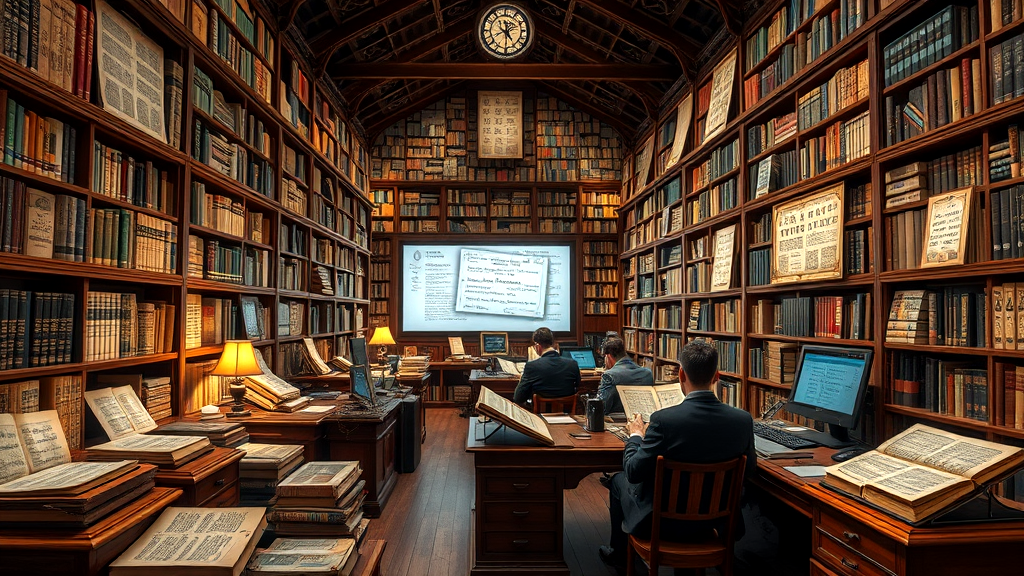
Experiences with human translation blend linguistic skills and cultural understanding. Human translators offer the unique ability to ensure translations are accurate, idiomatic, and culturally sensitive. This is crucial in fields like legal, technical, or medical translations, where precision is key. They adapt content for specific audiences, making sure it resonates effectively.
Manual translation thrives on this adaptability and contextual understanding, a clear edge over machine translation. While machine translation technologies, such as neural machine translation, provide speed, they often miss the mark on cultural nuances. In contrast, human translators deliver a personal touch, crucial for nuanced and culturally fitting translations.
Imagine the intricate translation of a legal contract. A machine translation might speed through it, but can it grasp the legal nuances? Manual translation offers the subtlety required here. Human translators ensure the document remains true to its original intent without losing any legal meanings.
Mixture of experts strategies, blending machine efficiency with human intuition, are making waves. They address the need for accuracy while benefiting from machine translation’s speed. This hybrid approach could redefine translation services, providing a balance of quick processing and cultural depth.
While exploring machine translation engines, I stumbled upon the z-code mixture. It’s an exciting development in artificial intelligence aimed at advancing machine translation quality. Yet, I find comfort in the art of manual translation. A multilingual knowledge base crafted by humans isn’t just a linguistic tool; it’s a cultural goldmine. CAT tools enhance this by aiding translators with consistency, ensuring high-quality outputs.
Human translation isn’t just about converting words. It’s about capturing the essence of communication. It’s the heart of effective language translation services. For more on how tech influences industries, M. Turea’s study on tech and healthcare innovations might be enlightening here.

Exploring machine learning
Venturing into the realm of machine learning unveils its impact on translation. Machine translation technologies are evolving, offering quick solutions while still lacking in cultural nuances. As much as I appreciate this speed, I can’t help but smile at those awkward translations that sometimes pop up. You know what I mean, right? It’s like asking a cat to bark!
While manual translation offers depth, machine translation engines bring efficiency. They process large text volumes, which is great for businesses needing rapid results. However, I never underestimate the prowess of human translators. Their ability to understand context and emotions is unmatched. Imagine trying to translate a joke with a machine — it’s like trying to tickle a robot!
Artificial intelligence has been a game-changer, introducing systems like the z-code mixture that aim to improve translation quality. But I find solace in knowing that human touch is irreplaceable. The healthcare systems and legal sectors demand accuracy; machines can assist, but humans ensure precision.
CAT tools serve as a bridge. They help human translators maintain consistency without losing the human touch. They’re like trusty sidekicks, ensuring quality in language translation services. I enjoy seeing how technology aids rather than replaces human expertise.
The knowledge base of translators ensures culturally sensitive and idiomatic translations. It’s a blend of heart and technology, creating a multilingual knowledge base that machines alone can’t achieve. This human-machine synergy is something special.
While machines offer speed, the human touch remains essential for nuanced and meaningful translations. Machine translation is a tool, but not the whole toolbox. So, as we embrace this blend, we should remember that not everything needs to be rushed. Some things are best savored, like a good book or a well-told tale.

Tips for using human translation
Considering how to maximize the benefits of manual translation, I find it crucial to partner with translators who possess not just language proficiency but also deep cultural insights. This understanding ensures that the translation isn’t just technically correct, but also resonates with the audience. Think of it like finding the right melody that hits all the right notes and touches the soul.
CAT tools can be invaluable in this process. They help maintain consistency and aid in managing large projects. Yet, they never replace the need for human translators who can interpret nuances. I’ve seen how these tools serve as assistants, freeing up more time for creative and thoughtful translations.
Providing translators with a context-rich environment boosts the quality of their output. Sharing details about the target audience or the intended tone of voice can make a world of difference. Imagine giving a painter a full palette rather than just a couple of colors.
Using a knowledge base or glossary is another strategy I swear by. It ensures that specific terms are used consistently across all documents. This consistency builds trust and clarity, especially in industries like healthcare systems where precision is key.
When blending the strengths of machine translation technologies with human expertise, the results can be transformative. Machine translation engines offer efficiency, while human translators offer depth. This mixture of experts can lead to seamless translations that not just convey but also connect.
Incorporating a method like the Z-code mixture might seem advanced, but it can enhance translation services further. It allows for flexible adaptation to various contexts and languages, much like changing gears smoothly on a bicycle. This approach can create a streamlined experience, maintaining the integrity of the message across borders. For example, insights into machine learning’s impact on translation have been analyzed in numerous publications, including Nature.
Access to More
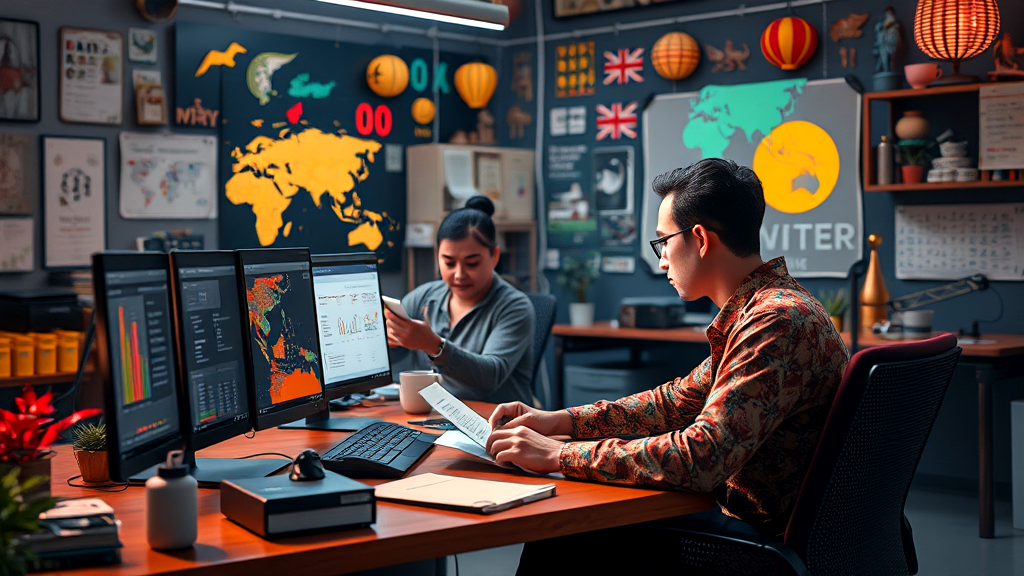
Accessing more through translation leads to an entirely new world of possibilities. Think of it as unlocking a treasure chest of cultures, ideas, and stories. With machine translation evolving rapidly, it’s now a part of our everyday lives. Yet, it’s the human translators who breathe life into words, ensuring they resonate deeply. It’s like having a guide who not just speaks your language but understands your heart.
In this blend of technology and emotion, machine translation engines are like the sturdy ship, while human interpretation is the wind in its sails. This mixture of experts creates something truly magical. Using manual translation ensures that everything is culturally sensitive and precise, especially in areas requiring finesse like marketing or entertainment.
Artificial intelligence plays a part too, but it lacks the soul of a human touch. With the rise of cat tools, efficiency in translation has improved, yet they remain just tools. They’re helpers, not the masters. Imagine trying to catch a breeze with a net; it’s the same with machines capturing human nuance.
And then there’s the multilingual knowledge base. It’s like having a library at your fingertips, ready to assist whenever needed. For businesses, language translation services become the bridge to reach global audiences, making communication seamless and engaging. Healthcare systems benefit from this as well, ensuring critical information is clear and accurate.
Each translation is a journey through words, guided by the wisdom of the past and the innovation of the present. It’s about more than just converting sentences; it’s about connecting souls. So, next time you read something translated, appreciate the craft behind the scenes.

What human translation can do for you
The wonders of human translation lie in its ability to offer high-quality, nuanced translations. Think of it like having a conversation with a local in a foreign land, rather than just reading a map. With human touch, you get cultural insights and connections that machines often miss.
Manual translation brings the human element to the forefront. It’s not just about swapping words; it’s about understanding context. Human translators don’t just translate words; they interpret emotions and intent. This is why businesses aiming to engage audiences effectively swear by human expertise.
But let’s not forget the machine translation engines. They’re quite the handy helpers, especially when speed is key. Still, without a human translator to fine-tune, they’re like a cake without icing. The mixture of experts—machines and humans—creates the best recipes for success.
Machine translation technologies have come a long way. Yet, they still stumble over cultural nuances and idiomatic expressions. It’s like trying to fit a square peg into a round hole. Sure, artificial intelligence can learn, but it lacks the warmth and empathy of a human touch.
If you’re navigating the maze of language translation services, don’t overlook the use of CAT tools. They speed things up, though the human brain is the real powerhouse. I often rely on these tools to maintain consistency and accuracy.
The z-code mixture is quite fascinating too, a blend of algorithms that seems almost magical. In healthcare systems, for example, getting translations right can be a matter of life and death. That’s where the human element shines—ensuring clarity and precision.
So, while machine translation engines are great for a quick fix, human translators add the soul. This blend, a true mixture of experts, ensures that every word resonates with the intended audience.
Conclusion
Human translation remains a valuable asset in our increasingly digital world. Machines are quick and efficient, but they can’t replace the depth of human understanding. They lack the ability to grasp subtle cultural references or complex idiomatic expressions. This is where human translators shine, bringing knowledge and cultural sensitivity to the table.
Imagine trying to translate a joke or a piece of poetry with a machine. It’s like asking a computer to appreciate a sunset—some things need a human touch. Human translators bring empathy, creativity, and a personal touch that machines simply can’t match. So, while technology aids us, let’s not forget the nuanced artistry of human translators. They’re the unsung heroes bridging cultures and languages, ensuring that we all understand each other a little better.
FAQ
- What are the main benefits of human translation over machine translation?
Human translation brings a personal touch that machines can’t replicate. Cultural insights and understanding make translations resonate better. It also ensures high-quality, nuanced translations.
- How has translation evolved over the centuries?
Translation has been a key player in cultural exchange and trade. Ancient translators converted religious texts and historical records. The printing press increased demand, and globalization further amplified it. Machines have joined the game, but human expertise remains crucial.
- Why is cultural understanding important in translation?
Cultural understanding ensures translations are more than just word swaps. It makes sure content resonates with the target audience. Legal or medical translations, for instance, need precision and cultural context.
- What role does machine learning play in translation today?
Machine learning processes large text volumes quickly and efficiently. Neural machine translation has boosted quality by learning from vast datasets. However, it lacks the ability to grasp cultural contexts fully.
- How can I make the most of human translation services?
Collaborate with native speakers who understand cultural nuances. Use translation memory and glossaries for consistency. Providing context and resources can enhance translation quality.