
Human translators offer invaluable cultural knowledge, empathy, and creativity
When I think about good translation, empathy stands out as a key ingredient. It’s not just about swapping words between languages. It’s about understanding the feelings behind those words. Imagine trying to capture a heartfelt poem in another language. Without empathy, the true essence gets lost. Translators need to bridge cultural gaps, making sure the message feels the same. It’s like being a storyteller who speaks many tongues. Machine translation might be quick, but it often misses the human touch. With artificial intelligence improving, there’s hope for better accuracy. Yet, the human element remains irreplaceable. Language models and information systems help, but empathy is the secret sauce that keeps translations genuine and heartfelt.
Key Takeaways
- Empathy is crucial in good translation to keep the meaning and emotions intact.
- Cultural awareness helps translators bridge gaps and convey the intended message.
- Machine translation lacks the emotional touch, making human translators irreplaceable.
- Advances in artificial intelligence aim to improve translation accuracy.
- Language models assist translators, but empathy remains the key to genuine translations.
Challenges Faced by Translators
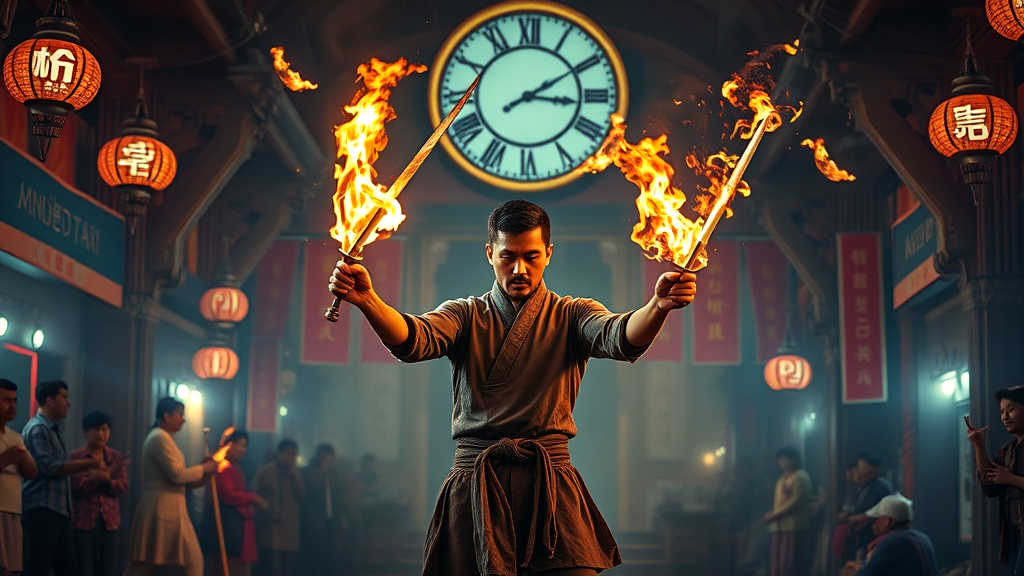
Translators encounter numerous difficulties on their path to delivering good translation. A primary challenge is maintaining the original meaning while adapting cultural nuances. It’s like juggling flaming swords—one wrong move, and you lose the essence.
Oh, and let’s not forget dealing with idioms. Translating these can be a real head-scratcher! If you try to take “raining cats and dogs” literally, you’ll end up with a zoo. Humor aside, these require creativity and finesse.
There’s also the task of staying updated with ever-evolving language dynamics. New slang, words, and phrases pop up like mushrooms after a rain. Keeping up is like running a linguistic marathon. And just when you think you’ve caught up, another trend appears.
Another hurdle is the pressure to meet tight deadlines without compromising quality. The clock always seems to tick faster when you’re under pressure! Balancing speed and accuracy is a delicate dance, one that requires experience and skill.
Interference from language models and machine translation tools presents another layer of complexity. While they assist in translation, they sometimes miss the subtleties of human expression. Trust me, a robot can’t catch a pun like a seasoned translator can.
Handling varied subjects demands in-depth knowledge. From legal documents to scientific papers, each field requires a different approach. It’s like being a jack-of-all-trades, constantly learning and adapting.
Lastly, receiving feedback and criticism can be daunting. But it’s crucial for growth. It’s a chance to refine skills and deliver even better translations next time. Embracing this process is key to improvement.
Table: Challenges and Solutions for a Good Translator
| Challenge | Impact on Good Translation | Solution |
|---|---|---|
| Cultural Nuances | Misinterpretation | Cultural research |
| Idiomatic Expressions | Literal translation mistakes | Creative adaptation |
| Language Evolution | Outdated language usage | Continuous learning |
| Tight Deadliness | Compromised quality | Time management strategies |
| Machine Translation | Loss of subtleties | Human review and adaptation |
- Understanding cultural differences helps in delivering better translations.
- Creativity is essential when dealing with idiomatic expressions.
- Staying updated with language trends requires constant learning.
- Efficient time management is crucial for meeting deadlines.
- Human review is necessary to catch nuances missed by machines.
- Feedback helps improve translation quality over time.
- Knowledge of various subjects enhances translation accuracy.
- Balancing speed and detail ensures high-quality translation.
Communication Strategies for a Good Translator
When thinking about strategies that enhance the art of translating, I always prioritize good translation. It’s the heart and soul of what I do. Effective communication isn’t just about words; it’s about bridging cultures with precision. First, I establish a strong rapport with my clients. This connection helps me understand their needs and preferences. Knowing the client’s voice aids in maintaining consistency throughout the project.
I also emphasize clarity. It’s like painting a picture with words. Ambiguities can lead to misunderstandings, so I ask questions to ensure I’m on the right track. It’s a bit like being a detective, solving the mystery of what the client truly means. Next, I embrace feedback. It’s gold in my book. Constructive criticism helps me refine my skills. I see it as a stepping stone to enhancing my translation abilities, not just a hurdle to overcome.
Keeping up with the latest technology is another key aspect. I leverage tools like artificial intelligence and language models to boost my efficiency. They’re like having a superpower at my fingertips. However, I always ensure the human touch isn’t lost. Machines are fantastic, but they can’t replace the nuances of human emotion.
Incorporating information systems into my workflow streamifies the process. It’s like having a well-oiled machine where every part knows its role. This also aids in managing large volumes of information without losing track. I organize my resources meticulously. A well-maintained database of terminology, context, and client preferences is invaluable. It’s like having a treasure chest that I can dip into whenever needed.
I also focus on critical thinking. This is my secret weapon for tackling complex texts. I dissect each sentence, understanding its core meaning before translating it. It’s akin to solving a puzzle, where each piece needs to fit perfectly. Teaching others about the importance of critical thinking is something I enjoy. Sharing my experiences helps others grow, and it enriches my understanding too.
Listening is another undervalued skill. It’s the unsung hero of communication. By truly hearing what others say, I can respond appropriately and make informed decisions. This ensures that my translations resonate with the intended audience, like music to their ears.
Building relationships with fellow translators is also beneficial. We share insights and learn from one another. It’s like having a support group that understands the challenges specific to our profession. Together, we navigate the intricacies of the field, learning and evolving continuously.
Here’s a quick guide I follow to ensure good translation:
- Establish clear communication with clients. Understand their goals and preferences.
- Seek clarity by asking questions. Never assume; always confirm.
- Welcome feedback and use it to improve your skills.
- Leverage technology like artificial intelligence for efficiency but maintain a human touch.
- Organize your resources systematically. Keep a database of terminology and context.
- Employ critical thinking to analyze and understand complex texts thoroughly.
- Listen actively to clients and colleagues. It fosters better understanding and relationships.
- Collaborate with fellow translators. Share knowledge and gain fresh perspectives.
I also find it helpful to periodically assess my methods. This self-evaluation keeps me on my toes and ensures that I deliver nothing short of excellence.
| Strategy | Benefit | Tools Utilized | Outcome |
|---|---|---|---|
| Clear Communication | Understanding client needs | Client Meetings | Consistent Translation |
| Clarity Focus | Eliminates ambiguities | Clarifying Questions | Precise Translation |
| Embrace Feedback | Skill Enhancement | Constructive Criticism | Improved Quality |
| Technology Leverage | Increased Efficiency | AI & Language Models | Faster Turnaround |
| Resource Organization | Information Management | Database Maintenance | Streamlined Workflow |
By adhering to these methods, I ensure that every project I tackle is a testament to good translation. It’s all about finding that sweet spot where words, context, and emotion meet in harmony. Balancing these elements is like conducting an orchestra, where each note contributes to a beautiful symphony.
When You Translate, you Need Cultural Awareness
Recognizing the importance of cultural awareness within translation is essential for achieving good translation. By understanding cultural nuances, I’m able to preserve the intended message and emotional undertone of the original text. It’s a bit like cooking; the recipe might be the same, but the local spices make all the difference. Sometimes, I find myself adapting idioms to fit the cultural context, ensuring the translated message feels natural and relatable to the target audience. This is where my critical thinking comes into play, allowing me to navigate through these complexities with ease.
Cultural elements deeply influence language and meaning. A phrase that works perfectly in one culture might fall flat or even offend in another. I once translated a marketing slogan that included a pun. It worked brilliantly in English but needed a completely different approach in French. Rather than a direct translation, I created a new pun that resonated with the French audience, capturing the brand’s playful spirit. This approach is crucial for good translation, keeping the audience engaged and the communication effective.
Generative language models are becoming more prominent in the translation field. While they offer incredible speed and efficiency, they often lack the human touch needed to grasp cultural subtleties. They might churn out translations at lightning speed, but without human oversight, they can miss the mark culturally. I see these models as helpful tools rather than replacements. They assist in the initial draft, which I then refine to ensure it aligns with cultural expectations. This blend of technology and human insight is where the magic of good translation happens.
Incorporating cultural awareness requires me to engage in continuous learning and adaptation. I immerse myself in the target culture, whether through reading, watching local films, or even engaging with native speakers. These experiences enrich my understanding and equip me with the insights needed to produce high-quality translations. Teaching critical thinking is integral to this process, helping me evaluate cultural nuances and their impact on language. By honing these skills, I ensure my translations are not just accurate but also culturally resonant.
One memorable project involved translating a children’s book from Japanese to English. The original text was rich with cultural references that wouldn’t make sense to English-speaking children. I had to creatively adapt these elements while preserving the book’s charm and educational value. This kind of translation challenges me to think critically and creatively, ensuring the final product is both engaging and culturally sensitive. Such experiences highlight the importance of cultural awareness in achieving good translation, where the message is not just conveyed but also celebrated.
Here’s a table highlighting the role of cultural awareness in achieving good translation:
| Aspect | Importance in Translation | Impact on Good Translation | Example |
|---|---|---|---|
| Cultural Nuances | Ensures message is contextually correct | Enhances relatability | Adapting idioms |
| Language Models | Initial draft assistance | Requires human refinement | Generative translations |
| Continuous Learning | Keeps translator culturally informed | Improves translation quality | Engaging with native speakers |
| Adaptation Skills | Allows for creative solutions | Maintains original intent | Children’s books |
When assessing critical thinking in translation, I rely on a few strategies:
- Familiarize myself with the cultural context of the source text.
- Identify cultural references and their importance.
- Evaluate potential misinterpretations in the target language.
- Consider the target audience’s cultural background.
- Use generative tools for initial drafts.
- Refine translations to ensure cultural accuracy.
- Collaborate with native speakers for context validation.
- Continuously update my knowledge of cultural trends.
A recent study on artificial intelligence and its role in translation highlights that while AI can assist in translation tasks, it lacks the depth of cultural understanding that a human translator provides. This underscores the necessity of human involvement in the translation process, ensuring cultural nuances are respected and preserved.
In today’s world, good translation demands more than linguistic accuracy; it requires a deep understanding of cultural contexts. By prioritizing cultural awareness, I’m able to deliver translations that not just convey messages but also resonate with diverse audiences. This approach is my secret sauce in crafting translations that truly connect.
The Future of Good Translators
When pondering the evolution of translation, it’s clear that good translation is evolving rapidly. Technology is playing a starring role. Think of translation as a growing tree, with roots in traditional methods and branches reaching toward future innovations. With the rise of artificial intelligence, we’re seeing the emergence of tools that can analyze and translate text in record time. But there’s a catch. Machines, no matter how smart, still miss the nuances that make languages tick. They get tangled in idioms and cultural references.
Imagine trying to explain “raining cats and dogs” to a non-English speaker without context. That’s where the human touch shines. I see this as a dance between man and machine. Combining AI with human intuition results in translations that are not just accurate but also meaningful. Machine translation serves up the bones of the text, while human translators flesh it out with emotion and context. This is the core of good translation: a blend of speed and soul.
Let’s talk about language models. They’re like chefs in a bustling kitchen, constantly whipping up new recipes. As they learn from vast amounts of text, they become adept at predicting words and phrases. But there’s more to the dish. Generative capabilities allow these models to create content that’s almost indistinguishable from human writing. But again, the human element is irreplaceable. We add the spice, the flavor that makes a translation come alive. Without it, we risk serving up a bland text soup.
In the realm of information systems, translation is more than just converting words. It’s about managing vast amounts of data and ensuring accurate output. Think of it like a librarian sorting through a mountain of books, each with its own language. Only a translator with keen communication skills can ensure the books are shelved correctly. This is why teaching critical thinking and assessing critical thinking in translators is crucial. It’s not just about words, but the ability to think on one’s feet.
Here’s a little tip from my experience: don’t rely solely on technology. Use it as a tool, a trusty sidekick. But remember, the hero of this tale is still human. This approach not just ensures good translation, but elevates it. It’s about creating a symphony, where every instrument, every note, plays its part.
Let’s look at a snapshot of the translation future:
| Trend | Impact on Good Translation | Human Involvement | Technology Use |
|---|---|---|---|
| AI and Machine Learning | Speed and efficiency | Needed for nuance | High |
| Cultural Awareness | Authenticity and relatability | Essential | Moderate |
| Language Models | Predictive text and context | Oversight needed | High |
| Information Systems | Data management and accuracy | Essential | High |
| Communication Skills | Clear and effective translation | Crucial | Low |
Here are some key points to consider:
- AI tools are getting better, yet they still need human oversight.
- Cultural context is king. Without it, translations fall flat.
- Language models are evolving, but they’re not perfect.
- Human translators bring emotion and understanding, beyond just words.
- Balancing tech and human touch leads to good translation.
- Information systems ensure consistency and accuracy.
- Critical thinking is crucial in addressing unexpected challenges.
- Always aim for translations that resonate, not just communicate.
In my experience, the future of translation is bright, yet requires balance. A good translator is like a skilled chef, blending technology with human intuition to serve up a dish that delights the senses. This fusion is the heart of good translation. 🤔
Machine and Human Collaboration in Translation
The progress in language models and their collaboration with humans is like a tango dance. Both partners are essential to achieving a seamless performance. In this age of rapid technological evolution, the synergy between humans and machines creates translations that resonate deeply. Machine translation is advancing, but it’s the human touch that adds the magic.
In my journey of exploring these artificial intelligence wonders, I’ve found that these technologies are more like enthusiastic apprentices. They learn from us, adapt, and occasionally surprise us with their generative capabilities. Yet, they still rely on human wisdom to refine nuances and context. Good translation is often a collaborative effort, with machines handling the grunt of data processing and humans perfecting the finer details.
While I watch these advancements unfold, I see how large language models have evolved. They’re capable of translating vast amounts of text rapidly. But let’s face it, understanding cultural subtleties? That’s still a human’s job. Our role is shifting from translators to editors and cultural mediators.
I recall a recent project where a machine-translated text was nearly perfect. However, it missed some cultural idioms. It was like baking a cake without the icing! With a few tweaks, the translation became not just accurate but also engaging. This experience was a testament to the strength of human-machine collaboration.
In the realm of information systems research, I’ve observed how these systems handle information management effectively. They ensure information flows smoothly, maintaining consistency and accuracy. Yet, they don’t replace the need for human oversight. We guide these systems, leveraging our critical thinking to assess and improve their outputs.
Let’s not ignore the importance of communication skills in this partnership. A good translator communicates not just words but emotions and intent. Machines assist in the heavy lifting, but humans add the emotional intelligence required for effective communication. This is where teaching critical thinking becomes essential. It helps us evaluate machine outputs critically.
- Machines excel in processing vast data quickly; humans excel in understanding context and culture.
- Artificial intelligence aids in translations but requires human involvement for nuanced meanings.
- Good translation involves more than accuracy—it’s about resonance and cultural relevance.
- Language models bridge the gap between different languages but need human refinement.
- Information systems streamline data handling but benefit from human critical oversight.
- Generative models provide innovative suggestions, yet humans ensure contextual precision.
- Balancing technology with human intuition leads to translations that truly connect.
- Translators as cultural mediators enhance machine-generated text with cultural insights.
In practice, machine translation serves as a foundation. It provides the structure upon which humans build. Think of it like creating a blueprint for a house. The machines draft the initial design, but humans customize it, ensuring it fits the intended lifestyle and aesthetic.
Having worked with both sides of the coin, I can say that the future of translation lies in this blend. Machines handle tedious tasks, freeing us to focus on creativity and empathy. This is where our critical thinking skills come into play, allowing us to identify and address unexpected challenges that arise in translation.
In conclusion, the dance between machines and humans must continue evolving. As we refine our roles, translations will not just communicate messages but connect hearts. By working together, we create a tapestry of understanding that transcends language barriers.
Let’s embrace this generative partnership and see where it takes us. In this tango, every step matters, and together, we create a dance that captivates audiences worldwide.
A Good Translator Will Overcome Linguistic Barriers
Addressing linguistic challenges in worldwide dialogues involves more than just swapping words between languages. The art of good translation is akin to constructing a bridge between cultures. It’s not merely about translating text but also about conveying emotions and intentions. Think of it like trying to capture the essence of a great joke in another language; it’s not just the words, it’s the timing and context that matter too.
The secret sauce to mastering this task lies in good translation practices. This requires not just an understanding of language but also an appreciation of cultural nuances. Imagine trying to explain a local festival to someone who’s never even heard of it. You need context, background stories, the smells and sounds. It’s the same with translation. Giving life to words involves understanding their soul.
Good translation is where human intelligence and artificial intelligence find a sweet spot. While AI helps with speed and consistency, human translators bring empathy and understanding to the table. AI can handle the grunt of the workload, but it’s not quite there yet in grasping the subtleties of human emotions. Therefore, the collaboration between man and machine is like a well-rehearsed duet. Machines do the heavy lifting, and humans add the flair.
This partnership is evident in machine translation. Although it’s evolving, it still needs a human touch to perfect the final output. AI is like a sponge, absorbing data and learning from it, which helps in refining translations. But without human intervention, it can be like painting a picture without knowing the colors.
Good translation is crucial not just for communication but for fostering trust. If a message is poorly translated, it can lead to misunderstandings, sometimes even comical, but other times serious. Imagine what happens when a safety manual gets mistranslated. It’s not just words; it’s lives at stake.