Evolution of Translation Technologies
Moving from traditional translation methods to cutting-edge technologies, we’ve witnessed remarkable changes. Back in the day, translation involved painstakingly manual efforts. People relied on their bilingual skills and heavy dictionaries. Fast forward to today, technology has taken a leap. Machines now assist in translating vast amounts of text with surprising speed and consistency.
The transition began with simple digital aids. These tools helped human translators with basic suggestions. Over time, machine learning and artificial intelligence entered the scene. They revolutionized the process, offering near-instant translations. Yet, it’s like comparing apples to oranges when you look at the human touch. Machines may be fast, but they lack the nuanced understanding of cultural context. A joke or idiom can easily get lost in translation without human insight.
Interestingly, the Fourth Industrial Revolution is further shaping this evolution. It’s blending human skills with AI capabilities. This era promises more refined translations, where machines handle the grunt and humans focus on complexity. I’ve seen instances where this collaboration produced translations that are both accurate and culturally resonant.
Now, think about the future. Imagine AI that can mimic human understanding! It’s not far off. Businesses are already integrating both methods, leading to impressive results. Gates Notes have highlighted examples where AI complements human translators, achieving a balance. Challenges remain, of course. Machines still grapple with idiomatic expressions. But with ongoing research, these hurdles are being tackled.
| Phase | Description | Key Development | Impact on Translation |
|---|---|---|---|
| Early Days | Manual efforts and dictionaries | Human skills | Time-consuming process |
| Digital Aids | Basic tools assisting translators | Suggestion tools | Increased efficiency |
| Machine Learning | AI powers near-instant translations | Speed and consistency | Large volume handling |
| Current Era | Human-AI collaboration | Fourth Industrial Revolution | Enhanced accuracy |
| Future Outlook | AI mimicking human understanding | Ongoing research | Overcoming current limits |
Human Translation: Strengths and Limitations
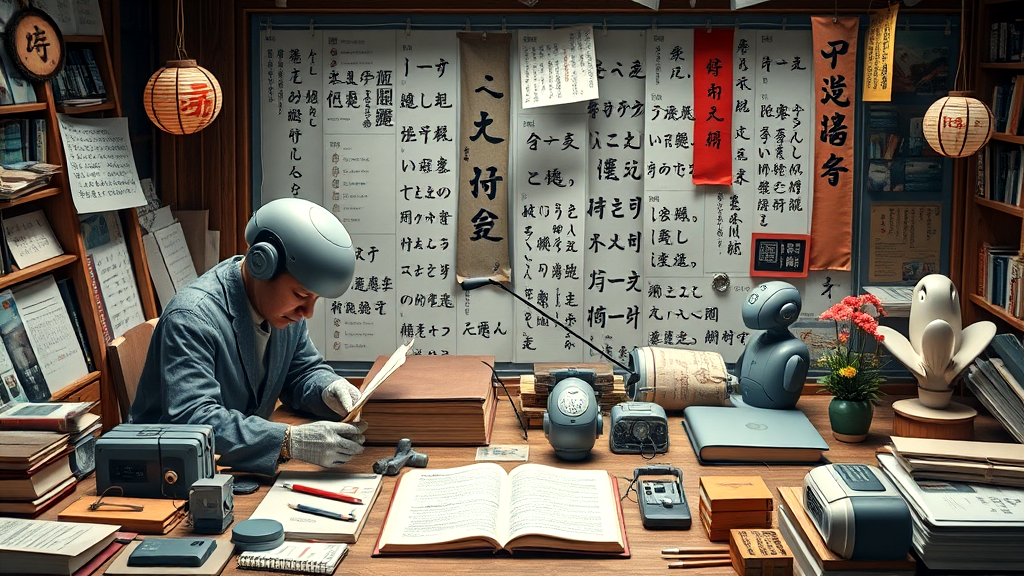
Exploring the strengths and drawbacks of human translation, I find it’s a bit of a mixed bag. On one hand, human translators bring a rich understanding of context and cultural nuances. They get the jokes, subtleties, and idioms that machines might miss. Yet, they can also be slow as molasses, especially with large texts. There’s room for human error too, which can lead to some interesting but not-so-accurate interpretations.
Sometimes, machine translation can seem like a faster, more efficient choice. But, when cultural sensitivity is crucial, humans still take the cake. Machines may stumble over cultural jokes or regional dialects, leading to hilarious results—or embarrassing ones.
Now, if speed is of the essence, machines often outshine human translators. This makes them ideal for handling large volumes of data quickly. But the human touch is invaluable when precision and nuance matter.
Translation is both an art and a science, and neither humans nor machines are perfect. The Fourth Industrial Revolution is opening doors for improved collaboration between the two. This collaboration might just be the key to achieving the best of both worlds in translation.
| Aspect | Human Translation | Machine Translation |
|---|---|---|
| Cultural Nuances | Excellent understanding | Often lacking |
| Speed | Slower | Much faster |
| Error Potential | Human errors possible | Errors due to lack of context |
| Volume Handling | Challenging for large volumes | Handles large volumes with ease |
| Fourth Industrial Revolution | Better collaboration potential | Enhanced capabilities |
For insights on language evolution, the researchers at IJE delve into fascinating aspects.
Machine Translation: Current Capabilities
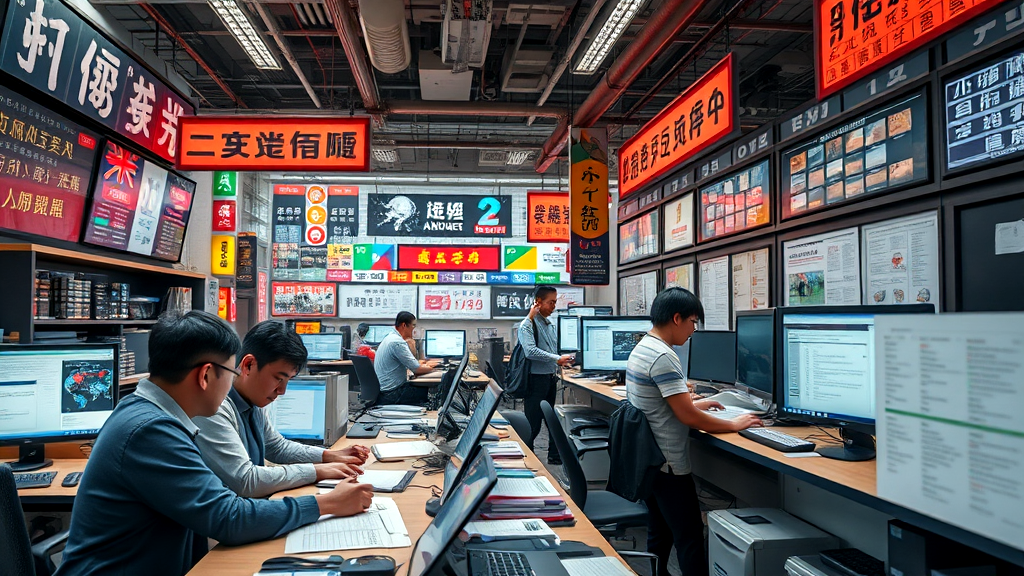
Examining what machines can do in translation today is like peeking into a futuristic world. It’s like watching robots learn to paint. Machines are now translating languages faster than I can finish a cup of coffee. If you need speed, machines are a good bet. Their ability to handle vast text volumes is impressive, almost like a superpower. They never get tired, unlike me after a long day.
However, don’t expect too much from them with idioms or jokes. Machines don’t get humor. It’s like asking a fish to climb a tree. I chuckle at the thought of machines trying to understand sarcasm, the ultimate language challenge.
In the context of the Fourth Industrial Revolution, they’re becoming more capable, but still have a way to go. While they handle repetitive tasks and large datasets with ease, subtleties of human emotion and cultural nuances remain challenging.
Yet, there’s a silver lining. AI-powered translation systems improve daily, learning from their mistakes faster than I learn from mine. It’s like teaching a dog to fetch—eventually, they get it right. As we consider the future, the gates notes suggest that collaboration between human brains and silicon chips could lead to remarkable breakthroughs.
| Feature | Machine Translation Strengths | Machine Translation Weaknesses |
|---|---|---|
| Speed | Fast processing | Struggles with sarcasm |
| Volume Handling | Large text volume capacity | Limited cultural understanding |
| Consistency | Uniform translations | Lacks emotional comprehension |
| Learning Ability | AI-driven improvements | Slow adaptation to nuanced language |
| Fourth Industrial Revolution | Enhanced capabilities | Needs human collaboration |
The Role of Artificial Intelligence in Translation
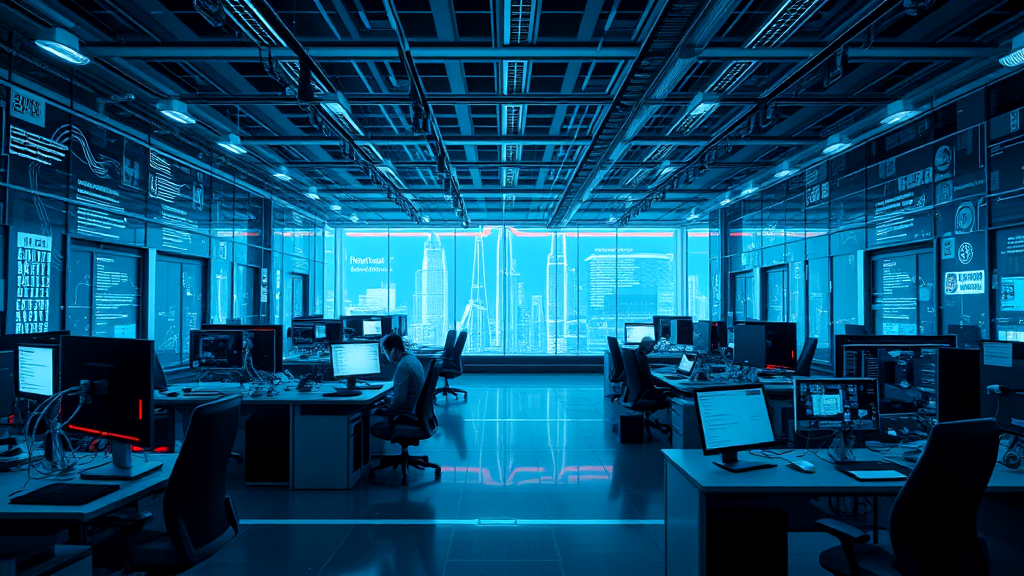
When it comes to the role of AI in translation, it’s like adding a turbo engine to a classic car. AI has brought about a significant enhancement in translation speed and accuracy. It’s like having a tireless assistant that never sleeps, processing vast amounts of text with ease. I find it fascinating how AI can learn from its mistakes, steadily improving translation results over time. Yet, it’s not all smooth sailing.
Despite AI’s prowess, it still grapples with sarcasm and nuanced language. This is where human translators step in, like expert sailors navigating tricky waters. They excel at understanding cultural subtleties and emotional undertones, areas where machines can falter. AI might deliver quick translations, but it occasionally lacks the warmth and depth of human touch.
The fourth industrial revolution is a game-changer, driving innovation in translation technologies. By blending AI’s power with human insight, we get the best of both worlds. Picture this: a seamless collaboration where AI tackles repetitive tasks, leaving humans free to focus on creative, nuanced translations. Sounds like a match made in heaven, right?
In the grand scheme of things, AI and human translators are like dance partners. Each brings unique strengths to the floor, creating a performance that’s both efficient and rich in meaning. As we forge into the future, I can’t help but wonder about the possibilities this partnership will unlock. It’s like opening a new chapter in the book of translation.
| Aspect | AI Strengths | AI Weaknesses |
|---|---|---|
| Speed | Fast processing | Struggles with sarcasm |
| Volume Handling | Large text volume capacity | Limited cultural understanding |
| Consistency | Uniform translations | Lacks emotional comprehension |
| Learning Ability | AI-driven improvements | Slow adaptation to nuanced language |
| Fourth Industrial Revolution | Enhanced capabilities | Needs human collaboration |
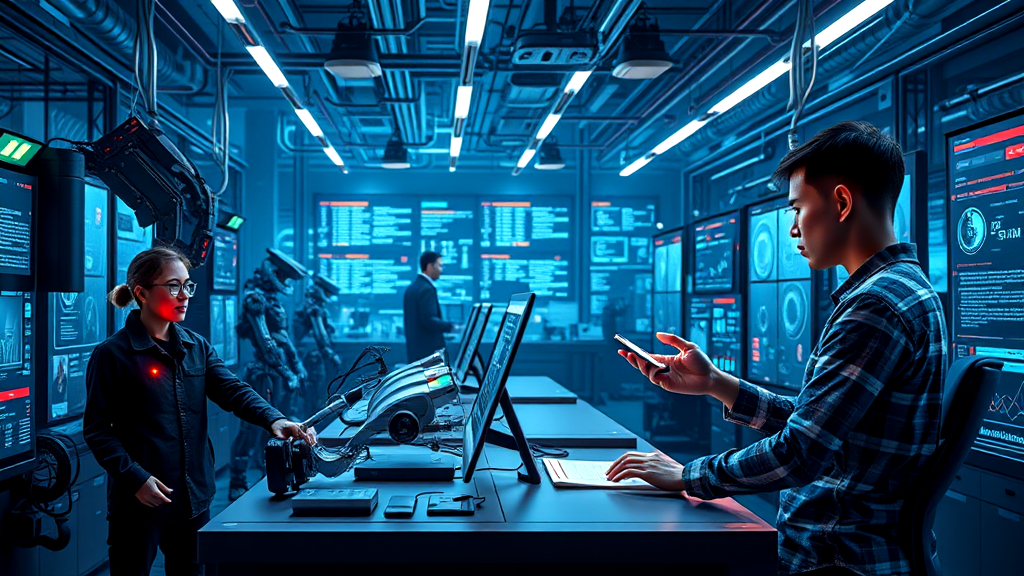
Comparing Accuracy: Human vs. Machine
When examining the accuracy of human and machine translation, the differences can be quite fascinating. Humans often excel in capturing the subtleties and nuances of language. For instance, a human translator might understand cultural references or idiomatic expressions with ease. Machines, however, shine in speed and consistency, especially when handling large volumes of text. They don’t tire or vary in their translations, which can be a huge advantage.
Yet, there’s a catch. Machines can sometimes miss the mark in context or tone. Picture trying to translate a sarcastic remark—machines often stumble here. Human translators can interpret the intended tone, giving more accurate translations in such cases.
- Human Intuition: Humans understand context and culture. Machines lack this intuitive grasp.
- Speed and Volume: Machines translate faster and handle larger text volumes effortlessly.
- Consistency: Machines deliver uniform translations; humans may vary with fatigue.
- Nuance Understanding: Humans capture emotions and subtleties. Machines often miss these.
- Learning Capability: Machines can improve with AI, but humans adapt to changes quicker.
- Collaboration Needs: Both methods benefit from collaboration, enhancing overall translation quality.
- Cultural References: Humans handle cultural nuances better, crucial in certain translations.
- Fourth Industrial Revolution: This era highlights the potential for human-machine synergy, making translations more efficient.
In the realm of translation, it’s like comparing apples to oranges. Each has its own strengths, and when combined, they offer a more robust solution.

Cultural Nuances in Translation
Navigating the subtleties in translation requires more than a word-for-word conversion. Cultural awareness is key. Imagine translating an English idiom into another language—without understanding its cultural roots, the meaning might get lost entirely. I once had a friend who translated “kick the bucket” literally into Spanish. The result was met with puzzled looks, as if he had just said something about kicking a random object. Understanding cultural contexts is where human translators shine.
Machines, for all their speed and efficiency, often trip over these cultural hurdles. They can translate words, but grasping the subtlety of cultural undertones? That’s a different ball game. It’s like asking a robot to tell a joke—it might get the syntax right, but the delivery? Not so much.
In the Fourth Industrial Revolution, there’s a growing emphasis on blending human insight with machine power. This synergy aims to bridge cultural gaps while maintaining the efficiency of machine translation. It’s like having the best of both worlds—machines handle the heavy lifting, while humans finesse the finer points.
When I think about cultural nuances and translation, it’s like crafting a bridge between two lands. It’s not just about connecting points A and B but ensuring people can walk across with understanding. Gates Notes often explores how technology can enhance human capabilities, and translation is no exception. We need both human creativity and machine precision to create translations that truly resonate.
| Aspect | Human Translation | Machine Translation | Combined Approach |
|---|---|---|---|
| Cultural Sensitivity | High | Low | Balanced |
| Speed | Moderate | High | Optimized |
| Consistency | Variable | High | Tailored to context |
| # |