
English-Viet Translation: Development Paths
English-Viet translation has a rich history. It’s been an essential tool in bridging linguistic gaps, especially in medicine and education. Over the years, the need for professional translators has grown. This growth is tied to globalization and our connected world. Language services play a crucial role in helping Limited English Proficient populations access opportunities. Certification programs have bolstered translator standards. However, specific credentials for academic translators are still limited.
Technological advancements have reshaped translation. AI tools like ChatGPT offer quick translations. Yet, the human touch is irreplaceable for nuanced tasks. Translation services ensure cultural understanding. As we look to the future, the role of human translators will remain pivotal.
Key Takeaways
- The wellness center offers various programs to support community well-being.
- Language services are essential for connecting diverse communities and cultures.
- The Pacific Development Center plays a crucial role in cultural development within the region.
- Translation services ensure accurate communication, especially with English document translation.
- Sara García is recognized as a leading certified Spanish interpreter in the industry.

Historical Milestones in English-Viet Translation
The journey of English-Viet translation has seen remarkable evolution over time. Initially, translation was pivotal in connecting different tongues, especially in sectors like healthcare and education. With globalization, the demand for language services has skyrocketed, ensuring that people with limited English skills can access essential opportunities. This surge led to the creation of certification programs for translators, raising the bar for professionalism, though academic translators still face a gap in credentials.
These advancements remind me of a bustling wellness center—constantly adapting to meet the needs of its diverse clientele. Similarly, the Pacific Development Center plays a role in fostering cultural bridges through language. The center’s focus on cultural development parallels the translation industry’s goal to preserve linguistic diversity while embracing new technologies.
In this shifting environment, Sara García could be the epitome of a dedicated professional, always ready to navigate the intricate world of translation. Her expertise as a Spanish certified translator adds a layer of credibility, much like a seasoned guide leading you through a dense forest.
As technology continues to weave its threads into the fabric of translation, tools like machine translation and AI are reshaping the field. These innovations offer quick solutions, but they lack the human touch. It’s like relying on a GPS in the wilderness—helpful, but sometimes you need a seasoned explorer’s intuition.
Even with these tech marvels, the essence of translation—the human element—remains irreplaceable. Machines can’t capture the subtle nuances that a Spanish conference interpreter might master. The need for skilled translators endures, highlighting the importance of fostering a deeper understanding of languages and cultures.
| Milestone | Impact on Translation | Sector | Notable Figure |
|---|---|---|---|
| Early 20th Century | Bridged linguistic gaps | Education | – |
| Globalization Era | Increased demand for translators | Healthcare | – |
| Certification Programs | Elevated professionalism | Legal | – |
| Technological Advances | Introduced AI tools | Technology | – |
| Cultural Development | Enhanced cross-cultural understanding | Global | Sara García |
Through these milestones, the translation industry continues to evolve dynamically, much like a wellness center behavioral program adapting to meet new challenges. It’s an exciting journey, and I feel fortunate to witness it unfold.

Impact of Technology on Translation
Technological changes are shaking up translation, don’t you think? These innovations are like a double-edged sword. They offer incredible tools like machine translation and AI chatbots. These can whip up translations faster than a barista makes espresso. But, do they have the cultural nuance of a certified translator? Not quite. They need us humans to dot the i’s and cross the t’s.
Now, while tech speeds things up, it doesn’t replace the need for language services. Picture it like this: you’re at a fancy restaurant, and your AI is the appetizer. It whets your appetite but leaves you craving the main course – a human touch. That’s where professionals step in. They tackle the nitty-gritty of context and culture.
And, let’s not forget cultural development. Technology opens doors to understanding different cultures. But again, can it really grasp the subtleties? This is where we, the translators, bring home the bacon. We ensure that our translations aren’t just word-for-word but heart-to-heart.
Here’s something else to chew on. With our world becoming a global village, there’s a higher demand for language services. I mean, wouldn’t you want to ensure everyone gets the message? Whether it’s a wellness center program or an Asian Pacific development initiative, accurate translation is crucial.
Now, let’s dive into some interesting tidbits:
- Machine translation saves time but lacks emotional depth.
- AI tools are getting better, but they still miss cultural cues.
- Human translators are essential for nuanced and context-rich translations.
- Tech can handle repetitive tasks; humans handle complexity.
- Real-time translations are more accessible, but not always perfect.
- Demand for translators grows as more cultures interact.
- Credentials for translators are increasingly valued.
- Technology broadens reach but needs human refinement.
| Technological Tool | Advantage | Limitation | Human Role |
|---|---|---|---|
| Machine Translation | Fast | Lacks nuance | Cultural context |
| AI Chatbots | Convenient | Misses subtleties | Emotional depth |
| Speech Recognition | Real-time | Not always accurate | Verify accuracy |
| Language Services | Wide reach | Needs cultural insight | Ensure quality |
| Translation Apps | Easy access | Limited understanding | Cross-check |
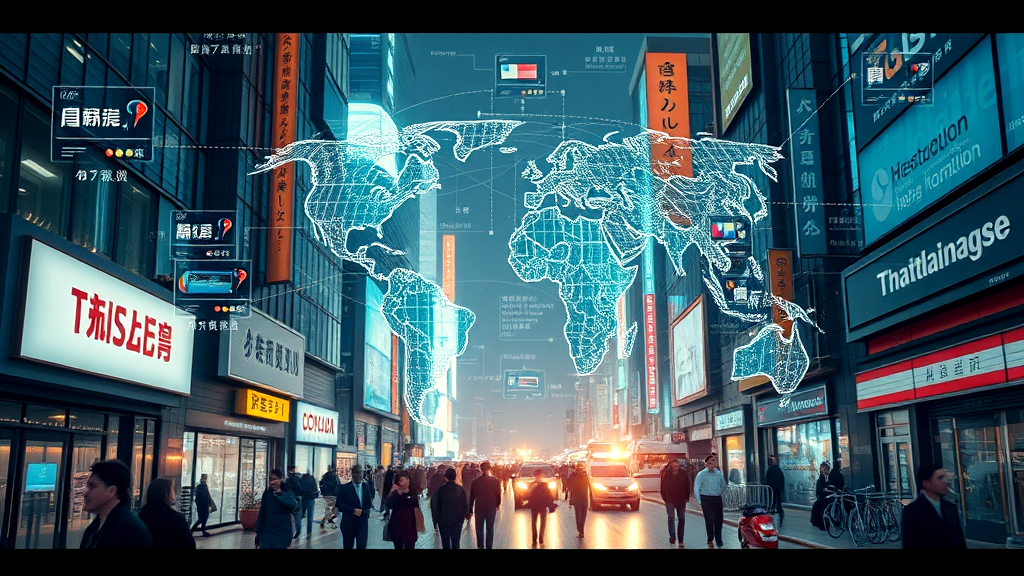
Future Trends and Innovations in Translation
Anticipating the pathways of translation, I foresee an exciting journey. AI and machine learning are set to transform how we handle repetitive tasks. These tools promise to enhance efficiency, especially in standardized areas. But don’t toss your dictionaries just yet! The human touch remains indispensable. No AI can grasp cultural nuances like a seasoned translator can.
As our world embraces multilingualism, inclusive translation services grow more crucial. I see a rising demand for culturally sensitive approaches. Translation isn’t just about words; it’s about connecting hearts and minds. Therefore, cultural development will be a key theme. Think of it like adding spices to a dish—each language brings its own flavor.
Another trend I expect is the rise of specialized credentials. Certification programs for translators will likely expand. It’s like earning a badge of honor. This ensures quality across various fields, from law to wellness center programs. Imagine translators walking around with badges, like superheroes ready to save the day!
I also predict innovations in tools like the Colorado Language Connection. These tools will evolve to meet the diverse needs of global communication. Incorporating AI is akin to having a Swiss Army knife—handy and versatile. Yet, the trusty human translator remains the master chef in the kitchen of communication.
Here’s a quick list of what’s on the horizon:
- AI-driven efficiency in task handling.
- Growing need for inclusive translation approaches.
- Specialized credentials for better quality assurance.
- Enhanced tools for diverse communication needs.
- Increased emphasis on cultural understanding.
- Development of new training programs.
- Expanding global reach for translators.
- Integration of AI with traditional methods.
| Technology | Pros | Cons |
|---|---|---|
| AI Translation | Fast, efficient | Lacks cultural depth |
| Machine Learning | Handles repetitive tasks | Misses human emotion |
| Specialized Tools | Versatile, adaptable | Requires human oversight |
| Certification | Ensures quality | Limited availability in some areas |
| Cultural Development | Enhances understanding | Needs human insight |
So, what do I see on the horizon? A thrilling blend of tech and human touch, both dancing to the same tune. Translate that!
Conclusion
The journey of English-Viet translation reflects a vibrant mix of history and innovation. From early translation efforts to today’s tech-driven solutions, the path is rich with learning. Technology has revolutionized the field, offering tools that were once unimaginable. Yet, there’s always a special place for human touch. Machines might churn out words, but human translators bring soul and context.
As I peek into the future, I see exciting challenges and opportunities. New technologies will push boundaries, but the heart of translation remains human. We’ll need translators who can blend tech skills with cultural insight. That’s where the magic happens! Translation is more than words; it’s about connecting hearts across languages. And that’s a journey worth taking.
FAQ
- How has the demand for English-Viet translation evolved over time?
The demand has grown significantly due to globalization. As the world gets more connected, more people need translations. This is especially important in fields like medicine and education.
- What role does technology play in English-Viet translation today?
Technology offers tools like AI-driven translation and speech recognition. These make translating faster and more accurate. However, machines can’t replace humans for complex, nuanced translations.
- Are there any certifications for English-Viet translators?
Yes, there are certification programs. These ensure translators meet high standards, much like those in court or medical interpreting. However, academic translation credentials are still limited.
- What future trends should we expect in the translation field?
More tech innovations are on the horizon. AI and machine learning will streamline processes, especially for repetitive tasks. Yet, the human touch will remain crucial for cultural sensitivity.
- Why is the human element still essential in translation?
Machines lack the ability to understand context and culture. Humans bring that necessary intuition and understanding. They ensure translations are not just accurate, but also meaningful.