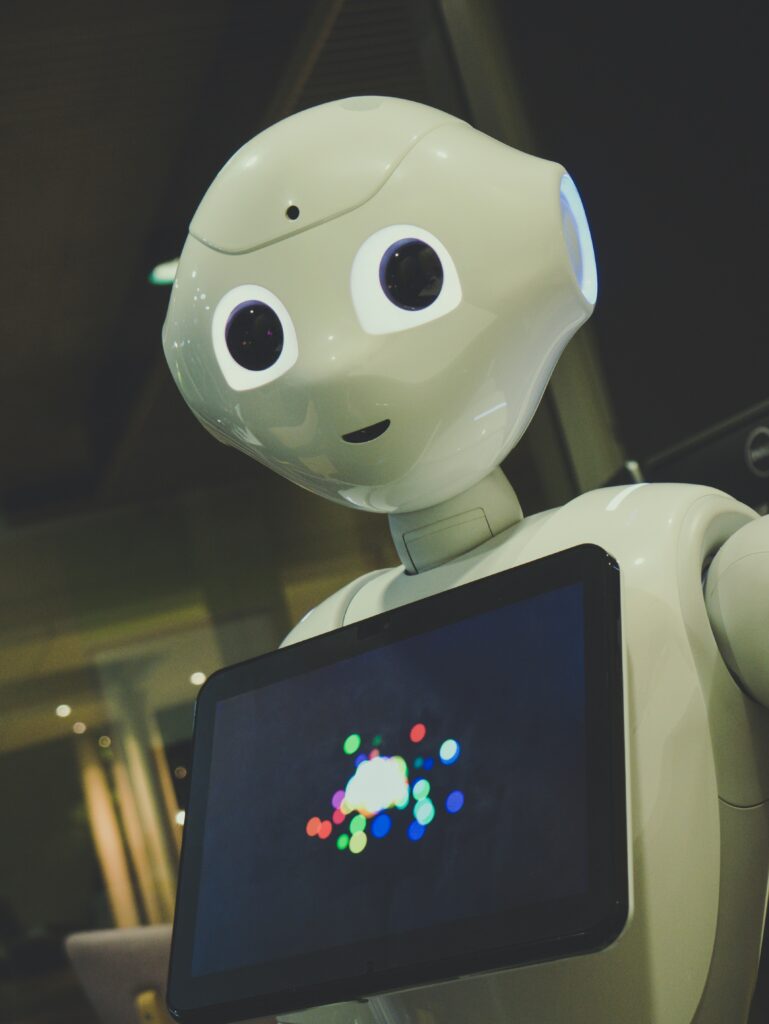
Despite technological advancements, machines still struggle with the intricacies of language
Machines have come a long way in language processing. With advancements in natural language processing and language models, the field has seen significant improvements. However, the nuances of human language remain a challenge. Even the most advanced machine learning models can stumble over complex language tasks, like capturing cultural subtleties or idiomatic expressions.
Generative models, such as large language models, strive to mimic human understanding. Yet, they often miss the mark when it comes to context. Despite their capabilities, machines still rely heavily on people for interpretation and refinement.
Natural language processing aims to bridge this gap. It empowers information systems research by enhancing language processing tasks. But let’s face it, machines still need a little human touch to fully grasp the intricacies of our languages.
The Complexity of Human Language Understanding
The challenge of grasping human language complexities is one that fascinates me. Machines, for all their power, often miss the subtle cues and context that people naturally interpret. This is where generative language models come into play. They try to emulate human comprehension, but the journey is far from straightforward.
Consider a conversation laden with cultural references or idiomatic phrases. Machines often stumble here, especially when such phrases are deeply rooted in historical or cultural contexts. The subtleties can be lost, leaving the machine sounding like a tourist trying to decipher a local dialect. While artificial intelligence has made strides in language models, it still requires human insight to truly translate these complexities.
Here’s a simple analogy: imagine trying to explain a joke to a non-native speaker. The words might translate, but the humor often doesn’t. Machines face a similar predicament. Natural language processing (NLP) aims to bridge this gap. However, without the ability to truly “understand,” machines rely on people for that final touch of interpretation.
- Context Matters: Machines, despite their generative capabilities, often miss nuances. Understanding context is crucial, and this is where people excel. Machines may translate words, but people grasp the meaning behind them.
- Idiomatic Expressions: These are notoriously difficult for machines. While large language models can attempt translations, they often require human intervention to capture the essence.
- Cultural Subtleties: Language is steeped in culture. Machines process data, but they lack the lived experience that people bring to the table. This makes cultural nuances a significant stumbling block.
- Emotional Intelligence: Machines lack this entirely. While generative models can mimic responses, they cannot feel or empathize. This ability to connect emotionally remains a human trait.
- Ambiguity Handling: Language is filled with ambiguity. Machines may select a probable meaning, but humans excel in discerning the intended meaning based on context.
- Creativity: Machines follow patterns, while creativity often involves breaking them. Language models can generate text, but true creativity is still a human domain.
- Learning Through Experience: Machines learn from data, but people learn through experiences. This difference means that machines can miss out on the depth of understanding that comes with experiential learning.
- Error Correction: Generative models make mistakes. People are adept at recognizing and correcting these errors, ensuring that the intended message is conveyed accurately.
Machine learning continues to advance, but the intricacies of language remain a formidable challenge. As someone who navigates this field, I see both the promise and limitations of current technologies. For instance, the transformer language model shows potential in generative tasks, but it still struggles with true comprehension.
In the end, I believe people and machines together offer the best solution. Machines provide speed and efficiency, while people ensure understanding and context. Language processing tasks will continue to evolve, but the human touch remains irreplaceable. The future lies in harnessing both strengths. This synergy will define how we communicate across languages and cultures.
Challenges in Translating Human Intent into Algorithms
Navigating the process of translating human intent into algorithms involves a series of intricate challenges. Machines often face difficulties when dealing with the subtleties of language, revealing gaps in their generative capabilities. This isn’t just about processing words; it’s about grasping the essence of what people mean. Natural language processing (NLP), though advanced, grapples with these complexities. Even with artificial intelligence and machine learning, understanding human intent can be like trying to catch smoke with your hands.
Here are some key areas where machines stumble:
- Contextual Understanding: Machines often miss the forest for the trees. They process words but may fail to comprehend the broader context or intent. It’s like a tourist who knows the language but can’t navigate the culture.
- Ambiguity: Language is full of nuances and double meanings. Machines lack the intuition people have for interpreting ambiguity. Ever tried explaining a pun to a computer? It’s like teaching a cat to fetch.
- Cultural Nuances: Machines treat language as a code, missing cultural subtleties. Language models may translate words but not the cultural weight behind them. It’s like translating “break a leg” literally and wondering why someone would want a broken bone.
- Emotional Tone: Machines can process large amounts of data, yet they often misinterpret the sentiment behind words. Imagine a robot trying to understand sarcasm; it might as well be trying to read hieroglyphics without a Rosetta Stone.
- Evolving Language: Slang and idioms evolve faster than a cat on a hot tin roof. Machines often lag behind, learning from outdated data. They might understand “dialing a number” but not “sliding into DMs.”
- Limited Data: Even with large language models, the data might not cover all nuances of a topic. People, with their vast experiences, understand the gaps and fill them intuitively. Machines, however, might pause like a deer in headlights.
- Idiomatic Expressions: Machines may translate idioms word-for-word, losing the intended meaning. It’s like telling someone to “hit the hay” and leaving them puzzled, wondering if they should literally strike a bale of hay.
- Error Correction: Machines make mistakes, sometimes hilariously so. While people can laugh it off and learn, machines need explicit programming to correct errors.
These factors highlight why machines, despite their prowess, need human oversight. The blend of machine efficiency and human empathy is crucial. People ensure that the essence of a message isn’t lost in translation.
Language models, including the transformer language model, have come a long way. But without the human touch, they’re like a ship without a compass. Generative AI can produce text, but understanding remains elusive. The human brain, with its natural language processing knack, still reigns supreme in grasping intent.
In the realm of information systems research, people will always play a pivotal role. Machines have their place, but the art of understanding belongs to us. The irony is clear: while machines process languages faster, they often miss the heart of what we say.
As I see it, the future of language processing tasks lies in collaboration. Machines handle the heavy lifting, while we guide them through the maze of human emotion and intent. This partnership will shape how we connect and communicate in the years to come.
The Role of Cultural Nuances in Language Processing
Cultural nuances play an intricate part in how we process language. Machines, despite advancements in artificial intelligence, still face challenges here. They often miss context and sentiments that human brains grasp effortlessly. Machines might process words swiftly, but they often lack the ability to interpret subtle cultural cues. This is a key reason machines grapple with the intricacies of language. The context, emotions, and cultural annotations are what make language richly textured.
Now, let’s chat about natural language processing in machines. It’s like getting a robot to understand Shakespeare. Machines can sift through words at lightning speed, but understanding the essence is another ball game. They rely heavily on patterns and data, missing the subtleties humans pick up. I find that fascinating yet slightly unsettling.
In the realm of generative artificial intelligence, we see attempts to mimic human-like understanding. Large language models, for example, are impressive. They string sentences together beautifully. Yet, without a grasp on cultural nuances, they’re like a pianist playing without sheet music. The music sounds right but lacks the soul and depth a human brings.
Despite these challenges, there’s a silver lining. Machine learning algorithms improve over time, learning from more data. This iterative process means models can adapt and refine their understanding. Yet, for now, people hold the upper hand in interpreting language authentically. Our brains are wired to pick up on subtle cultural hints. It’s a skill machines are still miles away from mastering.
People, with their deep-rooted understanding of cultural subtleties, are indispensable. They guide machines through the labyrinth of human communication. This partnership is crucial. Machines can take care of repetitive tasks, but for nuanced understanding, humans step in. It’s a bit like baking bread. Machines knead the dough, but we decide when it’s ready.
The brilliance of generative models lies in their ability to generate text. But they often lack comprehension, a crucial aspect of effective communication. They create a facade of understanding, impressive yet hollow. It highlights why people remain central in language processing tasks. Human touch adds depth and warmth that machines can’t replicate.
I once read about a study in information systems research. It highlighted the importance of cultural understanding in communication. Machines often missed the mark, failing to capture the essence of emotional exchanges. This reinforces the idea that while machines are tools, people are the craftsmen.
The interplay between humans and machines in language processing is like a dance. Machines follow the beat, but it’s people who lead with grace and understanding. This dynamic may evolve, but human intuition will always be key.
In discussing generative models, I can’t help but marvel at their potential. Yet, I remain cautious. They need more than data; they need empathy and cultural insight. A machine may mimic language, but understanding remains our domain.
So, as I ponder the role of cultural nuances, I’m reminded of the phrase, “Lost in translation.” It encapsulates the challenges machines face. Bridging this gap requires human insight, a blend of intuition and experience. People are the heart of language, and machines, while powerful, are merely tools in our hands.
The Impact of Regional Dialects on Language Models
Exploring how regional dialects influence language models reveals fascinating challenges. Machines often grapple with variations in dialect when processing languages. These dialects, rich with unique idioms and cultural references, can trip up even the most advanced systems. Let’s face it, machines can sometimes feel like tourists in a foreign land, trying to decode local slang with mixed results.
Regional dialects inject complexity into natural language processing. They demand more from algorithms, requiring them to dig beneath the surface for subtle meanings. Imagine trying to teach a machine to distinguish between Boston’s “pahk the cah” and California’s “park the car.” It’s a linguistic puzzle, and machines often stumble.
Despite advancements in machine learning, these dialects can still baffle systems. Machines may excel at parsing standard language, but regional nuances are another beast altogether. While large language models are improving, understanding intricate dialects remains a challenge. Generative models can mimic language’s outer shell, yet capturing its soul—especially in dialect-rich contexts—remains elusive.
People’s interactions with these tools reveal the gaps. Imagine using a translator app in a local dialect-heavy region and receiving puzzled looks. This disconnect underscores the importance of human intuition and cultural insight in language processing tasks. Machines may crunch data, but it’s people who offer the heart and soul of language.
Artificial intelligence continues to evolve, but dialects persist as a stumbling block. The solution may lie in blending machine capabilities with human expertise. After all, humans excel where machines falter—contextual understanding and empathy. Information systems research might explore this synergy further, aiming for more seamless integration of human insight into artificial intelligence.
While language models advance, they still need people to guide them through the labyrinth of dialects. Machines may serve as powerful tools, but humans are the artisans who shape language’s rich tapestry. Some might argue that relying on machines for dialect understanding is like expecting a robot to appreciate poetry’s nuances. Machines study patterns, but people feel them.
Generative models offer potential, yet the dance of dialects leaves them spinning. For example, a transformer language model might excel in standard language processing but falter with dialects. This doesn’t diminish their value; instead, it highlights the areas where human touch is indispensable. Machines and humans must collaborate to conquer these challenges.
People, with their innate understanding, remain crucial in bridging these gaps. As machines strive to master natural language, they rely on our guidance. Just as a parent teaches a child, humans nurture machines’ growth in language understanding.
Machine translation has come a long way, yet regional dialects test its limits. In this dance of technology and culture, humans are the choreographers. We shape the narrative, ensuring machines follow our lead. The future lies in leveraging both machine precision and human creativity to navigate the intricate world of dialects.
When I ponder the evolution of language models, I’m reminded of their journey. From basic functions to complex tasks, they’ve come far. Yet, there’s a way to go, especially in understanding the colorful tapestry of regional dialects. The dance continues, and we hold the key steps.
Limitations of Current Machine Learning Techniques in Language Processing
The challenges of current machine learning approaches in language processing are intriguing. Machines, while efficient, often stumble when faced with the nuances of language. These struggles are particularly evident in natural language processing. The gap between human understanding and machine interpretation remains significant. Despite impressive advancements in artificial intelligence, machines still grapple with language intricacies.
For instance, language models, which have improved remarkably, still face hurdles. These include understanding context, tone, and cultural references. Large language models excel at generating text, yet they can miss the subtleties people easily grasp. This gap can lead to misinterpretations, especially in complex topics.
- Context and Ambiguity: Machines often misinterpret words with multiple meanings. Humans use context to decipher meanings, which machines find perplexing.
- Cultural Nuances: Machines lack the ability to appreciate cultural subtleties. This can lead to errors in translation and communication.
- Idiomatic Expressions: Phrases like “kick the bucket” confuse machines. They often translate these literally, losing the intended meaning.
- Tone and Emotion: Machines cannot detect sarcasm or humor. They often misjudge emotional undertones, which affects communication quality.
- Domain-Specific Knowledge: Machines lack specialized knowledge in certain areas. People in niche fields often find machine translations lacking accuracy.
- Evolving Language: Slang and new phrases constantly emerge. Machines need constant updates to keep up with language evolution.
- Bias and Fairness: Machines can inherit biases from their training data. This can lead to unfair or skewed translations and interpretations.
- Error Propagation: Mistakes in one part of a translation can affect the entire output. Machines may not catch these sequential errors.
Despite these challenges, progress is being made. Advances in machine learning have improved language processing tasks. But, these efforts should be coupled with human oversight to ensure accuracy and cultural sensitivity. People play a key role in refining these systems, ensuring they align with our values.
The journey of machine translation is an ongoing dialogue between humans and technology. Machine learning techniques evolve, but people’s expertise remains essential. As I reflect on this, it becomes clear that the fusion of human intellect and machine efficiency holds promise. Machines may never fully grasp the intricacies of language, but they can come close.
Generative models continue to evolve, learning from vast datasets. They adapt, but with limitations. People provide the essential feedback loop, guiding these systems towards better accuracy. This partnership is crucial, as machines learn to interpret language more effectively.
In the realm of generative topics, language models show promise. Yet, their understanding of complex themes needs refinement. People provide context and depth that machines can’t replicate. The future of language processing is a collaborative effort, with machines and people working hand in hand.
By leveraging our cognitive strengths, we guide machines toward better comprehension. Our role is pivotal in this dance. Machines may stumble, but with our help, they can find their rhythm. Through this partnership, we navigate the ever-evolving language challenges and discover new possibilities.
As we delve further into this fascinating interaction, I remain optimistic. The potential for machines to enhance our understanding is immense. But, a balanced approach, combining technology with human insight, will ultimately unlock the full potential of language processing. Together, we can bridge the gap and create a harmonious future.
Ethical Considerations in Language Model Development
In addressing the ethical aspects of developing language models, it’s essential to recognize the challenges they face. Machines grapple with the subtleties of human language, often missing the cultural and contextual nuances that are second nature to us. Although these models demonstrate remarkable capabilities, their understanding is far from perfect, and that’s where ethical considerations become imperative.
As developers, we must ensure that these generative systems are transparent and accountable. Imagine a world where people rely on language models for important decisions. If these models are biased or flawed, the consequences could be severe. It’s not just about the technology but the impact on real lives. Developers have a duty to minimize biases that may inadvertently be encoded in training data. We need to scrutinize how data is collected, processed, and utilized. This isn’t just about technical prowess; it’s about moral responsibility.
The role of artificial intelligence in shaping opinions and decisions is growing. So, it’s crucial to maintain a human touch in machine learning processes. I often think of this as a balancing act, where we weigh technological advancement against ethical integrity. While we celebrate the leaps made in natural language processing, we must remain vigilant. We must ask ourselves if the benefits outweigh the risks, especially in sensitive topics like healthcare or law.
Another challenge in this field is safeguarding privacy. Language models often require vast amounts of data to function effectively. Here’s the rub: people’s personal information is frequently involved. Ensuring that private data remains protected is crucial. It’s a question of trust—if users can’t trust the technology, its adoption will falter.
The journey toward ethical machine translation and language processing tasks is riddled with complexities. Yet, it’s a road worth traveling. By incorporating fairness and transparency into our development processes, we can create systems that serve society positively. We should strive for inclusivity, ensuring that language models cater to diverse populations, not just the majority.
Consider a world where large language models are fine-tuned to serve not just business interests, but community needs as well. That’s a vision worth pursuing. Let’s make sure that the generative tools we build today don’t just echo the status quo. Instead, they should reflect the best of what we aspire to be—open, fair, and responsible.
In the ever-changing world of generative topics, the path isn’t always clear. But with a commitment to ethical practices, we can navigate the murky waters of language model development. By doing so, we not just advance technology but also ensure it aligns with our values. This isn’t just a technical challenge; it’s a moral one. And it’s one I believe we must meet head-on.
Ultimately, the responsibility rests with us—developers, researchers, and society at large—to guide these machines toward a future where they enhance, not hinder, human potential. By fostering a synergy between machine capabilities and human ethics, we can pave the way for innovations that are not just smart, but wise.
Overcoming Biases in Automated Language Interpretation
Machines grapple with language subtleties, and it’s a fascinating battle. The systems often miss the nuance that makes human interaction so rich. The challenge lies in the inherent biases that come with automated language interpretation. Sometimes, the interpretations are as off as a broken clock, right twice a day but mostly just confusing.
To tackle biases in these generative language models, we must dig deep into how they learn. The machine learning algorithms that drive these models are like sponges, absorbing vast amounts of data. But here’s the catch: they often soak up prejudices embedded in the data. If people used biased language, the model learns that too. It’s like teaching a parrot to speak—it repeats what it hears, right or wrong.
Artificial intelligence can help us correct course. By refining datasets and tweaking algorithms, we aim to lessen these biases. It’s a bit like cleaning your room: a never-ending task but essential for a healthy living space. The more we refine, the closer we get to models that reflect human values and ethics, not just mimicry.
One practical approach involves using diverse datasets. It’s like cooking a stew using varied ingredients; the end result is richer and more balanced. In language processing tasks, diversity ensures that the models don’t lean too heavily in one direction. These adjustments help machines become more than just parrots—they start to comprehend.
Another key player here is transparency. Language models are often black boxes: we input data and get an output, but the process is murky. By lifting the lid on how models make decisions, we can spot and correct biases. It’s like reading the recipe instead of just tasting the dish.
People often believe that machine intelligence will automatically be objective. Sadly, that’s not the case. Machines reflect human flaws because they’re trained on human data. To counter this, we must inject ethical considerations into every stage of development. It’s like raising a child with strong moral values—it requires constant attention and care.
Generative topics offer a wide field for innovation, yet they’re fraught with pitfalls. The journey to unbiased language models is a marathon, not a sprint. It’s not just about improving technology but about aligning it with our collective ethics. This alignment ensures the technology serves all people, not just a select few.
As we refine language models, collaboration becomes crucial. Developers, ethicists, and users must talk, share, and build together. Think of it like a neighborhood watch: everyone plays a part in keeping the community safe and fair.
With every tweak and improvement, we’re sculpting a tool that will impact countless facets of life. From everyday conversations to complex legal interpretations, the stakes are high. Machines that handle these tasks must be trustworthy stewards, not loose cannons.
It’s a tall order, but not impossible. With machine learning and artificial intelligence, we’re rewriting the rulebook. Every step forward is a win for fairness and understanding. We’re not just making machines smarter; we’re making them kinder, more nuanced reflections of the people who use them.
Future Directions in Language Model Research
Exploring new avenues in language model research, I’m amazed at how machines wrestle with the complexities of language. Despite significant advancements, they often trip over nuances, connotations, and cultural subtleties. It’s like watching someone juggle flaming torches; impressive, but there’s always a risk of a misstep.
People expect machines to handle language with the same grace as a ballroom dancer. But in reality, they’re more like a toddler learning to walk—sometimes they wobble, sometimes they fall. One promising area is the integration of large language models with human oversight to improve context understanding. Think of it as having a wise elder guiding a young apprentice. This combination can lead to more accurate and reliable language processing tasks.
The generative capabilities of these models are skyrocketing, yet they can still produce peculiar outputs. Training models to grasp context, humor, and emotion remains a challenge. It’s a bit like teaching a robot to appreciate poetry; it requires layers of understanding beyond mere words. Moreover, advancements in natural language processing aim to make interactions feel less robotic and more akin to conversing with a thoughtful friend.
Researchers are keenly focused on machine learning techniques to refine these models. They’re like chefs experimenting with new recipes, always tweaking ingredients for the perfect dish. The goal is to create generative language systems that understand not just syntax, but the heart behind the words.
Meanwhile, the ethical implications of artificial intelligence in language use can’t be ignored. There’s a growing need to ensure fairness and prevent bias, akin to referees maintaining a fair game. The more people involved in this dialogue, the richer the outcomes. Diverse voices lead to more robust, nuanced systems.
Generative language models are already seeing applications in fields such as creative writing, customer service, and education. Consider them as versatile tools in a writer’s toolkit, capable of drafting anything from emails to epic tales. However, they sometimes get carried away, generating content that’s off the mark.
In parallel, the push for inclusivity is gaining momentum. Language models need to respect diverse linguistic backgrounds, much like a symphony respecting each instrument’s voice. This ensures everyone feels heard and valued. Interestingly, the crossover of machine translation and generative text creation is unlocking new possibilities. The fusion of these technologies is akin to blending two vibrant colors to create a beautiful new hue.
The future, however, isn’t just about improving capabilities. It’s about understanding the role these systems play in people’s lives. The challenge is to balance innovation with responsibility, ensuring these tools are used wisely. As we move forward, I’m reminded of a quote: “With great power comes great responsibility.”
Algorithmwatch.org provides a comprehensive overview of global AI ethics guidelines, which can be invaluable in navigating these challenges here.
In the end, generative models should enhance human capabilities, not replace them. They should empower, not overshadow. It’s a dance of collaboration, where each step forward is taken with care and consideration. As we continue this journey, I’m excited to see how these tools will grow and adapt, reflecting the diverse tapestry of human language.
Strategies for Enhancing Multilingual Capabilities in AI Models
Tackling the nuances of multilingual abilities in AI models is no walk in the park. Machines often grapple with the intricacies of language, struggling to fully grasp its depth and diversity. To advance multilingual prowess, a few avenues can be pursued.
Firstly, integrating more diverse datasets can expand a model’s linguistic repertoire. When it comes to natural language processing, exposure to a multitude of dialects and regional variations enriches the model. It’s like teaching a child by letting them play in different cultural playgrounds. Often, people underestimate the importance of context. In language models, context is king. Training them with context-rich data can significantly enhance their understanding and generative abilities.
Another strategy is fine-tuning models with specific language nuances. This involves using supervised learning techniques to refine a model’s understanding of particular languages. While unsupervised learning helps in general language processing tasks, supervised learning provides the extra polish. It’s like honing a rough diamond into a sparkling gem, ensuring precision and clarity in language interpretation.
The third approach involves collaboration with human linguists. Imagine a partnership where human expertise complements machine learning. People are adept at catching subtle errors that machines might overlook. This synergy ensures that translations or generative outputs are not just technically accurate, but culturally sensitive too.
The fourth tactic is leveraging transfer learning across languages. By transferring knowledge from one language to another, AI models can quickly learn new languages. This mirrors how people, once familiar with a language, can more easily pick up related tongues. For instance, a model trained extensively in Spanish might adapt quicker to Portuguese, thanks to shared linguistic roots.
Next, feedback loops are crucial. Continuous improvement through user feedback can refine and enhance AI capabilities. People are the ultimate test of a model’s effectiveness. By tuning models based on real-world feedback, we create systems that evolve and improve over time.
Lastly, tackling biases embedded within datasets is imperative. Biases can skew a model’s understanding and generate flawed outputs. By consciously addressing and minimizing these biases, we ensure fairer and more accurate language processing. Machines need not perpetuate societal prejudices.