
Cultural Differences in Translation and Their Impact
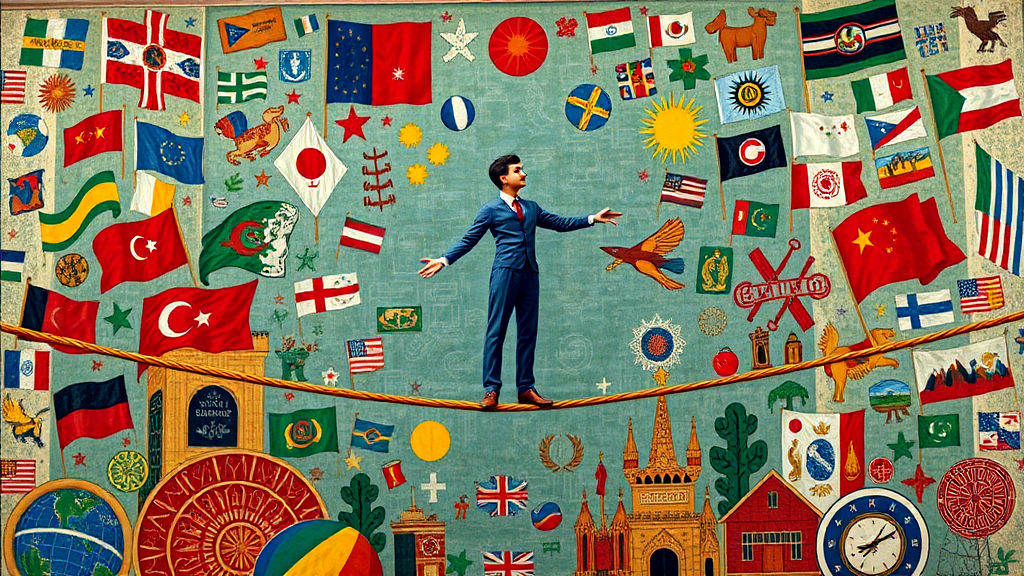
Recognizing cultural differences in translation can be like walking a tightrope. Missteps can lead to misunderstandings. Social norms and folkways change over time, making this task trickier. I remember a time when I used a gesture common in the United States. It was welcome there, but elsewhere? It was considered taboo, raising eyebrows instead of smiles.
Translators need a keen awareness of what’s considered rude or offensive in different cultures. Imagine using a thumbs-up in the wrong place—it can cause more harm than good. It’s a bit like playing a game where the rules change depending on who’s watching.
Here’s where cultural competence steps in. It’s your best friend, helping you navigate these waters with grace. Consistency remains key, despite social norms evolving. In some regions, informal social control can dictate behavior more than formal rules.
Legal translation adds another layer. Cultural differences in legal systems can make or break a case. I’ve learned that you can’t rely solely on tech. You need a human touch to catch those nuances.
Training programs focusing on cultural competence are invaluable. They prepare us for future challenges in multilingual markets. The journey isn’t just about words; it’s about understanding people. And that’s what makes translation both an art and a science.
- Understand how cultural differences impact translation.
- Recognize the importance of cultural competence.
- Be aware of gestures considered taboo or rude.
- Adapt to evolving social norms.
- Manage informal social control influences.
- Focus on cultural nuances in legal translation.
- Combine technology with human oversight.
- Engage in cultural competence training.

Navigating Cultural Nuances in Language Translation
Recognizing cultural subtleties in translation is like dancing on a tightrope. It’s all about balance. If I misstep, I might offend someone or skew the message. Different cultures have unique social norms that shape what’s acceptable and what’s considered taboo. A gesture as simple as a thumbs-up, which is positive in the United States, might be considered rude elsewhere. That’s where cultural competence comes into play. It helps me navigate these tricky waters, ensuring I don’t miss a beat.
The art of translation requires understanding that what’s accepted in one culture might not fly in another. Folkways and mores are the invisible threads weaving through a society, guiding behavior. These threads can change over time and vary between social groups. So, I must stay on my toes, adapting to these shifts while maintaining clarity and respect.
Moreover, informal social control, the unwritten rules that govern our interactions, adds another layer of complexity. These norms can be as binding as formal laws, demanding a nuanced approach. A successful translation isn’t just about words; it’s about capturing the essence of the message, respecting the cultural tapestry it’s woven into. For those interested, the team at Creative Commons explores how cultural shifts impact communication here.
Strategies for Maintaining Translation Consistency Across Projects
Maintaining consistency in translation across projects can be quite a juggling act. To keep everything aligned, I lean heavily on cultural competence. This means understanding the cultural context of my audience and adapting accordingly. It’s like being a cultural chameleon; I need to blend in without losing my own colors.
One approach is to create a translation guide or glossary. This ensures that key terms and phrases remain consistent throughout the project. It’s my safety net, preventing me from veering off course. When dealing with cultural nuances, like those in the United States, I must remember that some things might be considered taboo or even rude elsewhere.
I also rely on feedback loops. Regular check-ins with native speakers help me catch any cultural faux pas or awkward phrasing. They provide informal social control, guiding me away from potential pitfalls.
Technology assists, but I never let it replace human insight. Tools can help maintain translation consistency, but they often overlook cultural subtleties. That’s why human oversight is crucial. After all, translating is more than just swapping words; it’s about respecting the cultural essence.
It’s a continuous learning journey. Every project I tackle deepens my understanding of cultural dynamics. And while guidelines provide structure, it’s my adaptability and cultural competence that truly ensure success. Just like a well-oiled machine, each element must function in harmony, ensuring that the final message resonates across diverse cultural landscapes.
For those curious about cultural norms and informal social control, the team over at Canada’s Public Health offers insights.

Overcoming Technical Challenges in Specialized Translation Fields
Addressing the hurdles in specialized translation fields can be a real head-scratcher. You need more than just language skills; you need a deep understanding of cultural competence. Ever try explaining U.S. idioms to someone from another culture? It’s like teaching a cat to fetch! The trick is blending technical know-how with cultural awareness, ensuring every message hits the mark without a hiccup.
I’ve seen how social norms can throw a curveball. In the United States, a thumbs-up is friendly, but elsewhere, it might be considered rude. Can you imagine the chaos in translation without cultural insights?
By focusing on cultural competence, I ensure accuracy and cultural sensitivity. This isn’t just a job; it’s a dance where every step matters.
Here’s how I tackle these challenges:
- I immerse myself in the target culture, absorbing norms and values.
- I collaborate with local experts to refine translations.
- I constantly update my knowledge to reflect cultural shifts.
- I maintain a glossary of culturally sensitive terms and phrases.
- I leverage technology for accuracy but rely on human judgment.
- I test translations with native speakers for feedback.
- I adapt strategies based on audience preferences.
- I prioritize clarity over literal translation.
| Technical Challenge | Translation Field | Impact | Solution |
|---|---|---|---|
| Cultural Nuances | Legal Translation | Misinterpretation | Cultural Competence |
| Jargon | Medical Translation | Confusion | Expert Collaboration |
| Idiomatic Expressions | Literary Translation | Miscommunication | Local Expertise |
| Changing Norms | Marketing Translation | Relevance Loss | Regular Updates |
| Legal Differences | Legal Translation | Compliance Issues | Local Consultation |
Legal Considerations in International Translation Practices
Addressing the legal aspects of translation in international contexts requires understanding diverse legal systems. Translators must grasp local laws, which differ greatly worldwide. Imagine translating a contract for a company in the United States; knowledge of the local regulations is crucial. Ignoring such factors can render translations useless or even legally risky.
Language is more than words; it’s about cultural competence. Legal documents often contain language steeped in local customs. This isn’t just jargon; it’s cultural fabric. Without this, you risk not just errors but major misunderstandings. For instance, a phrase that’s benign in one culture might be considered rude elsewhere.
When handling legal documents, the importance of cultural competence cannot be overstated. Legal terms may have no direct equivalent in another language, but understanding cultural context aids in finding the closest match. This requires more than linguistic skill; it demands cultural intelligence.
Social norms play a pivotal role here, too. A term that’s acceptable in one place might be frowned upon in another. An adept translator knows these subtleties, staying clear of potential minefields. After all, a single misstep could lead to costly implications.
In essence, translation is a tightrope walk across cultural chasms. It’s about balancing precision with cultural nuances, ensuring that the final product doesn’t just translate words but communicates meaning.
The Role of Technology in Modern Translation Practices
Modern translation relies heavily on technology. It aids in maintaining accuracy and consistency. However, these tools can sometimes overlook cultural nuances. That’s where human oversight becomes indispensable.
Cultural competence bridges the gap between mere translation and meaningful communication. It ensures that translations resonate with the target audience. Did you know that gestures like a thumbs-up might be interpreted differently across cultures? This highlights the importance of understanding social norms to avoid being considered rude or inappropriate.
Let’s face it; technology can’t adapt to every cultural nuance by itself. For instance, technology might translate words accurately but miss subtle idiomatic expressions. It can’t grasp the emotional context or cultural undertones.
Moreover, tools like machine translation often require human intervention to finesse the output. Cultural competence comes into play here, ensuring that the message conveyed retains its original essence. It also helps in identifying when something might be considered rude or offensive, thus safeguarding against potential pitfalls.
As I navigate this technological maze, I realize the importance of balancing tech efficiency with human intuition. The perfect mix ensures translations are both accurate and culturally appropriate. After all, technology is a useful ally, but it can’t replace the human touch needed for culturally sensitive translation.
Ethical Challenges in Translation and Localization
In the world of translation, ethical dilemmas frequently rear their heads. Cultural competence is at the heart of these challenges. It’s like walking a tightrope, balancing between staying true to the original text and making it relatable to the new audience. I often wonder, how do I ensure that the message is culturally appropriate without perpetuating stereotypes?
Some days, it feels like a high-wire act. There’s always the risk of offending someone or being accused of bias. It’s crucial to identify potential pitfalls that could arise from unfamiliar cultural norms. This is especially tricky when translating idiomatic expressions, as they carry cultural weight.
I once faced a situation where a seemingly harmless expression turned out to have offensive connotations in another language. Talk about learning the hard way! In such moments, cultural competence saves the day, allowing me to navigate these murky waters.
Then there’s the challenge of maintaining neutrality. Sometimes, translations can inadvertently take on political or social biases. The trick is to ensure the translation respects the original intent while not taking sides. It’s a delicate balance, one that requires a keen understanding of the cultural context.
In conclusion, facing these ethical dilemmas in translation isn’t for the faint-hearted. It demands constant vigilance and sensitivity.
Training Programs for Aspiring Professional Translators
Aspiring translators need programs that focus on mastering cultural challenges. Training teaches us to tackle complex cultural contexts in translation. I once joined a program where we dove into the depths of cultural competence, which shaped my understanding immensely. Translators use these skills to navigate cultural landscapes and make translations relevant.
Programs emphasize understanding diverse cultures alongside language skills. This dual focus ensures we grasp cultural nuances and avoid missteps. I remember a fellow student who used humor as a tool to connect, but it backfired in a different culture. Training experiences like this highlight the significance of cultural competence.
Hands-on workshops and real-world scenarios are invaluable. They offer practice in recognizing cultural subtleties. I once had to translate a document with idioms that made little sense in another culture. It was a brain teaser, but such experiences are eye-openers for translators.
The role of cultural competence in translation can’t be overstated. Programs instill this by offering immersive experiences, like visiting diverse communities. These encounters underscore how translators shape messages for varied audiences. A friend of mine shared how an internship in another country enriched her understanding, broadening her translation skills.
In our field, cultural competence is the secret sauce. It’s the magic ingredient that makes translations resonate across cultures. Without it, the message is lost in translation.
The Future of Multilingual Communication in Global Markets
The evolution of multilingual interactions in international markets hinges on translation and cultural understanding. My experience tells me that cultural competence is the cornerstone of meaningful translation. It’s like adding spice to a dish, making it palatably universal. Without it, translations often fall flat, missing the intended impact.
- Cultural competence fosters a deeper connection with diverse audiences. It ensures messages aren’t just translated but felt.
- Embracing cultural diversity enhances trust. People appreciate when brands acknowledge their unique cultural backgrounds.
- Translation technology is advancing, yet it lacks the soul of cultural competence. Human touch remains irreplaceable in capturing cultural subtleties.
- Legal translations demand cultural insights. Each country has quirks in law and language, requiring careful navigation.
- Missteps in cultural nuances can lead to misunderstandings. I remember a project that misinterpreted a local proverb, causing confusion and giggles.
- Training programs that emphasize cultural competence are crucial. They prepare translators for the world beyond words, into the realm of culture.
- Ethical dilemmas arise when cultural assumptions are incorrect. Translators must tread carefully to avoid perpetuating stereotypes.
- As translation evolves, so does the demand for cultural intelligence. Recognizing this, scholars like M. Gelfand have explored cultural intersections in diverse contexts (read more).
Conclusion
In the end, understanding cultural differences is like having a translation toolkit. It helps bridge the gap between languages and cultures. Picture this: translating without cultural awareness is like trying to cook without spices—bland and ineffective. I find that keeping cultural nuances in mind makes translations vibrant and relatable.
As I look to the future, the need for multilingual communication will grow. The more culturally aware we are, the better we connect with global audiences. This isn’t just about words; it’s about creating meaning that resonates. As a translator, I see this as both a challenge and an exciting adventure. Let’s embrace these differences and make each translation a masterpiece.
FAQ
- How do cultural differences impact translation?
Cultural differences can make or break a translation. Imagine trying to translate a joke that relies on cultural context. It would fall flat without understanding the nuance. Folkways and mores vary, affecting how messages are received. A word or gesture in one culture might be taboo in another. So, translators must be culturally savvy to avoid mishaps.
- Are there any strategies to maintain translation consistency?
Yes, there are! Consistency hinges on understanding the cultural context and dynamic societal norms. Translators should keep up with changes in language use across cultures. Familiarity with the target audience is key. A translator should also make use of style guides and glossaries.
- What challenges exist in technical translation?
Technical translation isn’t just about words. It’s about understanding unique terminologies and idiomatic expressions. Imagine translating a medical term that’s non-existent in another language. You need cultural expertise to bridge this gap, ensuring accuracy. Misinterpretation could lead to serious consequences.
- What are the legal considerations in translation?
Legal translation is a minefield of cultural differences. Different legal systems and practices across countries require deep understanding. Think of it as a dance where one wrong step could lead to a faux pas. Translators must be aware of local laws and regulations to provide precise translations.
- How does technology play a role in translation?
Technology is a double-edged sword in translation. It offers tools for accuracy and consistency, but it can’t replace the human touch. Cultural nuances can be easily missed by machines. Human oversight ensures translations are not just accurate but also culturally relevant.