
Bridging Language Gaps with Precision and Insight
Effective translations are crafted through a blend of machine precision and human expertise. This perfect mix makes sure translations hit the mark with cultural nuances. People often underestimate how much human translators bring to the table. They catch the subtleties that machine translation software might miss.
Imagine trying to translate a joke without human insight—it might fall flat. That’s where human translation shines. It’s the key to bridging language gaps with precision. Machines, like artificial intelligence, offer speed and efficiency. But, they can’t replace human intelligence. The collaboration between these power structures ensures translations resonate on a deeper level.
In the end, it’s about finding balance. Embracing both human and machine strengths leads to more authentic communication.
Key Takeaways
- People often overlook how much human translation adds value to communication.
- Machine learning can’t grasp cultural nuances like human translators can.
- Human intelligence ensures translations resonate emotionally and culturally.
- Machine translation software offers speed, but lacks human insight.
- The blend of AI and human translation creates a balanced power structure.
Adapting Language Services to Diverse Cultural Needs
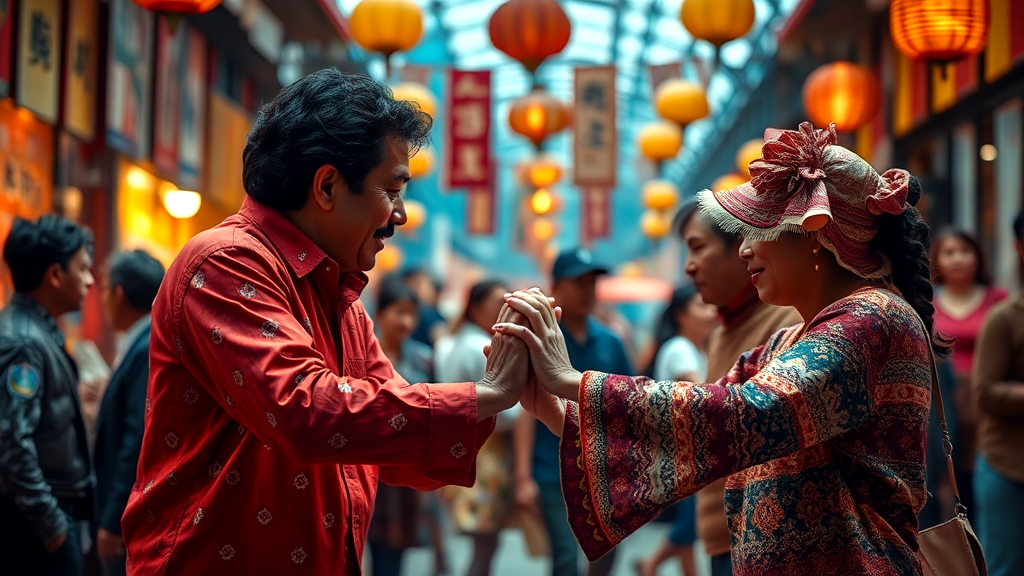
Navigating cultural diversity in language services requires a nuanced approach. I find that blending human translation expertise with machine translation software creates a powerful synergy. People bring emotional intelligence, while technology offers rapid processing. This fusion ensures that translations hit the right notes across varied cultural landscapes.
It’s like balancing on a tightrope, where precision meets creativity. Human translators catch idioms and cultural quirks, which machine learning might overlook. People often say, “Actions speak louder than words,” but in my experience, words carry the weight of understanding. By integrating machine translation, you can achieve faster turnarounds without sacrificing quality. This partnership transforms a monotonous task into an independent life of creativity.
Interestingly, the power structure in translation services often hinges on the right mix of technology and human intelligence. I’ve seen firsthand how people leverage artificial intelligence to streamline workloads. Yet, they remain vigilant, ensuring that the human touch prevails. This balance maintains the integrity and emotional resonance of each project.
Speaking of balance, addressing cultural needs goes beyond mere translation. It’s like cooking a dish that pleases a diverse palate. Imagine seasoning a dish just right; too much of one spice can ruin it. The same applies to translation—cultural nuances are your spices. You must sprinkle them in just the right amount for each audience. People who use translation services often notice when something feels off. It’s a testament to how critical cultural relevance is.
Machine translation can handle the bulk, but the final polish requires human translation. This final touch ensures that the translation doesn’t just make sense, but also feels right. It’s about creating connections through words, building bridges, not walls. In this sense, human intelligence plays a pivotal role. It’s about understanding the subtle undercurrents of language that machines cannot grasp entirely.
For businesses, the stakes are high. Misinterpreting cultural signals can lead to more than just lost sales. It can erode trust. People want to feel seen and understood, and I believe language is the key. A well-crafted translation can convey respect and understanding. This is why I stress the importance of blending technology with the human element.
In my experience, the most successful language services are those that embrace both innovation and empathy. They respect the power structure of human insight over pure machine efficiency. As someone who has worked in this field, I see the future not as a choice between artificial intelligence and human skills, but as a partnership. It’s about using the best of both worlds to create translations that resonate deeply.
Ultimately, adapting language services to meet diverse cultural needs is a journey, not a destination. It requires constant learning and adaptation. Just like people, languages evolve. And as they do, I’m excited to see how technology and human translation will continue to shape this evolving narrative.
Innovations in Translation Technology and Its Impact
Exploring breakthroughs in translation technology reveals an evolving relationship between AI and human intelligence. People often ask whether machine translation software can effectively replace human translation. My take? Not quite yet. While machine learning and artificial intelligence offer impressive speed and consistency, these tools frequently miss the emotional depth and cultural nuances that people value. Machine translation excels at processing vast amounts of text, but it often lacks the subtlety that human translation provides.
I’ve noticed that people tend to trust translations more when there’s a human touch involved. This is where the power structure between artificial intelligence and human insight becomes evident. In situations demanding precision and cultural sensitivity, human intelligence remains crucial. The nuances in language, which can vary dramatically between cultures, are something AI often struggles to fully grasp. That’s why I see the future as a harmonious blend of machine efficiency and human creativity.
In practice, this means human translators collaborating with AI systems to enhance translation quality. People who rely on these services benefit from the combination, as the machine handles repetitive tasks, allowing human translators to focus on context and emotion. This approach not just preserves linguistic integrity but also ensures that translations feel authentic to the reader.
Interestingly, machine translation software has made significant strides in recent years. Yet, its limitations can be glaring, especially in contexts involving emotional or culturally specific content. I’ve heard stories from people who received machine-generated translations that missed the mark, sometimes leading to misunderstandings or even offense.
AI’s role in translation is like a double-edged sword. While it provides a way to manage large volumes of text, it also risks overlooking critical cultural nuances. This is where human translation steps in, acting as a safety net to catch those subtleties that machines might miss. For instance, a joke shared among friends in one language may not translate well into another. Here, the human translator’s insight is invaluable.
The power structure within translation services is shifting. AI tools are not here to replace people but to complement their abilities. This collaboration allows people to focus on what they do best: understanding context and ensuring that translations resonate on a personal level. It’s this synergy that brings out the best of both worlds.
I’ve seen how this approach empowers people to communicate across cultures more effectively. It allows them to maintain control over their message, ensuring that it aligns with their intentions and cultural context. As translation technology continues to advance, the goal should be more than just translating words. It’s about conveying meaning and emotion, bridging gaps across different cultures.
The integration of machine learning into translation services promises to reshape how we think about communication. People are increasingly aware of the importance of maintaining cultural integrity in translations. As this awareness grows, so does the demand for a balanced approach that incorporates both machine and human elements.
In my experience, the best outcomes arise when people are not just passive recipients of technology but active participants in the translation process. This partnership promotes independent life and facilitates more meaningful interactions across cultural boundaries. The future of translation lies in the hands of those who can harness both technology and human judgment to deliver authentic, impactful translations.
Understanding the Role of Human Translators in AI Era
Peering into how human translators fit into AI’s grand scheme reveals a fascinating interplay. While machine translation software can rapidly convert text, it often misses cultural subtleties. This is where human translation shines, as people possess an innate understanding of these nuances. It’s like the difference between a robotic handshake and a warm hug.
I find that people give translations the emotional depth that artificial intelligence cannot. For instance, marketing campaigns need more than just words; they need to resonate. Here, human translators ensure cultural relevance, crafting messages that touch hearts and minds. They don’t just translate; they transform the message to fit the audience’s cultural context.
The power structure between AI and human translation services is quite dynamic. While AI handles repetitive and straightforward tasks, the human element deals with complexities. This collaboration ensures accuracy and emotional engagement. It’s a bit like having a smart assistant who does the heavy lifting, while you add the personal touch.
Within this power structure, people maintain control over the more sensitive aspects of translation. This balance allows for a seamless integration of human intuition and machine efficiency. It’s like a dance where each partner knows their role and complements the other perfectly. This synergy is crucial, especially in sectors like literature or advertising, where emotion is key.
Machine learning continues to evolve, but it still lacks the human touch in translation. People bring life and personality, which machines can’t replicate. It’s like comparing a computer-generated tune to a live orchestra. Humans add the layers of meaning and feeling that are essential.
Moreover, the role of human translators is not limited to just language conversion. They are cultural ambassadors, bridging gaps between diverse cultures. They enable independent life for many, helping people access information in their native languages. This extends beyond simple translation; it’s about empowerment and inclusivity.
Artificial intelligence, meanwhile, serves as an invaluable tool, speeding up processes and managing vast amounts of data. However, without human oversight, AI’s translations can miss the mark. This oversight is needed to ensure translations are not just accurate but also meaningful.
The collaboration between AI and human translation opens new doors for global communication. It fosters understanding in a world that’s increasingly interconnected. As I see it, this blend of technology and humanity is essential for navigating the complexities of cross-cultural communication.
By blending AI’s capabilities with human insight, we can achieve translations that are both efficient and emotionally resonant. It’s a partnership that leverages the strengths of both parties, ensuring that translations are not just about words but also about connecting people.
In this ever-evolving field, the future looks bright. By embracing both technology and human expertise, we can continue to improve the way we communicate across languages and cultures. It’s an exciting time to be part of this transformative journey, where both human translators and AI have pivotal roles to play. This is truly a harmonious convergence of machine learning with the irreplaceable human touch.
Ethical Considerations in Automated Translation Systems
Addressing ethical questions in automated translation isn’t just about technology. It’s about people and how we incorporate machine learning into our lives. I find myself wondering about the data privacy issues tied to machine translation software. If people aren’t careful, personal information could be at risk.
Moreover, there’s the chance of perpetuating biases. Artificial intelligence learns from existing texts, which can contain prejudices. If people don’t intervene, translations can unintentionally reinforce stereotypes. It’s like teaching a parrot some inappropriate phrases—it just repeats what it hears. Thus, people must ensure ethical guidelines are in place to prevent bias.
Human translation plays a crucial role here. While automated systems offer speed, they lack the human touch necessary to catch nuances. I believe this is where human translators shine, providing cultural sensitivity and emotional insight. Collaboration between people and technology is a must for ethical and accurate translations.
Power structures in society can also influence translation. Who decides what’s translated and how? That’s a big question. There are historically dominant languages that often dictate translation priorities, potentially sidelining less common languages. This can affect cultural preservation and representation. Therefore, people should advocate for inclusive translation practices, giving equal importance to all languages.
Another fascinating aspect is how independent life is shaped by language access. Imagine living in a world where you can’t understand essential information because it’s not translated into your language. It’s a barrier to independence. Translation can be a bridge, but we need to ensure it’s built ethically and responsibly.
The power structure in translation is not just about language dominance. It’s also about who controls the technology. Large corporations often hold the reins, which can lead to a focus on profit over ethical concerns. People in the industry should push for transparency and accountability.
Human translation can counteract some of these issues, providing checks and balances to machine translation software. This partnership can lead to fairer, more accurate translations that respect every culture and language. It’s about finding the right balance between speed and sensitivity, between machine learning and human insight.
In my view, as we navigate these ethical waters, it’s like walking a tightrope. We need to find the right balance to ensure translations are not just fast or accurate, but also fair and respectful. People, whether translators or users, have a responsibility to demand ethical practices in translation technologies.
It’s clear to me that human translation remains indispensable. People should remember that technology is a tool, not a replacement for human judgment. As we integrate automated systems into translation, we must be vigilant. We must steer these technologies responsibly, ensuring they serve people, not the other way around.
This journey isn’t just about technology—it’s about values. It’s about building a future where language barriers are broken without compromising ethics. In the end, it’s about creating a world where everyone, regardless of language, can communicate freely and fairly. And I think that’s worth striving for.
Challenges and Opportunities in Cross-Cultural Communication
Navigating the complexities of language barriers in a globalized world presents unique hurdles and prospects. While machine translation software, powered by artificial intelligence and machine learning, offers speed and efficiency, it sometimes falters in grasping cultural nuances. That’s where the human touch becomes invaluable. Human translation, with its deep understanding of emotional and contextual subtleties, ensures that the essence of a message isn’t lost in digital translation.
Incorporating human translators alongside AI creates a powerful structure that bridges gaps more effectively. This synergy allows businesses to communicate with people worldwide in ways that are both precise and culturally attuned. It’s like having a seasoned guide who knows the lay of the linguistic land, ensuring every word hits the mark. However, striking this balance isn’t always a walk in the park. The challenge lies in integrating AI systems that respect cultural contexts without losing the efficiency they promise.
For instance, I often find myself pondering how much we rely on technology to interpret our world. While it offers an independent life from traditional translation methods, it also raises questions about its limitations. How do we ensure that people are not just heard but understood? The answer often lies in the collaboration between humans and technology, each compensating for the other’s shortcomings.
Consider the diverse needs of businesses aiming to tap into international markets. They must adapt their communication strategies to cater to different cultural sensibilities. Here, the role of human translators, working alongside AI, becomes critical. By understanding both linguistic and cultural intricacies, they can create content that resonates with diverse audiences. This approach not just improves communication but also fosters trust and engagement.
Moreover, translation plays a pivotal role in breaking power structures that language barriers often create. When people communicate effectively across languages, they dismantle hierarchies that might otherwise limit collaboration. For organizations, this means rethinking their strategies and leveraging translation as a tool for empowerment. It’s about creating a level playing field where everyone can participate equally, regardless of the language they speak.
As I’ve observed, the future of translation will likely see more innovative collaborations between technology and human expertise. It’s crucial to stay informed about developments in this space. For those interested, Harvard Business Review frequently shares insights on how businesses can adapt to these changes here.
In this ever-evolving field, the challenge is not just technological but also ethical. With the growing reliance on automated systems, concerns about data privacy and bias in translations are real. People need to advocate for ethical standards that ensure technology serves everyone fairly. It’s a delicate dance between embracing innovation and safeguarding human values.
In conclusion, while translation technologies continue to advance, the human element remains irreplaceable. The collaboration between AI and human translators is not just a trend—it’s a necessity. Together, they transform challenges into opportunities, ensuring that communication across cultures is not just possible but profoundly meaningful.
Strategies for Effective Multilingual Content Localization
Crafting strategies for translating multilingual content into a masterpiece requires more than just direct word swapping. First, I always remember the importance of cultural nuances. It’s like hosting a dinner party for folks from different backgrounds—you need to know what makes each guest feel welcome. This means blending local idioms with universal themes. People connect better when content feels native.
Next up, incorporating power structures into translation is crucial. It’s a bit like learning to dance—you need to understand who leads and who follows. Respect for hierarchical differences in language use can make or break the reception of your content. This is where human translation shines. People get a sense of the subtleties that machine learning might overlook.
Consistency is another biggie. Imagine if every episode of your favorite show had different actors playing the same character. Confusing, right? The same goes for translation. Keeping terminology uniform across all content builds trust with your audience. They’ll feel like they’re dealing with a professional who knows their stuff.
Having a robust review process is non-negotiable. It’s like proofreading an essay before submission. A second pair of eyes, especially from a native speaker, ensures that language and cultural nuances are preserved. This step is where independent life thrives, allowing each piece of content to stand on its own merit.
Leverage the capabilities of machine translation software, but don’t lean on it entirely. Like a seasoned chef using a blender, it’s a tool, not the whole recipe. While artificial intelligence can handle bulk and speed, the real magic happens with human translation. It’s the secret ingredient that adds emotional depth and cultural sensitivity.
People are the heart of effective localization. Engaging with local experts or influencers can provide insights you won’t find in textbooks. They bring real-world experience, much like a tour guide showing hidden gems in a city. This input can steer your content in the right direction.
Then there’s the audience feedback loop. Think of it as a GPS recalculating your route. Listening to what people say about your translated content can guide future projects. It’s a chance to refine and perfect your approach, ensuring each piece resonates more deeply.
Finally, consider the context of machine learning in your translation strategy. It’s not just tech for the sake of tech. It should enhance the workflow, streamline processes, and allow people to focus on what they do best—injecting human touch. Translation isn’t just words—it’s a bridge, a handshake across cultures.
Incorporating these strategies can make your multilingual content shine like a well-polished gem, reflecting authenticity and respect. It’s not just about speaking the same language but truly understanding one another. In this interconnected world, such efforts are not just appreciated—they’re essential for success.
Leveraging Translation Data for Market Expansion and Growth
The art of leveraging data from translation services is like finding a treasure map for market growth. It reveals valuable insights into linguistic trends and cultural sensitivities, paving the way for businesses to penetrate new markets effectively. By analyzing translation data, I can identify language patterns that resonate with specific audiences. This allows me to customize marketing campaigns that speak directly to people’s hearts and minds. It’s about creating connections that go beyond mere words.
When I dive into the realm of translation, I’m not just looking at words. I’m exploring the cultural nuances and preferences that shape people’s perceptions. This information arms me with the knowledge to craft messages that click with diverse groups. It’s a strategy that transforms linguistic barriers into bridges of understanding and empathy. The power of translation extends far beyond communication—it’s a tool for business expansion and cultural connection.
I’m also fascinated by the possibilities that machine translation software brings to the table. It offers speed and convenience, allowing me to process large volumes of text quickly. But here’s the catch: while machines are great at crunching numbers, they often miss the subtleties that make communication truly human. That’s where human translation comes in. It adds the warmth, context, and creativity that machines lack, creating a blend of efficiency and emotional depth.
Incorporating translation insights into business strategies isn’t just about translating text. It’s about understanding the power structure of language. Different cultures have unique ways of expressing authority and respect, which can vary significantly. Recognizing these differences allows me to tailor messages that resonate with people’s values and social norms. It’s a delicate dance of words that requires awareness and sensitivity.
The integration of artificial intelligence in translation is a game-changer. While AI can handle repetitive tasks, it lacks the human touch that’s essential for meaningful communication. I see it as a partner, not a replacement. By combining AI’s strengths with the intuition of human translators, I can achieve a balance that maximizes both efficiency and authenticity. This partnership ensures that the final product isn’t just accurate, but also engaging and relatable.
In a world where people are constantly on the move, translation can empower them to lead an independent life. It’s not just about breaking language barriers; it’s about opening doors to opportunities and experiences. Whether it’s traveling to new places, exploring different cultures, or conducting business on a global scale, language plays a crucial role.
But let’s not forget the ethical implications. Using translation technologies responsibly is a must. Data privacy and bias are concerns that I take seriously. Ensuring that translations are accurate and fair means implementing safeguards and ethical guidelines. It’s about protecting people’s rights and ensuring that all voices are heard equally.
Ultimately, translation is more than a tool—it’s a connection. By leveraging data, embracing technology, and respecting human insights, I can create bridges that unite people across borders. It’s a journey of discovery, one that holds the promise of growth and collaboration. And as I continue to explore this fascinating field, I remain committed to delivering translations that speak to the heart, mind, and spirit of every audience.
Enhancing Global Collaboration through Language Proficiency
Language expertise plays a crucial role in boosting global cooperation. With artificial intelligence and human translation working hand in hand, we break language barriers for seamless international dialogue. Imagine me trying to navigate a foreign market without the right communication tools—it’s like trying to dance without music! By combining the precision of AI with the cultural wisdom of human translators, we can ensure our messages resonate deeply with people across the world.
People often think technology alone can solve all problems. But, let’s face it, machines lack the heart and soul that human translation brings. The cultural nuances and emotional depth that people understand are often lost on algorithms. It’s like expecting a robot to laugh at your jokes—not gonna happen! We need the human touch to keep things genuine.
Speaking of genuine, there’s a fascinating power structure at play here. AI offers speed and efficiency, but human translators provide the emotional intelligence needed to truly connect. It’s a bit like a superhero duo—each with unique skills, yet unbeatable together. This blend ensures that translations maintain their authenticity and cultural relevance, which is especially important in marketing and storytelling.
Now, about the challenges of translation—it’s not all rainbows and unicorns. There’s the ever-present issue of bias in AI translation systems. Sure, artificial intelligence is smart, but it can also be as biased as a reality TV judge. This is why I advocate for responsible practices, ensuring fairness and privacy are top priorities. After all, keeping people’s data safe and ensuring unbiased translations is a responsibility we can’t ignore.
Even with these hurdles, the opportunities in cross-cultural exchange are immense. Think about it: the more we understand each other’s languages, the more we can learn from one another. It’s like opening a book to a whole new chapter—the potential for growth is endless. By using translation data wisely, businesses can expand their reach and engage more meaningfully with diverse audiences.
Another interesting aspect is how language services adapt to different cultures. AI is great at processing, but it’s the human translators who infuse content with cultural insights. It’s a bit like seasoning a dish—without the right spices, it just doesn’t taste right. This synergy ensures that content not just reaches, but resonates across cultures.
Now, let’s touch on the future of business strategies. Integrating translation trends into our plans is crucial for staying competitive. Embracing the latest technologies while maintaining human insight is like having your cake and eating it too. By doing this, we create a more connected global marketplace where people can thrive.
Lastly, in international business, communication is key. The collaboration of AI and human translation services ensures clarity and precision, reducing any risk of misunderstandings. It’s like having a trusty map on an expedition—essential for navigating unfamiliar territories. And as we look towards the future, I remain committed to bridging these linguistic gaps, making the world a bit smaller and a lot more connected.
Integrating Translation Trends into Business Strategies
Integrating current trends in translation within business strategies can feel like juggling flaming swords. I know firsthand that keeping up with fast-paced changes and adopting them effectively is no small feat. New translation technologies pop up like mushrooms after rain, and while AI is fast, the human element is irreplaceable. Many people believe that machine learning can eventually do it all, but I’m not convinced. The human translation aspect remains crucial for grasping cultural nuances that machines often miss.
Incorporating human translation within business plans ensures that the message resonates with different cultures. People are at the core of every business, and they need content that not just informs but connects. A power structure that relies on both machine efficiency and human intuition can create meaningful communication. I find that this blend helps businesses reach audiences on a human level, not just a transactional one.
The charm of human translation lies in its ability to bring warmth and depth, painting pictures with words that machines can’t replicate. This blend of technology and human insight allows people to live an independent life without linguistic barriers. It’s as if businesses are bilingual, speaking both the language of data and the language of the heart. This versatility is key when engaging with global audiences.
I’ve noticed that trends in translation can be a gold mine for insights into consumer behavior. Analyzing translation data reveals patterns and preferences that I can weave into marketing strategies. This knowledge informs decisions, turning mere leads into loyal customers. It’s like having a crystal ball that shows how people interact with language.
Power structures in business are shifting, with a growing emphasis on personalized communication. Translation technology, coupled with human expertise, creates a direct line to the consumer’s heart. I’ve seen this approach build trust, fostering relationships that go beyond mere transactions. People respond positively to content that feels tailored just for them.
I’ve found that seamless integration of translation trends requires more than just technology. It demands an understanding of cultural contexts and emotional cues. This is where human translators shine, adding layers of meaning that transcend mere words. It’s like a symphony where each note is perfectly placed for maximum impact.
People often overlook the importance of ethical considerations in translation technology. Ensuring data privacy and reducing biases is crucial in maintaining trust. I’m committed to using translation tools responsibly, ensuring that they serve as bridges, not barriers. This commitment to ethics enhances the integrity and credibility of any business strategy.
Navigating these waters requires a delicate balance, but the rewards are immense. Businesses that successfully integrate these trends gain a competitive edge, opening new markets and opportunities. I’ve witnessed how this strategic approach transforms communication from a mundane task into a dynamic force for growth.
In conclusion, embracing these translation trends is not just about keeping pace with change. It’s about creating a dialogue that speaks to the soul, turning strangers into friends and transactions into relationships. Through the lens of translation, I see a world where language barriers crumble, paving the way for richer, more meaningful connections.
Navigating Language Barriers in International Business Transactions
Avoiding language barriers in international business transactions requires nimbleness. I’ve seen how the power of translation, both human and AI, can turn a#