
AI is great for efficiency but needs human expertise
Navigating the world of translation today feels like walking a tightrope. On one side, machine translation and AI-powered tools offer speed and efficiency. On the other, human expertise ensures we don’t lose the nuances of language. This balance is crucial. AI-powered translation services are fast and cost-effective. Yet, they lack the cultural sensitivity that human translators bring. Imagine translating a joke into Vietnamese without understanding the culture. It might not land well! Professional translation services blend both worlds. They use machine translation software but refine it with human translation insights. This collaboration makes the translation process smoother and more accurate. In the end, the goal is clear communication across borders.
Key Takeaways
- AI-powered translation services offer speed but lack cultural sensitivity.
- Human translators ensure cultural relevance and accuracy in translations.
- Combining AI and human expertise provides the best results.
- The cost of translation services varies with language complexity.
- Legal oversight in AI translations is essential to maintain standards.
Benefits of AI-Powered Tools
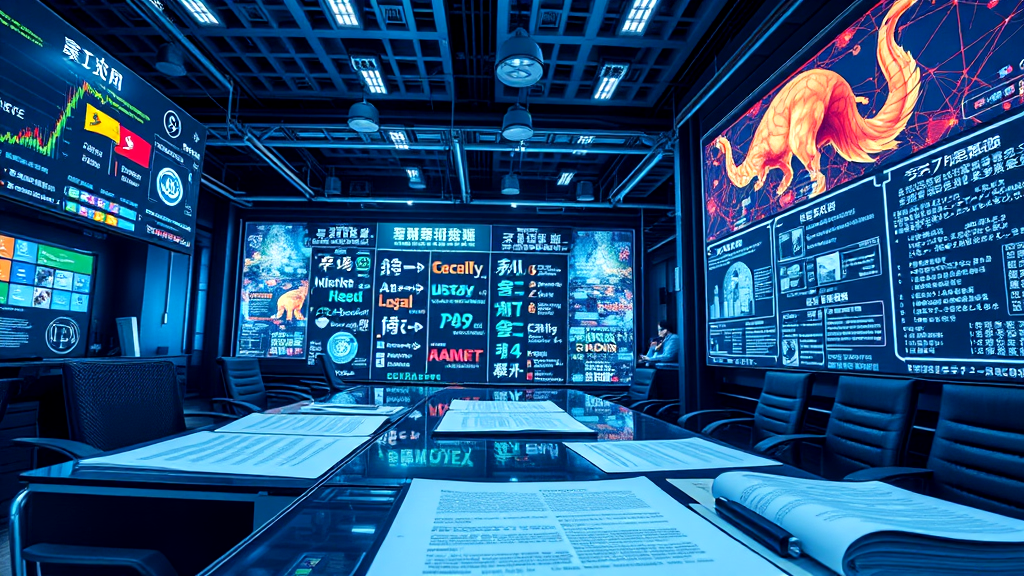
Exploring the advantages of AI-driven translation tools, I find that these tools can process large data volumes swiftly, making them indispensable for businesses aiming to break linguistic barriers. However, the real magic happens when human translators add their touch. They bring the much-needed cultural context, ensuring translations are not just accurate but also relatable. By blending machine translation methods with human expertise, we get the best of both worlds. For instance, video translation benefits immensely from AI’s speed and human insight. These collaborative efforts make the translation process more efficient and effective, keeping translation services cost manageable.
| AI Benefits | Vietnamese Applications | Human Role | Cost Efficiency |
|---|---|---|---|
| Fast Processing | Expands accessibility | Cultural insights | Lowers costs |
| Scalability | Reaches wide audience | Ensures accuracy | Adjusts with context |
| Data Handling | Breaks language barriers | Adds context | Affordable solutions |
| Global Reach | Facilitates communication | Refines translations | Budget-friendly |
| Efficiency | Enhances understanding | Finalizes content | Cost-effective |
How AI Enhances Quality Control
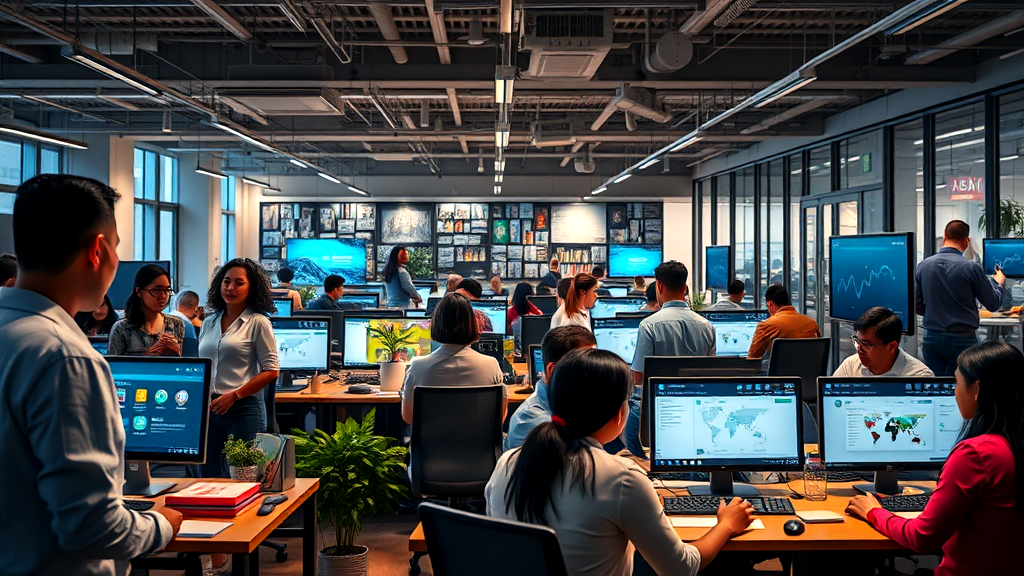
How AI boosts quality control is akin to having an extra pair of eyes. Think of a Vietnamese garment factory where precision is critical. AI-powered translation services ensure not just linguistic accuracy but also cultural relevance, particularly when expanding into new markets. Yet, machine translation methods are just the beginning. Localization teams still need human translation for emotional nuances. Meanwhile, professional translation enhances comprehension in video translation, ensuring every stitch of content fits perfectly. Machine translation software works tirelessly, but human oversight keeps the fabric of communication seamless. Balancing translation tools and human touch is like crafting a tailored suit.

Integrating Human Skills with AI Technology
Fusing human abilities with AI reshapes the translation process. Imagine a Vietnamese film needing video translation. Machine translation provides a swift draft, but human translation adds the flair. The localization teams ensure that cultural nuances aren’t lost in translation. They fine-tune AI’s output, making each line resonate with local audiences.
Here’s the kicker: professional translation isn’t just about swapping words. It’s about making every phrase meaningful. Balancing translation services cost while ensuring quality can be tricky. Yet, globalization and localization demand it, ensuring messages cross borders without losing their soul. AI sets the stage, but human expertise steals the show.

Addressing Cultural Nuances in Marketing Strategies
Navigating cultural subtleties in marketing involves more than just translation. It’s about making sure content feels authentic to the Vietnamese audience. While AI can handle literal translations, human translation is crucial for capturing emotions and societal norms. This balance enhances the message’s impact, ensuring it resonates well. In practice, this looks like localization teams working diligently to maintain cultural integrity. They help align messages with Vietnamese values, fostering trust and engagement. Integrating AI and human efforts in the translation process results in genuinely compelling content, whether it’s for video translation or other media.
| Aspect | Vietnamese Market | Importance | Approach |
|---|---|---|---|
| Language Nuances | High | Critical | Human Translation |
| Cultural Beliefs | Unique | Essential | Localization Teams |
| Humor and Idioms | Complex | Important | Professional Translation |
| Societal Norms | Distinctive | Vital | Globalization and Localization |
Ensuring Accuracy Through Collaborative Efforts
Accuracy in the translation process thrives through joint efforts, especially in Vietnamese contexts. Combining AI precision with human touch enriches translations. Let’s face it, AI can muddle the subtleties of Vietnamese culture. A professional translation team ensures that doesn’t happen. They polish AI’s rough drafts, making them shine. This synergy is like a well-oiled machine, driving globalization and localization efforts smoothly. Localization teams, equipped with cultural knowledge, perfect video translation too. They ensure it speaks the local language, literally and figuratively. For insights on AI’s challenges, this study offers a thorough analysis.
- AI handles initial translation efficiently.
- Human expertise refines cultural nuances.
- Teams ensure relevance in localization.
- Video translations are tailored to local contexts.
- Vietnamese cultural subtleties are preserved.
- Professional translators correct AI errors.
- Collaboration enhances translation quality.
- Joint efforts improve audience engagement.
Financial Considerations for Implementing AI in Translation
Considering the financial aspects of applying AI to translation, Vietnamese poses unique challenges. Costs range from EUR 0.04 to 0.18 per word, which may vary based on language complexity and the context of the content. Machine translation offers cost-efficient advantages, yet human involvement ensures accuracy and cultural sensitivity. Localization teams play a crucial role, ensuring content aligns with local customs. Meanwhile, professional translation is indispensable for maintaining quality and cultural relevance. Balancing AI with human skills in globalization and localization guarantees that translations not just meet, but exceed expectations.
| Aspect | Vietnamese Translation | Cost Range (EUR) | Importance |
|---|---|---|---|
| Language Complexity | High | 0.04 – 0.18 | Critical |
| Machine Translation | Initial Phase | Varies | Essential |
| Localization Teams | Cultural Accuracy | Varies | High |
| Professional Translation | Final Review | Varies | Necessary |
Legal and Ethical Implications of AI Collaboration
Considering the consequences of AI collaboration, human oversight becomes crucial to address potential inaccuracies. In Vietnamese contexts, this becomes even more important due to cultural intricacies. AI tools streamline processes, yet they must adhere to legal standards, requiring careful monitoring. This ensures compliance while maintaining quality across translations. My experience tells me that localization teams play a pivotal role here, ensuring content resonates with local audiences. They bridge the gap between globalization and localization, a delicate balance indeed! Machine translation helps speed up tasks, but without human oversight, it can lead to legal pitfalls, impacting trust and credibility.
| Aspect | Vietnamese Focus | Importance Level | Role |
|---|---|---|---|
| Compliance | Cultural Sensitivity | High | Localization Teams |
| Oversight | Human Review | Critical | Vietnamese Experts |
| Legal Considerations | Industry Standards | Essential | Compliance Specialists |
| Machine Translation | Initial Phase | Moderate | Initial Draft Creation |
| Globalization and Localization | Cultural Integration | High | Localization Teams |
AI and human collaboration is like a dynamic duo in translation. AI brings the speed and cost-efficiency, tackling vast amounts of data with ease. But let’s not forget the human touch! Humans bring intuition and cultural insight that AI currently lacks.
Imagine AI as the speedy hare, and humans as the wise tortoise. Together, they ensure translations that resonate and connect. Keeping this balance is crucial, especially in today’s diverse and ever-connected world.
By working hand-in-hand, AI and human experts deliver translations that are not just accurate, but also culturally rich. This partnership not just makes sense; it’s the key to unlocking the future of translation.
FAQ
- How does AI improve efficiency in translation?
AI speeds up translation by quickly processing large volumes of text. It reduces costs and breaks language barriers, making it easier for businesses to expand globally. But it needs human expertise for context and cultural accuracy.
- What role do humans play in AI-powered translation?
Humans add the personal touch AI lacks. They understand culture, context, and idioms. This makes translations more accurate and relatable. For example, a joke in one language might not translate well without human insight.
- Why is cultural intelligence important in marketing with AI?
Cultural intelligence ensures that content fits local customs and social norms. AI can translate words, but humans ensure the message resonates with the audience. This helps build brand loyalty and connect with diverse markets.
- What are the financial benefits and considerations of using AI in translation?
AI translation is generally cheaper, costing between EUR 0.04 to 0.18 per word. However, complexity and context can affect pricing. Balancing AI and human input achieves quality without overspending.
- Are there any legal or ethical concerns with AI in translation?
Yes, there are significant legal and ethical considerations. Human oversight is crucial to comply with standards and address AI inaccuracies. This ensures translations are accurate and ethically sound.