
Evolution of Translation Systems
Discussing the transformation of translation systems, we’ve moved from manual to automated processes. Early systems were basic, requiring significant human input. Over time, machines began to take on more routine tasks, mirroring the historical shift to cognitive roles. This change in human society highlights the increasing role of automation.
In the modern era, AI plays a significant part in natural language processing. It boosts speed and precision, yet human agency remains essential. We still need human control, particularly for nuanced language like idioms or cultural references. The decision-making process involves balancing human and machine roles effectively.
In the realm of software development, advances are constant. These innovations help in creating more adaptable systems. However, automated decision systems should maintain human oversight to prevent biases and ensure ethical use. The role of human decision-making is crucial, especially as we explore the future of translation technology.
| Period | Key Development | Human Role | Outcome |
|---|---|---|---|
| Early Translation Era | Manual Methods | Primary Input | Slow, labor-intensive process |
| Mid-20th Century | Machine Assistance | Supportive Role | Increased productivity |
| Modern Translation | AI Integration | Oversight and Quality | Enhanced speed and accuracy |
| Future Outlook | Advanced AI Systems | Strategic Management | Potential for greater autonomy |
| Role of Developers | Software Innovations | Human Developers | Improved system adaptability |

Role of AI in Language Processing
The integration of AI in language processing isn’t just a mechanical upgrade—it’s a quantum leap. With AI, translation gets a turbo boost, making it fast and surprisingly accurate. Machines now handle bulk translation tasks, freeing up time for us humans. Yet, some things, like idioms or cultural nuances, still fly over the machine’s head. That’s where my human input steps in, ensuring translations are not just correct but also contextually rich.
Human agency in these systems is like the ace up our sleeve. We guide the AI, tweaking its algorithms when it falters. This partnership changes how we perceive language and its role in our human society. As we step into the future, the interplay between automated decision-making systems and human oversight will shape how language bridges cultures. Below is a table detailing AI’s role in language tasks.
| Aspect | AI’s Role | Human Role | Challenges |
|---|---|---|---|
| Routine Translations | Handles bulk tasks | Provides oversight | Cultural nuances |
| Speed and Efficiency | Enhances processing | Ensures accuracy | Complex language |
| Learning and Adaptation | Learns from data | Refines algorithms | Bias management |
| Decision Systems | Automates decisions | Maintains control | Trust and ethics |
| Future Prospects | Expands capabilities | Guides development | Balancing roles |
Benefits of Machine Translation
When considering the advantages of machine translation, it’s hard to overlook its speed. I mean, who doesn’t love fast solutions? Processing vast text volumes is a breeze. It’s like having a turbo charger for your translation needs. Besides, these systems are constantly learning, aren’t they? They’re like my dog, always picking up new tricks. Yet, they handle more than just simple phrases, they manage varied language pairs too.
- Rapid processing of large text volumes.
- Constant learning and improvement over time.
- Supports various language pairs.
- Reduces manual workload.
- Provides immediate language solutions.
- Useful in global business contexts.
- Handles routine translation tasks.
On the flip side, machine translation lacks the cultural sensitivity a human agency brings. Still, I find it fascinating how automation and human decision systems coexist. It’s a balancing act, like walking a tightrope. The change human society undergoes is profound, with automated decision systems reshaping our world.
Limitations of Automated Systems
Exploring the challenges of automated systems reveals intriguing scenarios, especially in translation. Automated translation often misinterprets context, like an AI chatbot running amok. Remember the Bing AI incident? It demonstrated the gap between AI brilliance and human nuance. Accuracy is a number’s game, but artistry? That’s where humans shine.
Human agency still reigns supreme, ensuring translations resonate culturally. Human input is invaluable, especially in intricate texts demanding more than just words. The decision-making change human translators bring is irreplaceable, blending technical prowess with emotional intelligence.
Balancing automated decision-making systems with human oversight creates an ideal blend. Natural language processing advances promise a bright future, but it’s a dance between human control and machine learning. In software development, human developers ensure AI’s ethical path, navigating the unpredictable seas of futurology. Here’s a look at some key aspects of automated translation:
| Aspect | Automated Systems | Human Input | Challenges |
|---|---|---|---|
| Nuance | Limited | Rich cultural context | Complex interpretations |
| Accuracy | High | Superior in complex texts | Idioms, subtleties |
| Speed | Rapid | Slower | Balancing speed & quality |
| Cultural Sensitivity | Often lacking | High | Cultural appropriateness |
| Decision-Maker’s Role | Efficiency | Quality assurance | Integration of both |
Human Touch in Translation
Infusing humanity into translation is like seasoning a dish with just the right spices. Automated systems excel at speed and volume, yet they stumble with nuances and cultural intricacies. Here, the human agency becomes invaluable. My interaction with languages often requires subtlety and context—interpretations uniquely human. Machines may churn through words, but they can’t grasp the soul behind them. Imagine a legal document requiring more than mere word swaps; it demands understanding. Human input in translation ensures nothing gets lost in translation, if you’ll pardon the pun.
Do I sometimes wish machines could handle it all? Sure, but would they capture the warmth of a heartfelt message? Unlikely. Balance is key in automated decision-making systems. Machines handle the heavy lifting, while we humans refine and perfect. In this dance between silicon and soul, we remain the choreographers, ensuring translations that resonate and connect.
| Aspect | Machine Translation | Human Translation | Hybrid Approach |
|---|---|---|---|
| Nuance | Limited | Rich cultural context | Complex interpretations |
| Accuracy | High | Superior in complex texts | Idioms, subtleties |
| Speed | Rapid | Slower | Balancing speed & quality |
| Cultural Sensitivity | Often lacking | High | Cultural appropriateness |
| Decision-Maker’s Role | Efficiency | Quality assurance | Integration of both |

Why Human Input Remains Essential
The necessity for human input in translation remains undeniable. Machines excel at speed and efficiency, tackling routine tasks efficiently. Yet, they often stumble over cultural nuances and contextual subtleties. Human translators, however, interpret tone and cultural context, ensuring translations are not just accurate but resonate with the intended audience.
Incorporating human agency in translation systems is indispensable, particularly in decision-making processes. The blend of human judgment and machine efficiency is essential for achieving quality outcomes. While technology transforms industries, it doesn’t replace the need for human decision systems. As AI systems evolve, the role of human developers becomes increasingly crucial, evolving responsibilities and enhancing systems for better adaptability.
Interestingly, the interaction between human society and technology is reshaping roles and responsibilities. To understand more about how these trends are influencing business, McKinsey explores the impact of generative AI. As we move forward, maintaining human control over automated systems ensures ethical and effective integration.
| Aspect | Human Input | Machine Translation | Hybrid Approach |
|---|---|---|---|
| Nuance | Rich cultural context | Often lacking | Balanced interpretation |
| Accuracy | Superior in complex texts | High in routine tasks | Quality assurance |
| Cultural Sensitivity | High | Low | Culturally aware |
| Speed | Slower | Rapid | Efficient yet thorough |
| Decision Role | Quality assurance | Efficiency | Integrated strategy |
Cultural Sensitivity in Language
Understanding cultural dynamics in language is a puzzle that can leave you scratching your head. You know, like deciphering Grandma’s secret recipe. Translating isn’t just about swapping words. It’s about respecting cultural nuances. This is where human agency shines. Machines handle routine translation tasks, but they stumble over cultural subtleties. That’s why human oversight is like a trusty compass, steering translations through murky waters.
This process is like baking a cake; machines mix the batter, but human translators add the finishing touches. They sprinkle in cultural sensitivity, ensuring the translation respects local customs. It’s a delicate balance, like walking a tightrope. Human input remains indispensable, especially when translating complex or sensitive material. It’s heartening to witness how AI and human collaboration can change human society, offering a glimpse into futurology.
| Aspect | Machine Translation | Human Translation | Hybrid Approach |
|---|---|---|---|
| Nuance | Often lacking | Rich cultural context | Balanced interpretation |
| Accuracy | High in routine tasks | Superior in complex texts | Quality assurance |
| Cultural Sensitivity | Low | High | Culturally aware |
| Speed | Rapid | Slower | Efficient yet thorough |
| Decision Role | Efficiency | Quality assurance | Integrated strategy |

Decision-Makers in Translation
In the complex interplay of machine and human roles in translation tasks, the individuals who define this balance are pivotal. These choice architects, or decision-makers, have to tread the fine line between automation efficiency and human precision. Their core task? To judiciously assign roles, letting machines handle the grunt work of routine tasks and reserving the nuanced, culturally-sensitive translations for human experts.
| Role | Machine | Human | Integrated Strategy |
|---|---|---|---|
| Nuance | Often lacking | Rich cultural context | Balanced interpretation |
| Accuracy | High in routine tasks | Superior in complex texts | Quality assurance |
| Cultural Sensitivity | Low | High | Culturally aware |
| Speed | Rapid | Slower | Efficient yet thorough |
| Decision Role | Efficiency | Quality assurance | Integrated strategy |
Successful real-world examples, like the Microsoft Bing AI chatbot Sydney, showcase this synergy, where AI generates initial drafts and human translators refine them. This approach ensures the translation isn’t just technically accurate but resonates with the target audience.
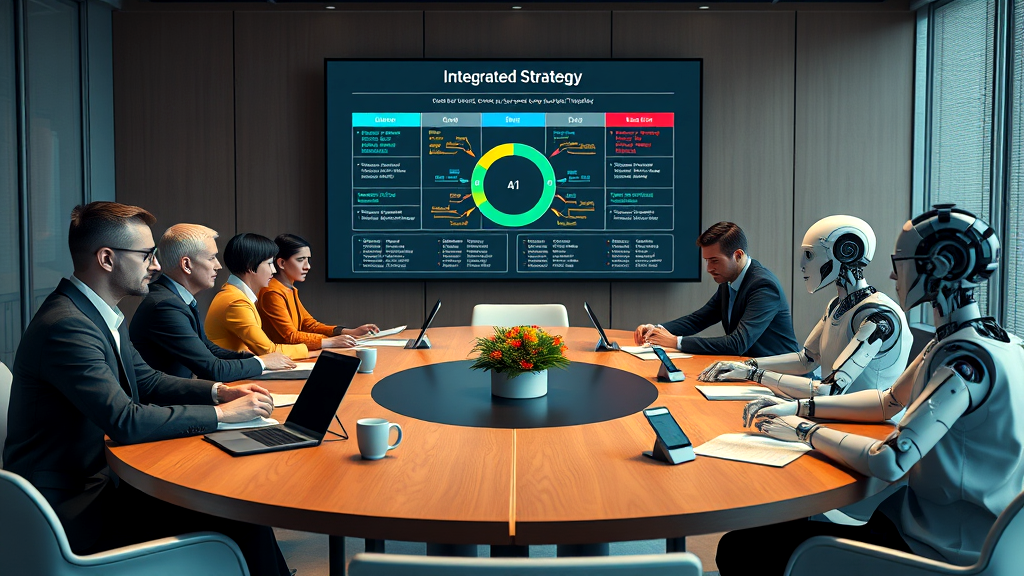
Balancing Human and Machine Roles
Striking a harmonious collaboration between artificial intelligence and human expertise in the field of translation requires insightful management. Machines, with their lightning-fast processing ability, can churn through large volumes of text. This makes them ideal for handling routine translation tasks, but their proficiency comes to a halt when nuances of language and cultural references come into play.
This is where we, as humans, shine. Our ability to understand context, tonality, and cultural subtleties is unmatchable. We’re needed to carefully review and refine machine translations, assuring they’re not just precise, but culturally apt as well.
| Role | Machine | Human | Strategy |
|---|---|---|---|
| Efficiency | High | Low | Blend of AI and human input |
| Quality | Variable | High | Human review and refinement |
| Contextual Accuracy | Low | High | Human interpretation and adjustments |
| Cultural Sensitivity | Low | High | Culturally aware |
| Speed | Rapid | Slower | Efficient yet thorough |
| Decision Role | Efficiency | Quality assurance | Integrated strategy |
AI and humans can work harmoniously in translation, but the right balance is the linchpin.
Examples of Successful Collaboration
In the domain of translation, there have been several instances where the collaboration between humans and machines has led to unprecedented success. Here are a few cases where this partnership worked wonders:
- AI-driven Translation Tools: Systems like Google Translate utilize the computational prowess of AI for initial translation drafts, which human translators then refine.
- Editing and Proofreading: Machine translation software often handles the heavy lifting of bulk translations, leaving humans to perfect the nuances and subtle context.
- Cultural Context: Machines provide literal translations, but human input is needed to impart cultural relevance and sensitivity to the translated material.
- Industry-Specific Translations: In sectors like law or medicine, human expertise is integral to translating complex jargon, even after AI has processed the basic translation.
- Quality Assurance: Humans play a critical role in reviewing and approving machine-translated content to maintain high-quality standards.
In essence, it’s not a battle between man and machine, but rather a partnership that’s redefining translation.
Impact on Human Society
In exploring the societal implications of translation technologies, it’s clear that the constant evolution is transforming the way we communicate. With the rise in machine translations, the traditional roles within the translation sphere are being redefined. Human translators are now increasingly focused on supervising and refining AI outputs. This shift is creating a new wave in job roles centered around AI oversight and quality control.
| Societal Changes | Role of AI | Role of Humans |
|---|---|---|
| Job Market Shift | Automation of translation | Supervision & refining AI outputs |
| Cultural Sensitivity | Struggles with nuanced language | Provides cultural context & interpretation |
| Decision Making | Provides efficiency | Ensures ethical alignment & cultural appropriateness |
Simultaneously, the importance of human input can’t be understated. Our ability to comprehend cultural nuances, idioms, and complex language sets us apart. As we look ahead, the balance between human agency and automated systems will continue to shape the translation industry and, by extension, our global society.
Automation and Employment Changes
As we navigate the intersection of automated systems and human engagement in translation tasks, our roles are being redefined. The rise of AI-powered translation tools has prompted a shift in job roles. Traditional translation tasks are giving way to roles centred on managing and refining machine outputs.
This transformation isn’t isolated to the translation industry. It is a reflection of broader changes in our society brought about by automation.
| Human Role | Automated Role | Balance |
|---|---|---|
| Quality Assurance | Text Processing | Process Management |
| Context Interpretation | Routine Translation | Supervision |
| Specialized Translation | High volume tasks | Refinement |
The future lies in a harmonious blend of human insight and AI efficiency. We need to continue to bring our human judgment to the table to steer these powerful AI tools effectively. So, get ready for a future where we work hand in hand with machines, shaping and being shaped by them.
Human Agency in Translation Decisions
Delving into the dynamics of AI and human involvement in translation systems, we see how the gradual evolution of these systems has reshaped the employment landscapes. My role, as a human translator, involves interpreting context, tonality, and cultural subtleties.
Even with AI’s impressive speed and accuracy in handling routine translation tasks, my human judgment is still needed to navigate local customs, societal norms, and language nuances. It’s a balancing act, really – deciding when to let AI take the lead and when to step in.
I see myself as the final gatekeeper making sure translations are not just accurate, but culturally appropriate. This is where my human agency comes in, playing a critical role in the final decision-making processes, particularly in complex or sensitive translations.
| Human Ability | AI Efficiency | Translation Task |
|---|---|---|
| Context Interpretation | High volume tasks | Routine Translation |
| Quality Assurance | Rapid Processing | Text Processing |
| Specialized Translation | Learning Capability | Process Management |
| Decision-making | Immediate Language Solution | Supervision |
| Cultural Sensitivity | Handling Diverse Language Pairs | Refinement |
Our future, as I see it, involves an increased sophistication in AI translation systems. But fear not, my friends, as humans will continue to play a pivotal role, maintaining oversight, trust, and ethical integrity in translation processes.
Future of Automated Decision Systems
Peering into the horizon, it becomes evident that AI-driven translation systems will continue to evolve, becoming even more sophisticated. This progression, as I predict, will push the boundaries of what machines can achieve independently in language processing. The potential challenges lie in managing biases in machine learning and maintaining the human touch in translation processes. After all, human involvement remains indispensable to interpret context, tonality, and cultural subtleties that machines often overlook.
| Future Predictions | Human Role | Machine Learning |
|---|---|---|
| Advanced AI capabilities | Interpretation of context | Managing biases |
| Ethical use of AI | Quality assurance | Continuous learning |
| Human-centric approach | Cultural appropriateness | Diverse linguistic handling |
As we sail forth on this technological voyage, Harvard Business Review offers valuable insights on striking the right balance between human agency and automated systems. Always remember, it’s not about replacing humans, but about empowering us to make better, informed decisions.
Predictions for the Next Decade
As we look forward, one can’t help but wonder about the role of translation in the coming years. Will machines take over completely? Or will the human touch remain indispensable? I foresee a future where machines will become even more adept at handling routine translation tasks, thanks to advancements in AI.
But, hold on to your hats, folks! Even with such progress, the nuanced language of idioms, cultural references, and context-specific phrases will still require human insight. Not to mention, the ethical use and managing biases in machine learning will remain a challenge.
Take it from me, our future, in translation and beyond, will continue to be a delicate dance between human and machine. It’s a two-step where we’ll use AI’s speed and accuracy for grunt work, and human expertise for complex tasks. Here’s an interesting read to keep you mulling over the exciting times ahead.
Challenges in Implementation
Facing obstacles in the application of translation systems is part of the process. It’s not a walk in the park, but it’s not climbing Mount Everest either. It’s more like hiking up a steep hill – challenging but doable. The major bump in the road is maintaining the human touch in translations. Machines may falter in interpreting cultural nuances, idiomatic expressions, and context-specific phrases. Software development has its work cut out in these areas. It’s a tightrope walk to balance human control and machine efficiency. Missteps could lead to mistranslation or cultural insensitivity. But don’t fret, human agency is still very much the heart of translation. So, future human developers, remember that the secret sauce to perfect translation lies in marrying the precision of AI with the cultural sensitivity of a human.
| Obstacle | Solution | Role of Human Agency |
|---|---|---|
| Interpreting Cultural Nuances | Human Oversight | Crucial |
| Translating Idiomatic Expressions | Software Development | Necessary |
| Context-Specific Phrases | Human Input | Indispensable |
| Balancing Efficiency & Accuracy | Decision-Making | Critical |
| Ethical Use & Managing Biases | Human Control | Fundamental |
Technological Advances in NLP
With innovation surging in the field of natural language processing, translation systems are taking massive strides forward. The ingenious combination of artificial intelligence and human insight brings previously unseen efficiency and accuracy to the process. AI has proven indispensable for processing large volumes of text swiftly, an asset in today’s global, multicultural environments. Yet, the subtleties of language, context, and culture often elude these systems. This is where human intervention becomes critical.
Human translators still have the upper hand in interpreting nuanced language aspects, from idiosyncratic idioms to intricate cultural references. They provide the critical human touch needed to assure quality and cultural appropriateness. In essence, it’s a delicate dance between AI efficiency and human precision, where each has a pivotal role to play.
| AI in Translation | Role | Importance |
|---|---|---|
| Text Processing | Speed | High |
| Cultural Interpretation | Quality Assurance | High |
| Language Nuances | Accuracy | High |
| Decision Making | Oversight | High |
| Learning Capability | Improvement Over Time | High |
The evolution of translation systems is a fascinating study of technological progress and human adaptability. As AI improves, our role shifts. But instead of being threatened, we must learn to harmonize with these systems, guiding them with our distinctive human touch.
How AI Improves Over Time
Looking into the evolution of artificial intelligence, it’s interesting to see how AI refines its abilities, particularly in the field of translation. With each new data point, AI systems tweak their algorithms, becoming savvier in handling varied linguistic challenges. This ongoing adjustment amplifies the quality of translation output over time.
Now, consider a language learning tool that continually adapts to the user’s proficiency level. It suggests a nuanced and context-aware translation only when the user stumbles. Therein lies the beauty of AI: it learns and improves unceasingly.
Yet, there’s a flip side. Balancing the efficiency of AI and the need for human oversight poses a challenge. Human agency remains critical in decision-making processes, acting as the final guardrail to align translations with organizational and cultural standards.
In the end, it’s a dance between man and machine. As Zipf’s law applies to language frequency, so does it to our AI interactions: the more we engage, the better it gets.
| Aspect | Role | Importance |
|---|---|---|
| Human Agency | Decision Making | High |
| AI | Efficiency | High |
| Human Control | Oversight | High |
| AI | Learning Capability | High |
| Human Input | Quality Assurance | High |
Key Innovations in Software Development
Advancements in the software development field have brought about remarkable changes, particularly in the domain of translation. One of the most striking developments involves the application of AI to language processing, which has led to a dramatic increase in translation speed and accuracy. With AI at the helm, there’s a substantial reduction in manual work, as routine translation tasks are automated.
- Human agency remains imperative in maintaining translation quality and accuracy.
- Human control over AI systems ensures ethical integrity in translation processes.
- The rise of automated decision systems heralds a paradigm shift in how we perceive and interact with technology.
- Human input is indispensable in quality assurance, making translations not just precise but culturally apt.
As we look ahead, the next decade promises increased sophistication in AI translation systems. A blend of human oversight and AI efficiency appears to be the most viable approach. This New York Times article offers an intriguing perspective on the subject. The future of software development is definitely exciting, with constant innovations shaping our interactions with technology. It’s a fascinating time to be part of this tech-driven society.
Human Control Over AI Systems
Continuing on the subject of human agency in AI systems, it’s clear that the role of human decision-making in translation tasks is far from obsolete. My job often involves balancing efficiency with accuracy, using AI for routine tasks and reserving human expertise for more complex translations. It’s a bit like being a conductor, orchestrating the symphony of language translation.
Speaking of orchestration, it’s interesting how managing AI systems has reshaped the job market. Traditional translation roles are dwindling, but new opportunities are emerging in AI oversight and quality control. It’s a bittersweet symphony, don’t you think?
The future? Well, I expect the next decade to bring further advancements in AI translation systems. But trust me, maintaining human control will remain paramount to uphold ethical standards and trust. If you’re interested, here is a great read on the topic.
| Human Control | AI Systems | Role in Translation |
|---|---|---|
| Human Judgment | Machine Efficiency | Balancing Act |
| Cultural Sensitivity | Rapid Processing | Translation Quality |
| Quality Assurance | Learning Capability | Continuous Improvement |
| Ethical Integrity | Automated Decisions | Trust Maintenance |
| Human Agency | Advancements in AI | Future Predictions |
Maintaining Oversight and Trust
In the sphere of translation, human oversight remains a linchpin amid the rise of AI-driven processes. A balanced approach is paramount, marrying human control and automated functionality. Here’s a succinct rundown on how we can sustain this equilibrium:
- Encourage human involvement in the development of translation algorithms, creating systems that learn from and adapt to human expertise.
- Establish clear protocols for the ethical use of AI, addressing potential biases and advocating for transparency in automated decision-making systems.
- Promote quality assurance roles for human translators, allowing the machines to handle the grunt work, but keeping humans in control of the final quality check.
- Prioritize continuous training and upskilling for human translators, preparing them for the changing dynamics of their profession.
- Encourage research in software development aimed at creating more adaptive AI systems, capable of handling cultural nuances and idiomatic expressions.
- Advocate for the integration of human agency in the decision-making processes of AI translation systems.
This human-centered approach to translation ensures that even as technology evolves, we remain the stewards of our linguistic heritage.
The ongoing dance between humans and machines in language translation is a fascinating one. As we’ve seen, the evolution of automated systems has been both a boon and a challenge. AI has taken over the heavy lifting, powering through mountains of text and learning as it goes. Yet, it can stumble over the subtleties of language, the cultural context, the idioms and nuances that make language rich and complex.
That’s where we, humans, step in. We bring the sensitivity, the judgement, the cultural insight that machines can’t master. We’re the quality control, the final arbiters, the decision-makers. And as the future unfolds, with all its dazzling tech advancements, that human touch, that human control, remains pivotal.
So, it’s not about humans versus machines. It’s about the synergy between us. It’s about leveraging the strengths of both, the tireless capacity of AI with the irreplaceable intuition of humans. And as we look ahead, one thing is clear: in the intricate art of translation, there’s a role for both the machine’s might and the human touch.
FAQ
- What is the role of AI in language processing? AI has become a critical component of language processing, improving both the speed and precision of translation systems. Through AI, routine translation tasks are handled more efficiently, reducing the manual workload.
- Why is human input still necessary in translation systems? Human input in translation systems is indispensable for quality and accuracy. Humans offer the ability to interpret context, tonality, and cultural subtleties that machines often overlook. This human touch is especially critical in specialized fields like legal and medical translation.
- How have automated translation systems impacted employment? The rise of automated translation systems has reshaped the job market. Traditional translation roles have decreased, but new roles in AI oversight and quality control have emerged. The demand has shifted toward roles focused on managing and improving machine outputs.
- What are some of the challenges in implementing AI in translation systems? There are several challenges in implementing AI in translation systems. These include ethical use, managing biases in machine learning, and maintaining a human-centric approach in translation processes. Overcoming these challenges is critical for the successful integration of AI in translation.
- How does AI improve over time in translation systems? AI systems regularly learn from vast datasets, refining their algorithms to handle a wide range of linguistic challenges better. This continuous learning process improves translation quality and enables more nuanced and context-aware translations.