

Professional Translators: A Necessity
Navigating a multilingual world requires more than just basic translation skills. It’s clear that professional translators are the unsung heroes of effective global communication. They bridge the gap where machine translation stumbles, capturing the heart and soul of a message. Tools like Google Translate are handy for quick fixes, but they can’t compete with the precision and cultural understanding that human translators offer.
I once worked on a project requiring a careful localization strategy. It wasn’t just about translating words but adapting the entire message to fit the local culture. This involved tweaking idioms, symbols, and even color choices, something automated tools can’t handle well.
CAT tools translators significantly aid this process, enhancing speed while maintaining quality. Yet, the human touch ensures the translation resonates with the audience. In business, relying solely on software can lead to awkward phrasing and misunderstandings.
Human translators also bring creativity to complex texts, where machines might falter. This quality translation is indispensable in a world rich with diverse languages.
| Aspect | Human Translators | CAT Tools | Google Translate |
|---|---|---|---|
| Cultural Sensitivity | High | Moderate | Low |
| Accuracy | High | High | Moderate |
| Speed | Moderate | High | High |
| Creativity | High | Moderate | Low |
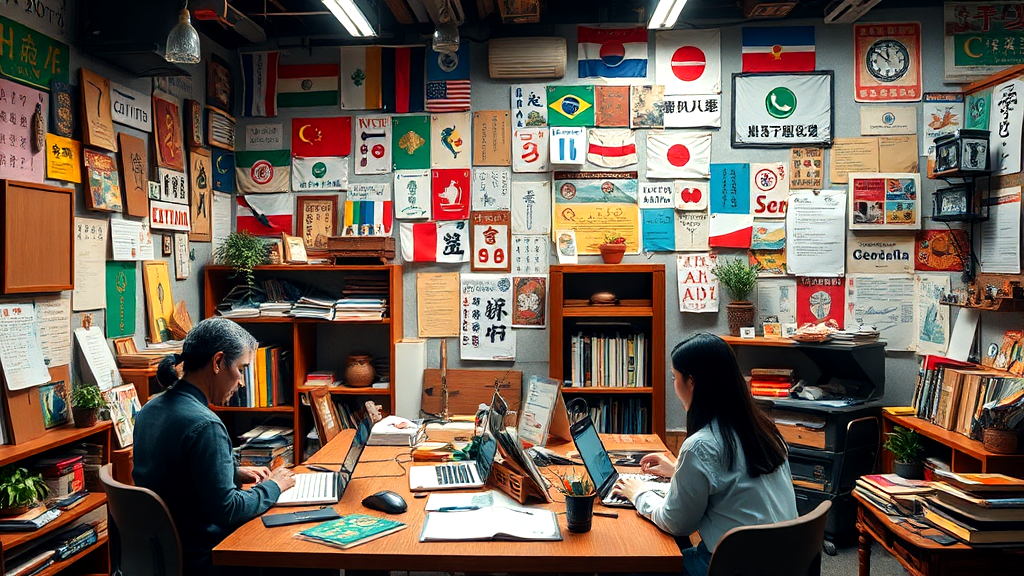
Quality Translation: Human Touch Matters
The human element in translation is irreplaceable. Sure, Google Translate and other tools offer convenience. But they miss the subtleties and emotions that human translators capture. When I’m translating, it’s like solving a puzzle. Every word and phrase needs to fit perfectly. This is where professional translators shine, balancing language nuances and cultural insights.
Translators use CAT tools to streamline their processes. However, these CAT tools can’t replace the intuitive decisions of a human mind. They’re like the sous chef to a master chef, assisting but not replacing. With an effective localization strategy, I ensure the content resonates with the target audience, adapting not just words but cultural elements too.
Sometimes, I chuckle at how machine translation can bungle idioms. It’s like watching a dog walk on its hind legs—not quite right. My experience with translation CAT tools emphasizes the importance of human intervention. After all, understanding a foreign language requires more than just words on a screen.
| Aspect | Human Translation | Machine Translation | CAT Tools |
|---|---|---|---|
| Nuance | High | Low | Moderate |
| Speed | Moderate | High | High |
| Cultural Fit | High | Low | Moderate |
| Accuracy | High | Moderate | High |
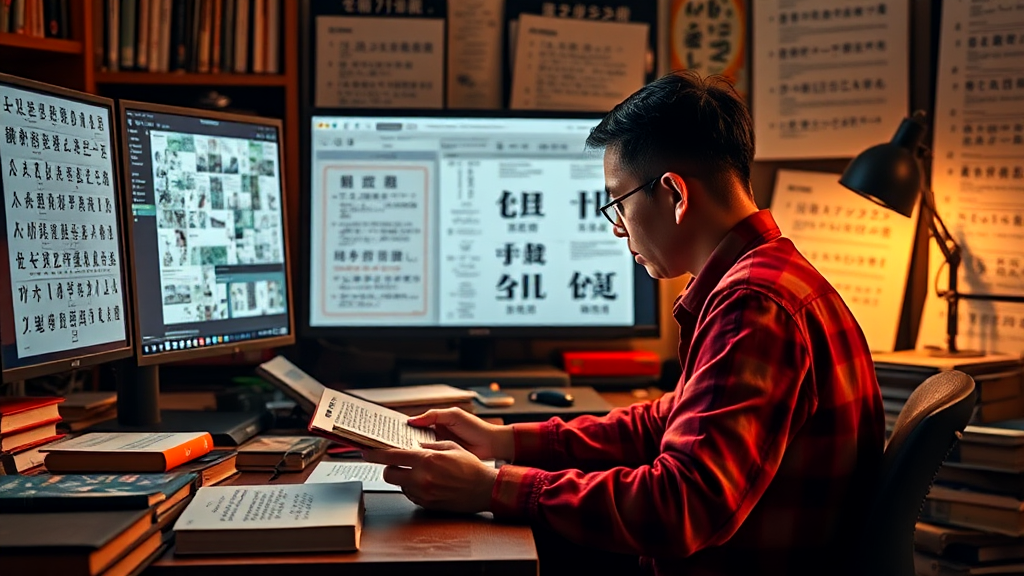
Localization Strategy for Global Reach
Crafting a strategy for global reach isn’t just about language translation. We need to dive deeper, considering cultural nuances. For instance, Google Translate might give us a quick fix, but it won’t capture the essence and subtleties that resonate with local audiences. We can’t ignore the role of CAT tools translators in this endeavor. While they streamline processes, professional translators add the human touch, ensuring a quality translation that machines often miss. It’s like comparing a frozen meal to a home-cooked dish; both fill you up, but one leaves you savoring the flavors.
Let’s talk about colors and symbols. In some cultures, a color might signify joy, while elsewhere it’s a no-go. And don’t even get me started on idioms! These little language quirks can trip up even the best translation service, turning an intended compliment into a comedy of errors. Balancing technology like machine translation with cultural insight is key. Every foreign language has its quirks, and understanding them can make or break your localization strategy.
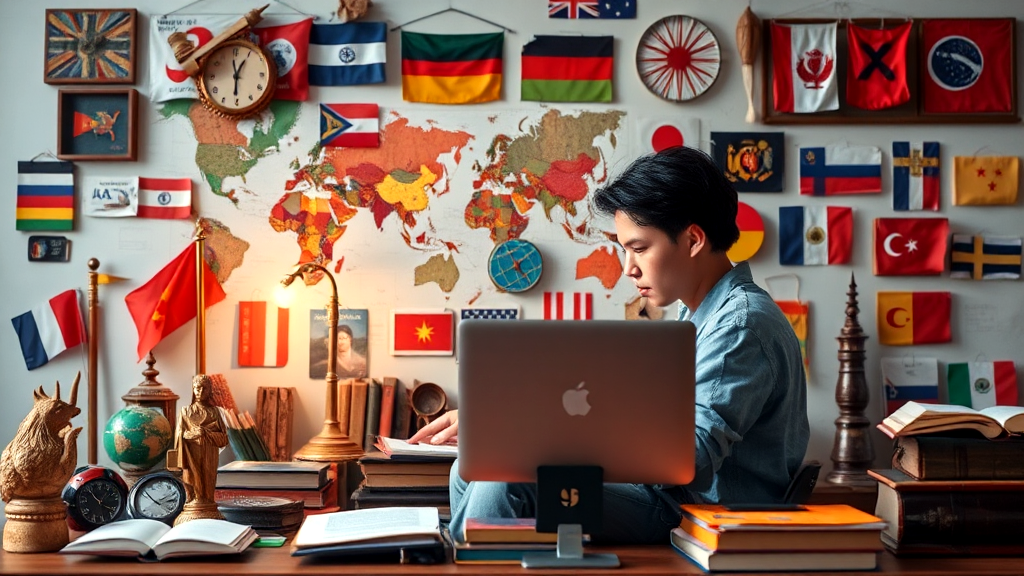
Challenges in Machine Translation
Addressing the machine translation puzzle reveals fascinating challenges. It often gets lost in translation when dealing with idioms or cultural nuances. Imagine translating “it’s raining cats and dogs” literally—sounds like a weather forecast gone awry!
- Contextual Misinterpretations: Machines often miss the subtleties of context, leading to awkward translations.
- Idiomatic Expressions: These are tricky for machines, as literal translations often miss the mark.
- Cultural Sensitivity: Machines can’t detect cultural nuances, risking potential faux pas.
- Language Complexity: Complex structures and creative texts often confuse algorithms.
- Dynamic Languages: Rapidly evolving languages can outpace algorithms.
- Lack of Emotional Insight: Machines can’t grasp tone or emotional intent.
While technologies like Google Translate have their place, professional translators remain indispensable for nuance and accuracy. They ensure that translations convey the intended meaning, offering a quality translation that resonates with diverse audiences. For businesses, aligning their localization strategy with human expertise is crucial for success. Just as Julije Knifer’s works embody minimalism, human translators bring simplicity and clarity to intricate texts.
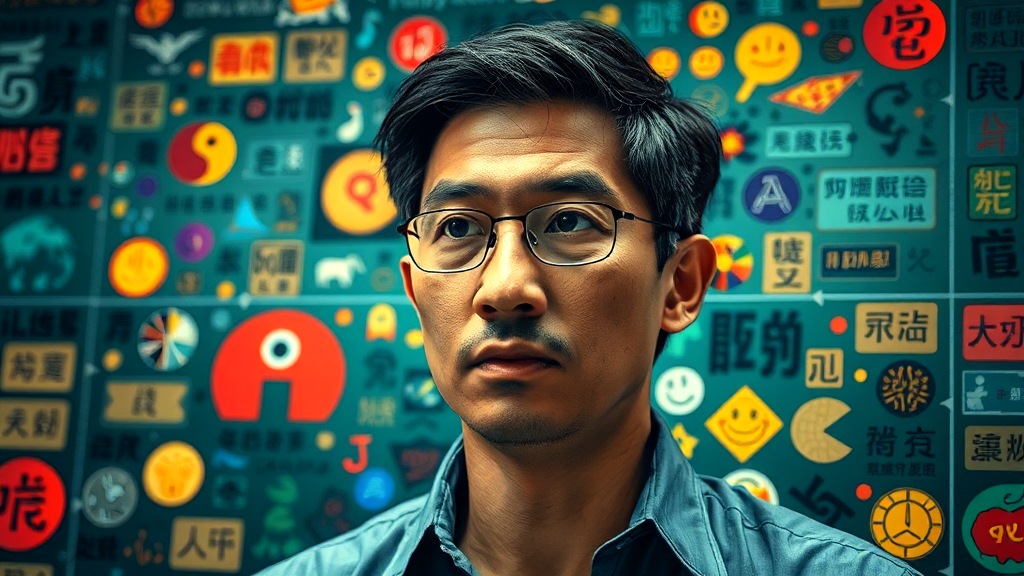
Why Human Translation Reigns Supreme
Why does human translation hold the crown? It’s all about capturing the subtleties of language. Machines like Google Translate may handle basic tasks, but they miss the boat on context. For instance, when dealing with idiomatic expressions or cultural nuances, they often stumble.
Human translators, with their expertise, can interpret these subtleties beautifully. They ensure that translations carry the intended meaning, offering a quality translation that resonates. This is crucial when developing a successful localization strategy. Imagine trying to adapt content for a foreign market without understanding its cultural context. It would be like navigating a maze without a map.
Here’s what makes human translation indispensable:
- Cultural Insight: Humans understand cultural subtleties.
- Contextual Accuracy: They ensure precise interpretations.
- Emotional Depth: Machines lack emotional insight.
- Creative Problem-Solving: Humans find solutions for complex translations.
- Language Nuance: They grasp the nuances of foreign languages.
- Strategic Adaptation: Human input is key in localization.
- Professional Touch: Human translators bring a polished finish.
- Error Prevention: They catch mistakes machines overlook.
Machine Translation in Business
Turning to automated translation in businesses might seem like a quick fix. Yet, relying solely on it is risky. With tools like Google Translate, it’s tempting to skip human input. But, contextual blunders can tarnish a brand’s image. For basic tasks, machines do okay, but anything critical? That’s a no-go.
A well-thought-out localization strategy is crucial. Let’s chat about adapting content to fit cultural nuances. These aren’t just words but symbols, idioms, and even colors that resonate locally. Without this, businesses may miss the mark.
Ever tried using CAT tools? They’re helpful but don’t replace the need for human insight. These tools assist, but the real magic happens when they’re combined with human expertise.
Trust me, professional translators are the secret sauce. They ensure a genuine, quality translation. As technology evolves, a hybrid approach could be the future. Machines handle the grunt, humans finesse the details. That’s where success lies.
| Application | Human Translators | Machine Translation | Google Translate |
|---|---|---|---|
| Speed | Moderate | Fast | Very Fast |
| Accuracy | High | Variable | Basic |
| Cultural Nuance | High | Low | None |
| Cost | Higher | Lower | Free |
Translation Service: Human Expertise
Understanding the nuances of a translation requires more than just converting words. Human professionals bring a depth of understanding that machines like Google Translate can’t match. Their ability to grasp context, tone, and cultural subtleties makes them invaluable. Every foreign language has its quirks, and a human touch ensures these are captured beautifully.
A robust localization strategy can make or break a brand’s global success. I’ve seen firsthand how adapting content to local cultures can foster genuine connections. While machine translation offers speed, it lacks the finesse that professionals provide.
Professional translators excel at delivering quality translation, making the content resonate. They adapt and innovate, ensuring that idioms and cultural references make sense to the target audience.
| Feature | Google Translate | CAT Tools | Human Translators |
|---|---|---|---|
| Cultural Understanding | Low | Medium | High |
| Contextual Awareness | Limited | Medium | High |
| Idiomatic Precision | Low | Medium | High |
| Adaptability | Low | Medium | High |
Petar Zoranić’s narrative techniques in the 16th century were a testament to the power of understanding cultural context.
How Cultural Competence Impacts Translation
Recognizing how cultural awareness shapes translation is a game-changer. Picture this: trying to explain a joke in a foreign language. Without cultural knowledge, it might fall flat. Google Translate might catch words, but it misses the punchline. The same goes for idioms. If I told you I was “over the moon,” would you think I’m an astronaut? This is where cultural competence shines. It ensures translations maintain impact by considering local humor, traditions, and customs.
A solid localization strategy embraces cultural subtleties. This could mean altering colors or symbols to match cultural preferences. CAT tools assist, but they lack the creative flair of a human touch. Professional translators bring the expertise needed for quality translation. They ensure messages resonate with audiences, making translation service indispensable for global communication. While machine translation offers speed, it lacks the depth of human insight. In my book, cultural competence is the secret sauce for effective translation.
| Aspect | Machine Translation | Human Translation | Cultural Competence |
|---|---|---|---|
| Context | Limited | High | Essential |
| Idiomatic Translation | Difficult | Accurate | Critical |
| Emotion & Tone | Basic | Nuanced | Key |
| Cultural Adaptation | Minimal | Extensive | Required |
| User Experience | Basic | Enhanced | Enhanced |
The Art of Translating Idioms
The skill of converting idioms between languages can be challenging yet rewarding. Idioms don’t always have direct translations, making it a delightful puzzle for the professional translator to solve. When I face an idiom, I often have to consider cultural nuances and the message behind the words. It’s like playing a game of linguistic chess, always thinking a few moves (or words) forward.
While CAT tools and Google Translate are helpful, they often miss the mark with idiomatic expressions. These phrases require a human touch to ensure they resonate in the target foreign language. Relying on technology can lead to awkward results, sometimes turning a simple phrase into a comedic mishap.
Creating a successful localization strategy means knowing when to rely on human insight. Translating idioms isn’t just about words; it’s about translating culture. This is why a reliable translation service prioritizes human expertise. It’s all about ensuring the quality translation that machines, no matter how advanced, can’t fully achieve.
| Aspect | Machine Translation | Human Translation | Google Translate |
|---|---|---|---|
| Idiomatic Precision | Low | High | Medium |
| Cultural Relevance | Minimal | Extensive | Basic |
| Emotional Tone | Basic | Rich | Moderate |
| Contextual Accuracy | Limited | Comprehensive | Moderate |
| Speed | Fast | Moderate | Fast |
Human vs. Machine: Who Translates Better?
The ongoing debate on whether humans or machines translate better is quite an interesting journey. Human translators undoubtedly bring a unique touch, capturing context and emotion that machines often miss. When I use tools like Google Translate, it’s a bit like a quick pit stop—convenient but sometimes lacking depth. For instance, if you’re navigating a foreign language, the emotional nuance can get lost in the shuffle.
Machines, like CAT tools, offer speed and efficiency, which is great for simple tasks. But when quality translation is crucial, humans excel. The richness of cultural nuances and idiomatic expressions require a human touch. My experience has shown that a solid localization strategy needs both the precision of a machine and the heart of a human.
- Google Translate: Quick but often lacks depth.
- CAT Tools: Efficient for basic tasks.
- Human Translators: Essential for cultural insight.
- Emotional Nuance: Best captured by humans.
- Localization Strategy: Requires a balance of both.
- Foreign Language: Machines often miss contextual subtleties.
- Quality Translation: Achieved with human expertise.
- Professional Translators: Provide unmatched accuracy.
Translation Accuracy: Human vs. Machine
Determining the accuracy of translation efforts by humans versus technology raises interesting points. Human translators excel in capturing emotional nuance and contextual depth. Machines, like Google Translate, are rapidly advancing but still grapple with subtleties and idiomatic expressions. The human touch remains a gold standard for quality translation, ensuring messages resonate culturally and emotionally.
- Nuanced Interpretation: Humans capture subtle meanings machines miss.
- Cultural Sensitivity: Translators adapt content for the target audience.
- Error Reduction: Humans minimize risk, unlike the occasional blunders seen in machine-generated outputs.
- Artistic Flair: Creative translations are a human forte.
- Language Evolution: Humans adapt to language changes.
- Tool Integration: CAT tools can enhance human translator productivity.
- Localization Strategy: Humans drive culturally accurate adaptations.
- Foreign Language Mastery: Human expertise ensures accuracy.
In businesses, machine translation offers speed but lacks depth. Professional translators remain indispensable for high-stakes content, ensuring integrity and relevance in every foreign language. When seeking a translation service, human expertise guarantees the best outcome, bridging language barriers with finesse.
Importance of Human Review in Translation
The role of human review in the world of translation is like having a sharp-eyed editor. While tools like Google Translate and CAT tools offer quick results, they often miss cultural context and nuance. This is where human expertise shines, ensuring that every detail is spot-on. Picture this: a human translator catching a phrase that a machine would butcher. It’s like having someone who knows the lay of the land guiding your localization strategy.
Incorporating human insight ensures that translations resonate with the target audience. This is especially important when working with a foreign language. The risk of miscommunication can be costly, both in terms of reputation and trust. Machines might translate words, but humans translate meaning.
Professional translators bring their unique flair to the table. It’s not just about getting the words right; it’s about capturing the heart of the message. They are the unsung heroes of truly effective translation. Their role is essential, making sure that the final output is accurate and culturally tuned.
Cultural Sensitivity in Localization
Understanding cultural nuances within localization is like finding the perfect spice for a dish. Without it, translations can fall flat or even offend. I remember once reading about a campaign that flopped in a foreign language because of a simple oversight. Google Translate might handle the basics, but it can’t navigate the subtleties of culture.
Professional translators are like cultural diplomats. They ensure that idioms and metaphors hit the right note. Incorporating CAT tools into a localization strategy can streamline the process but human insight remains crucial. There was a tale I heard where a machine translation turned a well-known phrase into gibberish, causing confusion.
The blend of technology with human expertise is essential. A smooth translation service involves both, making each word resonate with its audience. This doesn’t just enhance communication; it builds bridges. Translating isn’t just swapping words; it’s about weaving stories that connect with people, ensuring messages aren’t lost in translation. For a historical insight, they might appreciate reading about the Statenvertaling, a remarkable translation feat.
Machine Translation Limitations
Navigating the hurdles in machine translation is like trying to teach a dog to meow. It might produce something, but it’s just not quite right. The major stumbling block is its inability to grasp context. I once encountered an example where Google Translate tried to tackle idioms and ended up with a phrase that would make even a cat laugh.
While CAT tools offer some assistance, they can’t replace human intuition. They lack the finesse to interpret cultural subtleties and often trip over idiomatic expressions. Without the guiding hand of professional translators, this technology can lead to awkward results. This is where a well-rounded localization strategy comes in. It’s not just about words; it’s about meaning.
Integrating a human touch ensures translations are accurate and engaging. When translating a foreign language, every nuance counts. A successful translation service will blend technology with cultural insight, keeping your message clear and impactful.
Future of Translation: Human and Machine
As we look to the future, translation will increasingly rely on a blend of human expertise and technology. While tools like Google Translate have revolutionized access to multiple languages, they often stumble over cultural nuances and idiomatic expressions. That’s where human translators step in, with their ability to understand and convey context and emotion. They ensure that your message is not just heard, but truly understood.
Even with the advancements in translation technology, professional translators remain indispensable. They bring a nuanced understanding and cultural competence that machines can’t replicate. In business, a strong localization strategy is key. This involves more than just word-for-word translation; it’s about adapting content to resonate with different audiences. Consider how Dolce & Gabbana’s misstep in China sparked outrage due to a lack of cultural sensitivity as reported by NPR.
Ultimately, the partnership between humans and machines offers the best of both worlds. Machines handle the grunt and humans add the sparkle!
Quality Control in Translation Services
The control of quality in translation service is as crucial as salt in a soup. It’s not just about swapping words; it’s about catching cultural nuances and ensuring linguistic accuracy. The human element in this process is irreplaceable. Professionals deeply understand both language and culture, bridging gaps that machines can’t.
I’ve seen how tools like Google Translate miss the mark, especially in idioms. They might be quick, but often they stumble in context. Good old human translators? They bring the magic. They ensure the message isn’t just delivered but is also meaningful. I mean, who else can navigate the tangled web of idiomatic expressions?
Localization strategy is another beast altogether. It requires more than just translation; think of it as tailoring a suit. You’re adapting content to fit perfectly with cultural norms. It’s a dance of sorts, one where CAT tools can assist but not lead.
Machine translation has its place in the fast-paced business world. But for precision and cultural sensitivity, humans will always lead the charge.
Why Professional Translators Are Irreplaceable
Understanding the irreplaceability of professional translators is like recognizing art in a world of science. While Google Translate and other machine translation tools provide a quick fix, they often stumble over context and cultural subtleties. Picture trying to explain a joke to someone who doesn’t share your sense of humor! That’s where the human touch comes in—capturing the nuances and ensuring messages don’t just cross borders, but resonate.
Translation is more than swapping words; it’s about honoring the rich tapestry of languages and cultures. A successful localization strategy needs more than just tech; it demands a deep dive into cultural norms and preferences. Imagine trying to impress at a foreign dinner party without understanding the customs—awkward, right?
Of course, CAT tools can be helpful, but they’re like training wheels—useful to a point. For professional translation services, the heart and soul come from human insight. Without it, the essence of a message can get lost in translation, leaving audiences puzzled rather than engaged.
| Aspect | Human Translators | Machine Translation | Importance |
|---|---|---|---|
| Cultural Understanding | High | Low | Very Important |
| Translation Accuracy | High | Moderate | Critical |
| Nuance and Creativity | Excellent | Poor | Crucial |
| Adaptation to Local Norms | Excellent | Low | Essential |
| Overall Reliability | High | Moderate | Essential |
5 Key Benefits of Human Translation
Considering the headline about the advantages of human translation, let’s chat about why it’s a game-changer. Cultural understanding is a biggie; human translators grasp nuances that Google Translate often misses. This depth of understanding aids in crafting a localization strategy that resonates with the target audience. The ability to adapt to local norms isn’t something machines can replicate.
Accuracy is another strong suit of professional translators. The human brain captures subtle nuances, ensuring that the final product doesn’t lose its meaning. Creativity is another perk. Translators can creatively solve complex translation issues that cat tools might stumble over. Lastly, human involvement provides a layer of quality assurance unmatched by machine translation.
Here’s a quick rundown:
- Cultural insight ensures translations fit local contexts.
- Human accuracy beats machine precision.
- Creativity solves tricky linguistic dilemmas.
- Quality checks are thorough and reliable.
- Translators adapt content to fit cultural norms.
- Human input captures emotional tones lost in machine output.
| Aspect | Human Translation | Machine Translation |
|---|---|---|
| Cultural Insight | Excellent | Low |
| Accuracy | High | Moderate |
| Creativity | Excellent | Low |
| Emotional Tone | High | Low |
| Quality Assurance | High | Moderate |
For more on how creativity in translation shines, see how Messrs. Glembay exemplifies this in literature.
I believe in the power of human touch in translation. Machines, with all their efficiency, can’t match the depth of understanding that humans bring. It’s like comparing a paint-by-numbers to an art masterpiece. Each word, phrase, and idiom carries weight and meaning that technology often overlooks.