Translation Needs Human Insight
When I think about translation, I see a world of words connecting cultures. Machine translation, like the one from Google Translate, offers speed. It’s handy for non-critical tasks. Yet, when nuance matters, it often misses the mark. You wouldn’t want your marketing campaign to turn into a joke, right? This is where human translation services step in. They capture the subtleties machines overlook. The human touch ensures your message resonates across cultures. While machine translation technology, such as statistical machine translation, continues to improve, it still faces challenges with idiomatic expressions. Human translators bring expertise that machines can’t replicate. They turn words into meaningful communication. In critical areas, trust a human to translate your needs.
Key Takeaways
- Machine translation is fast but struggles with nuances and cultural contexts.
- Human translation services capture cultural subtleties, ensuring accuracy in critical areas.
- Google Translate can misinterpret idiomatic expressions, leading to errors.
- A hybrid approach combines machine efficiency with human nuance for optimal results.
- Human translators are essential for documents requiring precision, like legal and medical texts.
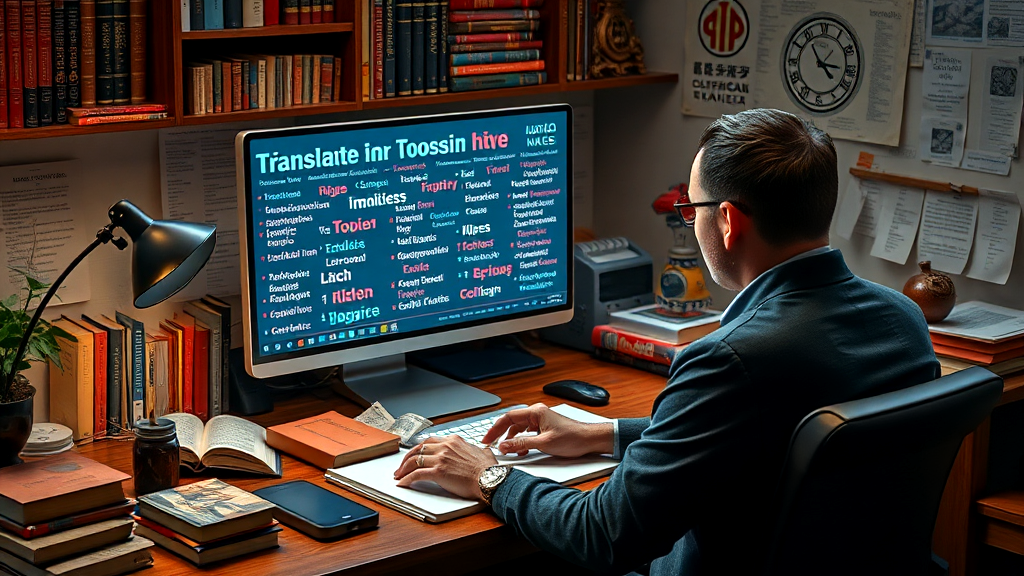
Differences Between Human and Machine Translation
In understanding the contrasts between human and machine translation, I find that human translation offers more than just precision. It captures the subtleties and cultural contexts that machine translation technology often misses. While machine translation software delivers speed, it struggles with idioms and humor, potentially leading to blunders. Especially in crucial documents, human translation services shine. However, machine translation challenges persist, particularly in ensuring accuracy with statistical machine translation methods. Translator machines can be efficient, yet the human touch remains irreplaceable for nuanced content. Google Translate, although advanced, sometimes falls short in capturing the essence of language.
- Human insight captures cultural nuances.
- Machine speed aids large volume translation.
- Idioms can confuse machines.
- Human translators crucial for critical documents.
- Machine translation software lacks context.
- Google Translate faces limitations.
- Human touch adds depth.
- Translator machines improve but need oversight.
For more insights on language versions and quality, Google’s site quality impact is a good read.

Advantages of Machine Translation
Benefits of using translation software become evident with quick and cost-effective solutions. I find machine translation ideal for non-critical tasks, offering a handy tool for instant content interpretation. It’s like having a Swiss army knife in the translation realm, especially useful when speed matters more than precision. Though lacking the human touch, it’s a reliable go-to for large text volumes. This method shines in scenarios where understanding the gist is enough. However, always be cautious of potential pitfalls like cultural nuances. For those interested in the technical side of things, IBM’s research on efficient neural translator machines mapping is worth checking out here.

Common Challenges in Machine Translation
Tackling translation hurdles, I see machine translation facing accuracy issues, especially with idioms. It’s like trying to fit a square peg in a round hole. Without the contextual understanding, these translations can be laughably off, making users scratch their heads. I’ve noticed that translating cultural nuances stumps even the best machine translation software. Errors can erode trust, much like a shaky bridge. Google Translate, despite its prowess, can trip up on subtleties. It’s akin to baking without a recipe. I find human translators invaluable here, providing insight and finesse.
| Challenge | Description | Impact on Translation | Solution |
|---|---|---|---|
| Idiomatic Expressions | Misinterpreted phrases | Humorous or incorrect | Human translator |
| Cultural Nuances | Missed subtleties | Eroded credibility | Human oversight |
| Lack of context | Misunderstood meanings | Embarrassing errors | Human insight |
| Volume vs. Precision | Large text, speed prioritized | Quality compromise | Hybrid approach |
| Machine Software Limitations | Inflexible algorithms | Inaccurate translations | Human review |
How Google Translate Falls Short
One way Google Translate comes up short is with idiomatic expressions and cultural references. It often fails to grasp context, leading to amusing yet embarrassing errors. Imagine translating “kick the bucket” literally! This is where the magic of human translators shines. They understand nuances and can navigate cultural intricacies. Machine translation, on the other hand, is great for quick, non-critical tasks. But critical documents demand the human touch. Relying solely on translator machines risks losing meaning and clarity. Choosing the right translation services ensures your message hits home accurately and effectively.
| Google Translate Limitations | Machine Translation Challenges | Human Translation Benefits | Human Touch Importance |
|---|---|---|---|
| Idiomatic errors | Missed cultural nuances | Accurate context | Cultural understanding |
| Literal translations | Poor context grasp | Nuanced adaptation | Emotional resonance |
| Misinterpretations | Incorrect phrase handling | Language expertise | Personal connections |
| Lack of cultural insight | Humor gone wrong | Quality assurance | Audience engagement |
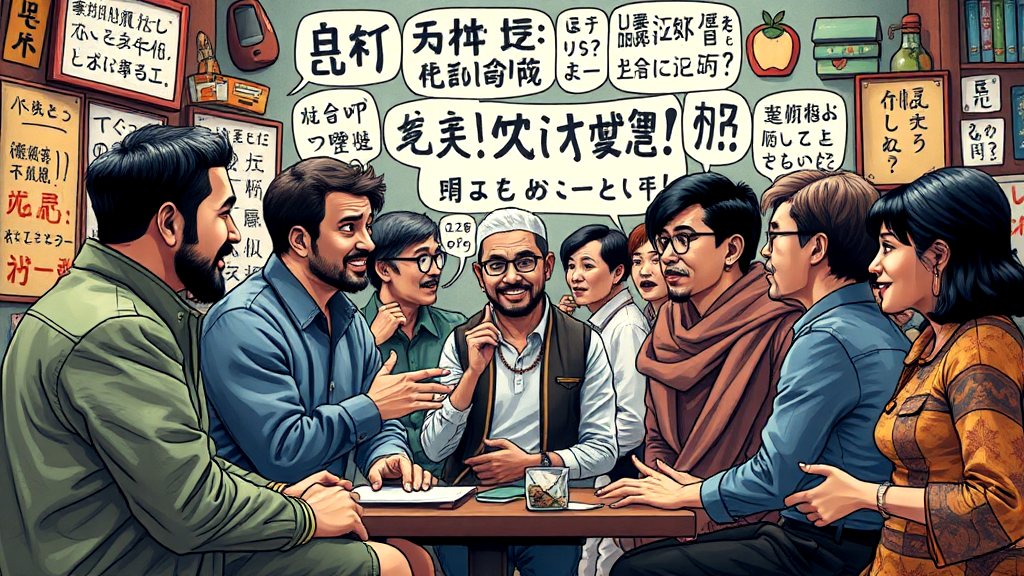
Reasons to Choose Human Translation Services
Opting for human translation over machines brings invaluable benefits. Here’s why:
- Cultural Insight: Human translators grasp cultural nuances and context, offering emotionally resonant translations.
- Precision: They shine in legal, medical, and technical documents where precision is crucial.
- Idiomatic Expertise: Machines often stumble over idioms; humans don’t.
- Human Touch: They provide personalized, relatable translations that machines can’t replicate.
- Error Reduction: Humans spot context-driven errors that machines miss.
- Trustworthiness: They ensure credibility and protect reputations, unlike unreliable translator machines.
- Flexibility: Humans adapt to various styles and tones, ensuring consistency.
- Value: While machine translation is fast, the quality of human translations is unmatched.

When to Opt for Professional Translators
Knowing when to engage professional translators is crucial in the realm of translation. Let’s be honest—some tasks demand more than just speed. When dealing with critical documents, machine translation just won’t cut the mustard. Imagine submitting a legal document with idiomatic blunders. Yikes! Human translators bring reliability to the table.
- Legal Documents: Precision is a must here.
- Medical Texts: Misinterpretations can be life-threatening.
- Marketing Content: Cultural nuances make or break a campaign.
- Technical Manuals: Clear instructions are essential.
- Creative Writing: Captures the original tone.
- Business Contracts: Avoid costly misunderstandings.
- Diplomatic Communications: Ensure cultural sensitivity.
Impact of Poor Translation on Business
The ripple effect of inadequate translation can be devastating for a business. Missteps in translation can not just tarnish a brand’s image but also lead to legal entanglements. Imagine a misinterpreted contract term causing havoc. Potential customers might leave your website, increasing bounce rates and damaging SEO. This is where the human touch shines, ensuring cultural nuances are captured, unlike machine translation. The skill of human translators ensures that content resonates authentically. Even with advanced translator machines, human insight remains irreplaceable. To mitigate these issues, consider the following strategies:
- Use professional translators for critical documents.
- Regularly review translations for accuracy.
- Prioritize key content for translation.
- Maintain a style guide.
- Employ localization experts.
- Double-check translated material.
- Monitor and adjust SEO strategies.
- Train staff in cultural sensitivity.
The Human Touch in Language Nuance
The human aspect in understanding language’s subtleties is invaluable. Machine translation offers speed, but it stumbles with the finer details. It’s like a jigsaw puzzle missing a few pieces. Human translators, on the other hand, capture these nuances effortlessly. Their ability to grasp idiomatic expressions and cultural references is unmatched. Imagine needing a translator for a heartfelt letter—would you trust a machine with your emotions? I wouldn’t. Translator machines are getting better, yet they still rely heavily on human oversight. Without this human touch, the risk of errors increases. Balancing both methods can optimize efficiency and maintain high-quality translations.
| Aspect | Machine Translation | Human Translation | Impact on Communication |
|---|---|---|---|
| Speed | High | Moderate | Quick delivery |
| Cultural Nuance | Low | High | Accurate expressions |
| Idiomatic Accuracy | Low | High | Meaningful connections |
| Cost | Low | High | Budget considerations |
| Emotional Resonance | Low | High | Audience engagement |

Combining Human and Machine Translation
Blending human insight with machine efficiency creates a seamless translation process. Machines churn out quick drafts, while humans polish them, ensuring cultural relevance and accuracy. This combo saves time and money. Ever had a laugh at a machine’s quirky translation? That’s where my skills shine. I smooth out those bumps, making the text resonate.
I’m like a translator machine whisperer, coaxing those drafts into something perfect. It’s not just about getting words right; it’s about capturing the essence. Even Google recognizes the importance of quality over speed. They discuss how quality impacts site performance.
Five Tips for Effective Translation Strategies
Crafting effective translation strategies requires a keen eye on market priorities. I often start by prioritizing content based on its importance in the intended market. This ensures resources are focused where they matter most. For legal documents, accuracy is crucial. Professional human translators handle these with precision. Localization experts are like cultural chameleons, adapting content to fit with elegance. A style guide acts as a compass, keeping translations consistent. Picture this: you think you’ve nailed it, but a quick double-check saves face and fortune. By blending machine translation with my expertise, I ensure the nuances are never lost in translation.
Prioritizing Content for Translation
When deciding which content deserves translation first, I focus on customer needs and business goals. High-value documents like legal contracts or marketing materials get the spotlight. These require the deft touch of human translators for pinpoint accuracy and cultural finesse. For less critical content, I let machine translation do its speedy magic, giving me a rough draft. Then I step in, smoothing out any glitches. It’s like assembling a puzzle, where every piece matters. And yes, translator machines are part of the team, but they’re not the showrunners. I am. My mission? Ensure every word hits home, every time.
Ensuring Legal Text Accuracy
Guaranteeing precise legal text translation demands more than just technical skill. I’ve learned that the devil really is in the details. Human translators understand the nuances needed for such critical documents. Think of them as the guardians of accuracy. While machine translation may handle the bulk, it often misses those subtleties. And trusting translator machines alone? That’s a recipe for misunderstanding. I always double-check, ensuring every word fits perfectly into its legal context. Inaccurate translations can spell disaster in legal contexts, creating misunderstandings or disputes. I approach each task with care, ensuring that meaning is preserved, and intent is crystal clear.
Importance of Localization Expertise
Delving into the significance of localizing expertise, I reflect on the value that human translation brings. Picture a chef adding just the right seasoning to a dish; that’s what human translators do with language. They capture the subtleties, ensuring the message resonates with cultural accuracy. While translator machines can handle bulk, they often stumble over idiomatic expressions. Trusting machines alone is like expecting a computer to understand a joke—it might miss the punchline. Combining human insight with technology ensures precision. It’s not just translating words; it’s about translating essence. This balance keeps translations fresh and relatable, making every word count.
Crafting a Translation Style Guide
Creating a guide to translation style is like laying the foundation for a house. It defines the tone, terminology, and structure, ensuring your translations are consistent and resonate with the target audience. I focus on capturing the voice and nuances that human translators excel at, making it relatable. Translating isn’t just about words; it’s about the feeling behind them. I find that crafting such a guide helps in aligning everyone’s efforts, making sure nothing gets lost. With translator machines lending a hand, we draft swiftly but never at the cost of losing the human touch. This balance keeps translations accurate and engaging.
Double-Checking Translations Before Launch
Before launching, a thorough review of translations is like a safety net for me. A good translation isn’t just about swapping words—it’s about ensuring cultural nuances are spot-on. Human translators possess that knack for capturing idiomatic expressions that machines often fumble. Imagine trusting a joke to a robot—it might miss the punchline! That’s why I always double-check, ensuring every translation resonates with the intended audience. While translator machines can speed things up, their oversight can lead to misunderstandings. In the end, ensuring precision is like adding the final brushstroke to a masterpiece. It’s all about getting it just right.
The Future of Translator Machines
As we look toward the evolving role of translator machines, I can’t help but marvel at the strides made in translation. AI and neural networks are reshaping the way we approach language conversion. Yet, the value of human translators cannot be overstated. Their ability to grasp cultural subtleties and intricate nuances ensures the quality remains uncompromised. Imagine a future where AI generates drafts, while human insight refines them. It’s like baking a cake—machines might mix the ingredients, but humans add the essential flavor. In this way, a harmonious blend of technology and human insight is key to achieving accurate and engaging translations.
Role of Linguists in Machine Translation Development
Linguists play a pivotal role in the evolution of translation systems. Their expertise allows for the infusion of cultural and linguistic nuances into algorithms. We’re talking about those subtle cues that make language rich and expressive. Just like seasoning enhances a dish, linguists add depth and context to translations. While translator machines handle volume, they often miss those crucial subtleties. I find it fascinating how linguists bridge this gap, ensuring translations remain true to their intent. It’s like having a language whisperer guiding the machines. This collaboration ensures translations are not just accurate but also meaningful and engaging, resonating with the audience.
Translation is not a one-size-fits-all task. Machines might help with quick translations, but they often miss the subtleties that make language unique. Imagine relying solely on a machine for a love letter or a business pitch. It might be fast, but it could get awkward quickly. That’s why I trust human translators for important stuff.
I believe it’s all about balance. Why not let machines handle the grunt of large texts, then have human translators refine it? This approach keeps things efficient and accurate. After all, language is more than words; it’s a bridge between cultures. So, whether you’re drafting a legal document or a catchy slogan, remember: human insight matters. Let’s keep our translations meaningful and true.
FAQ
- Why is human insight important in translation?
I believe human insight is crucial because it captures cultural nuances and context. Machines often miss these subtleties, leading to errors. Think of how a joke might fall flat without the right delivery!
- How do human and machine translations differ?
In my experience, human translation offers more accuracy and cultural context. Machines are fast but can stumble over idioms and nuances. It’s like comparing a gourmet chef to a microwave meal!
- What are the common pitfalls of machine translation?
Machine translations often lack context, leading to funny or awkward errors. They might misinterpret idioms or cultural references. This can be a real head-scratcher for readers!
- When should I consider hiring a professional translator?
You might want a pro for critical documents like legal or marketing materials. Their skills ensure the translation hits the mark for the intended audience. It’s like having a seasoned guide in a foreign land.
- How can poor translations affect my business?
Bad translations can damage your reputation and even cause legal trouble. They might confuse or drive away customers, impacting your bottom line. It’s like stepping on a rake in the dark!