
Translation: Need Human Intelligence
The impact of human insight in translation is profound. This goes beyond mere words. People, with their unique ability to grasp cultural nuances, provide depth machines can’t. Picture a translator capturing not just words, but emotions, and intent. It’s like reading the unwritten lines of a conversation. Human translators understand the context and communicate it effectively. Machines, despite their prowess in processing machine code, often miss this human touch.
Here’s what sets humans apart:
- Cultural Understanding: Translators know cultural subtleties. They can translate idioms, sarcasm, and jokes, things machines often botch. Machines lack this cultural sensitivity, often leading to amusing or embarrassing outcomes.
- Empathy: When words need a heart, humans deliver. They connect with readers emotionally, something no artificial intelligence can do yet. Empathy is key in fields like health care, where understanding goes beyond the literal.
- Interpretation of Micro-expressions: Humans can read between the lines—literally. They pick up on body language and tone, crucial for accurate translation. Machines? They’d need a crash course in human interaction.
- Adaptability: Changes in context or language style? No problem for a human. Machines, with their rigid machine learning algorithms, might stumble.
- Contextual Awareness: Humans thrive on context. They get that “bark” can mean a dog or a tree’s outer layer, depending on the situation. Machine learning models might not catch such nuances.
- Emotional Intelligence: Translators bring emotional intelligence to the table. They know when to soften a message or add emphasis, crucial in sensitive areas like health care.
- Creativity: Human translators are creative problem-solvers. They find solutions when words just won’t do. Machines, with their reliance on machine learning programs, often miss this mark.
- Customization: Tailoring messages to specific audiences is a human forte. Machines can follow assembly language, but personalization? That’s a human skill.
Despite advances in machine learning, machines still grapple with language nuance. They decode text but miss out on subtext. People, with their rich backgrounds, bring stories to life. Machines, unfortunately, can’t replicate that magic. Successful machine learning requires natural language understanding, but even machine learning models have their limits.
Yet, there’s a silver lining. Artificial intelligence and humans can team up. Machines handle bulk data, and humans finesse the details. This duo enhances translation accuracy and speed. Imagine a world where technology supports human judgment, not replaces it. It’s a game-changer in health care, where accuracy is non-negotiable.
Now, let’s talk about health care. Translation here isn’t just about words—it’s about lives. Machines, while efficient, can’t match human oversight. Misinterpretations can lead to serious consequences. That’s why human translators are indispensable. They ensure that patient instructions are clear, reducing risks.
The future? It’s a blend of machine learning and human expertise. Machines process vast amounts of data, while people focus on fine-tuning. This partnership ensures health care translations remain accurate and empathetic. However, we must tread carefully. Ethical considerations arise when machines take the lead, especially in sensitive areas. Human oversight is essential to maintaining trust and ensuring understanding.
As technology evolves, the role of humans will shift. We’ll see more collaboration between artificial intelligence and humans. Yet, the human touch will remain irreplaceable. People bring life to words, ensuring communication remains rich and meaningful.
In translation, it’s clear: human insight is invaluable. While machines offer speed and efficiency, they lack the depth and empathy that people provide. This balance is crucial, especially in fields like health care, where words carry weight. Let’s embrace this collaboration, ensuring translations are both accurate and heartfelt.

Why Machines Struggle with Language Nuances
Navigating the nuances of language remains a puzzle for machines. While machine learning revolutionizes many areas, translating the subtleties of human language isn’t one of them. Artificial intelligence can process vast amounts of data but struggles with idioms, sarcasm, and cultural context. These intricate language elements can lead to bizarre translations and misunderstandings.
Let’s take idioms, for example. I remember once reading a machine translation that turned “it’s raining cats and dogs” into a forecast of falling pets. These moments are humorous but highlight a serious gap. Machines, rooted in machine code and assembly language, lack the intuitive leap that human translators make. The natural language intricacies that human intelligence grasps are lost in the rigid patterns of machine learning programs.
Humans, with their rich understanding of culture and context, bring an unmatched depth to translation. We can detect sarcasm, understand humor, and interpret the emotional weight of words. Machines, however, often miss the mark, sticking to literal translations. It’s like asking a robot to paint a sunset. Sure, it might get the colors, but it won’t capture the magic.
Here’s why machines often fall short in language translation:
- Lack of cultural context: Machines don’t grow up in cultures. They can’t understand local nuances and customs.
- Inability to detect sarcasm or humor: These require a shared knowledge base that machines don’t possess.
- Missing emotional intelligence: Machines can’t feel or empathize, leading to flat, unemotional translations.
- Literal interpretations: Without context, machines often translate phrases word-for-word.
- Idiomatic expressions: Machines stumble over expressions that don’t translate directly.
- Dynamic nature of language: Language evolves, and machines can’t keep up without constant updates.
- Complex sentence structures: Machines may misinterpret complex or ambiguous sentences.
Though machine learning models are improving, they still require human oversight. People provide the necessary context and emotional intelligence. They can refine machine translations, ensuring they are not just correct but meaningful. The collaboration between humans and machines is not just beneficial—it’s essential.
In health care, the stakes are even higher. Miscommunication can have dire consequences. Imagine a machine mistranslating a medical instruction. The outcome would be more than just a humorous anecdote; it could be dangerous. Therefore, health care translations require precision and empathy, something machines alone can’t assure.
But it’s not all doom and gloom. Machines are learning. New machine learning algorithms continue to improve translation accuracy. Still, they need guidance. A successful machine learning approach involves harnessing the strengths of both humans and machines. Together, they can bridge the gap left by automated systems.
Many people believe that machines will one day match human translations. I remain skeptical. Machines may learn languages, but can they ever truly understand them? It’s a question of depth versus breadth. Machines offer speed, processing power, and consistency. Humans bring creativity, empathy, and cultural insight.
The future of translation lies in collaboration. As technology advances, humans will play a new role. We’ll guide machines, fine-tuning their translations to ensure they resonate with real-life subtleties. In this way, machines will continue to assist, but they will not replace the human touch. The art of translation will remain a human endeavor, enriched by technology but not defined by it.
In conclusion, while machines can mimic language, they can’t replicate the human experience. Language is more than words; it’s a reflection of culture, emotion, and shared understanding. Machines, with their reliance on machine code and algorithms, lack this depth. So, while they can support us, the heart of translation remains with people.
3 Critical Elements for Successful Translation
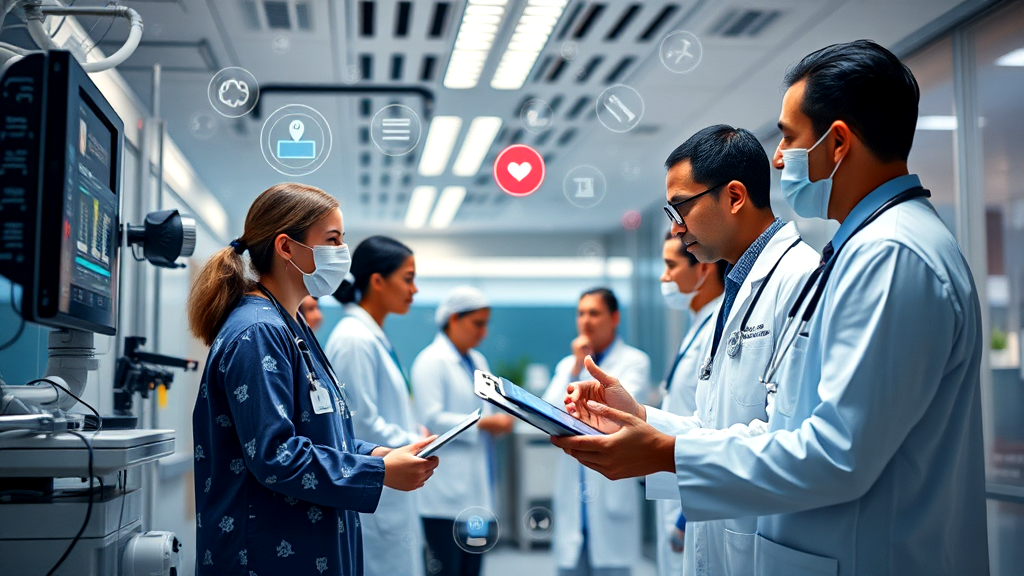
Exploring the crucial aspects for translation success, I often think about three areas: context, cultural sensitivity, and emotional intelligence. These elements are the backbone of effective translation, and they set human translators apart from machines.
Context is king. Imagine translating a phrase without knowing its situation or background. It’s like trying to complete a puzzle with missing pieces. Machines might juggle words, but understanding the full picture is another ballgame. Human translators can grasp subtleties and nuances that machines often miss.
Next, cultural sensitivity is essential. The world is a melting pot of cultures, each with its quirks and intricacies. Translating without cultural awareness is like dancing without music; it misses the rhythm. Machines process data, but humans feel the pulse of culture, making translations resonate more authentically.
Finally, emotional intelligence is a game-changer. Think about how a compliment can land differently depending on tone. A machine might churn out words, but it can’t capture emotions. Human translators can sense and convey feelings, creating translations that truly connect with people.
These three areas are where machines often stumble. While they excel in speed and efficiency, they lack depth. Machine learning programs and algorithms can handle straightforward tasks but falter with complexity. That’s why human involvement remains critical.
Let’s look at this in a different light. Imagine trying to translate a heartfelt letter using just a machine. It might capture the words but miss the emotion. Machines operate on code, devoid of feelings or empathy. Humans, on the other hand, infuse life into translations, making them meaningful and relatable.
Machines, guided by machine learning models, can assist with large-scale projects. They handle repetitive tasks and simple translations, freeing up humans for more nuanced jobs. However, the human touch remains irreplaceable. It’s like comparing a canned laugh track to genuine audience reactions. One is mechanical, the other alive.
Consider healthcare. A machine might translate medical terms, but emotions and cultural nuances are crucial when dealing with patients. A mistranslation can have severe consequences. Human translators ensure clarity and accuracy, bridging language gaps with care and understanding.
In this collaborative dance, humans and machines each have roles to play. Machines offer support, but it’s the human translators who lead, ensuring the dance is graceful and true. The fusion of human intelligence with machine efficiency holds promise for the future.
Let’s peek at a table that highlights these critical elements in translation:
| Aspect | Human Strengths | Machine Strengths | Challenges with Machines |
|---|---|---|---|
| Context | Understanding and adaptation | Data processing | Missing nuances |
| Cultural Sensitivity | Empathy and cultural insight | Quick access to data | Lack of cultural depth |
| Emotional Intelligence | Emotional connection | Consistency | No emotional understanding |
| Efficiency | Creative problem-solving | Speed and scalability | Over-reliance on algorithms |
The interplay of these elements shows why translation remains a uniquely human endeavor. Machines may assist, but they cannot replace the richness and depth human translators bring. The art and science of translation require more than just algorithms; they demand a human presence, a touch of empathy, and a deep understanding of the world we live in.
As I reflect on these elements, it becomes clear that the future of translation is bright. With humans guiding machines, the potential for creating meaningful communication across cultures is immense. It’s a dance of synergy, where machines handle the steps, but humans lead with heart.
Human Insight vs. Machine Learning Models
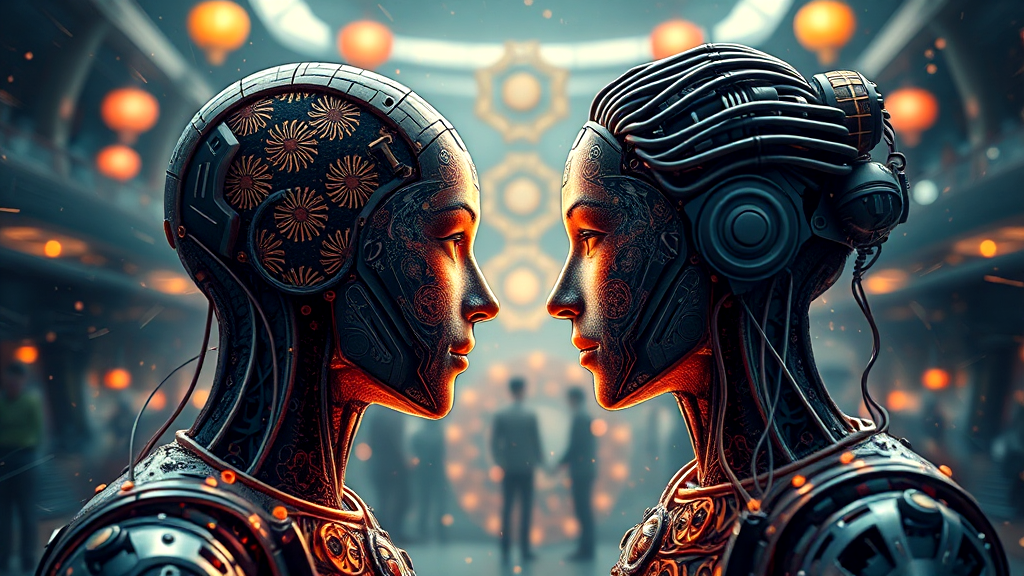
When considering the strengths and weaknesses of translators versus machine learning systems, I see a complex interplay. People naturally excel in understanding context and emotional subtleties. This is where human insight truly shines in translation. Machines, though, are incredibly efficient, processing massive amounts of data quickly. They follow their machine code rules to the letter.
Yet, machines often trip over idioms or sarcasm. They lack the flair for understanding the layers of meaning that human languages carry. I’ve witnessed instances where machine translations missed the mark, translating word-for-word rather than capturing the essence.
It’s a bit like watching a robot dance—technically correct but lacking soul. The artificial intelligence brain doesn’t quite grasp the nuances that people do effortlessly. This is why machine learning models alone can’t replace human translators. Machines have their machine learning program built on algorithms, which are impressive for structured data analysis. However, language isn’t just structure; it’s fluid and filled with emotion.
In translation, people have the upper hand because they understand cultural context. When I translate, I consider not just the words, but the culture behind them. Machines, with their assembly language, just don’t get this part. They process text but don’t feel it.
Interestingly, blending the speed of machines with human creativity could boost translation quality. Machines can handle repetitive tasks or large datasets, while people can ensure the message’s heart is retained. It’s like using a machine learning algorithm to sort through the noise, allowing humans to add the final touch. In healthcare, for example, where precision and empathy are key, both human and machine efforts are crucial.
I imagine a future where machines and humans collaborate more seamlessly. In health care, a delicate balance of efficiency and empathy is essential. Machines can support, but people will always bring the warmth and understanding needed for patient care. Successful machine learning in this area would mean machines taking on the heavy lifting, while people focus on the nuances of language.
- Human Insight: People excel in capturing idioms and cultural subtleties that machines miss.
- Efficiency: Machines process large data sets quickly but lack emotional understanding.
- Machine Code: Machines follow strict algorithms, limiting their ability to interpret context.
- Cultural Sensitivity: Human translators consider cultural nuances, crucial for effective communication.
- Collaboration: Combining machine speed with human creativity could enhance translation efforts.
- Healthcare Translation: In health care, precision and empathy are essential, requiring both human and machine input.
- Future Prospects: The potential for humans and machines to collaborate in translation is immense.
- Translation Challenges: Machines often mistranslate idiomatic expressions, highlighting the need for human oversight.
While machines can be like a reliable assistant, they won’t replace the human touch in translation. The future might see a partnership where machines handle the grunt, and people ensure the message resonates. I feel optimistic about this synergy, especially in areas like healthcare, where a perfect blend of technology and empathy is key. As we move forward, maintaining this balance will be pivotal in achieving successful machine learning outcomes in translation.
The Future of Translation in Health Care
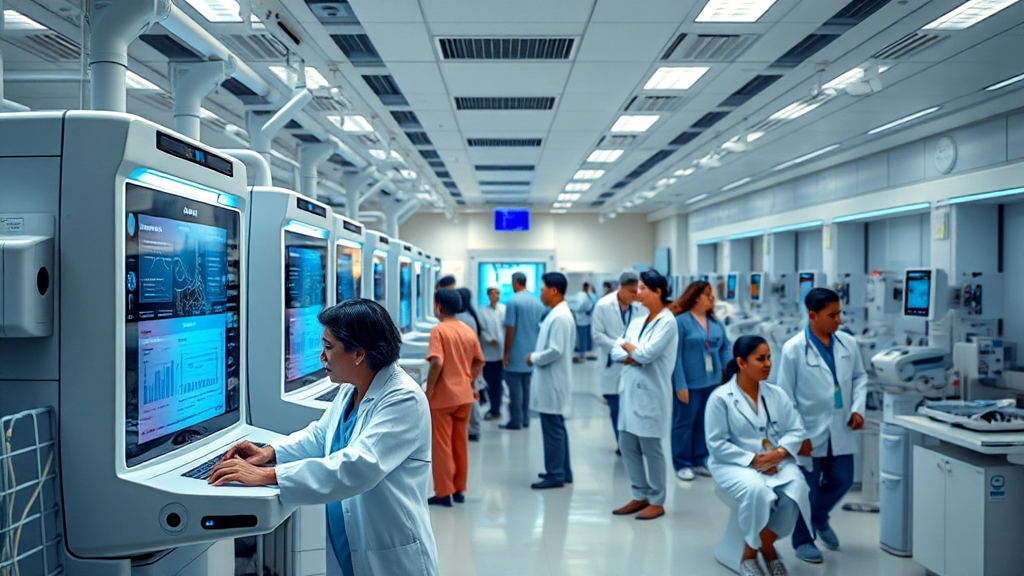
Anticipating Translation Advances in Health Care, I wonder how machine learning will reshape my experiences. People like me, passionate about both technology and language, often discuss this. Will artificial intelligence finally decipher the intricate dance of words and meanings?
In the world of medical translation, accuracy is paramount. A single misunderstanding can lead to dire consequences. I can see machine learning models attempting to bridge this gap. Yet, there’s a catch. Machines often trip over nuances that are second nature to people. It’s like expecting a computer to appreciate a joke—some things require a human touch.
I find myself pondering the day when assembly language might be able to interpret the subtleties of human dialogue. Until then, I see it more as a tool. Like a hammer in the hands of a master carpenter, it’s useful, but not a replacement for skill. People bring empathy and understanding that machines lack.
These machine learning algorithms are impressive, no doubt. But as I see it, they still need guidance. In healthcare, where lives are on the line, I believe humans and artificial intelligence must collaborate closely. Machines can process data at lightning speed, yet they lack the emotional intelligence people inherently possess.
Imagine a scenario where machine code flawlessly translates medical terminology. Despite this, a human is still needed to ensure the message lands as intended. This blend of machine and human intelligence could transform healthcare translation, making it more reliable and empathetic.
While the promise of artificial intelligence in translation is tantalizing, the road is long. Machines will continue to evolve, but so will our understanding of their potential and limitations. People, with their unique insights, remain crucial in this journey.
In a world driven by machine learning, the role of human translators is evolving. They are not being replaced; instead, their roles are becoming more strategic. I see them overseeing the nuances that machines often miss, ensuring that communication in healthcare remains clear and compassionate.
As I look to the future, I see a tapestry woven with threads of technology and human insight. The translation in healthcare will not just be about words. It will be about connecting people in meaningful ways, powered by both machine efficiency and human empathy. This is where I see the potential for true innovation.
In this rapidly changing field, I feel a sense of excitement. The potential for collaboration between people and machines is immense. It’s like watching the dawn of a new era, where technology serves humanity in unprecedented ways. This is the future I envision for translation in healthcare.
Consider this table, illustrating how machine learning and human input intersect in healthcare translation:
| Aspect | Machine Learning Contribution | Human Contribution | Importance |
|---|---|---|---|
| Speed | High | Moderate | Enhances efficiency |
| Accuracy | Moderate | High | Ensures precision |
| Emotional nuance | Low | High | Vital for patient communication |
| Idiom understanding | Low | High | Prevents misunderstandings |
| Cultural sensitivity | Low | High | Maintains respect and empathy |
I hope this glimpse into the future sparks your imagination as it does mine. The balance of machine efficiency and human empathy holds promise for transformative advancements in healthcare translation. People and machines are not adversaries; they are partners shaping the future of communication.
Conclusion
Human insight stands as an irreplaceable pillar in translation, especially in fields like healthcare. Machine learning has made strides, but it often trips over subtle language nuances. Imagine a healthcare setting where a machine misinterprets a critical medical term. Yikes! That’s where human translators shine, ensuring safety and clarity.
I can’t help but feel hopeful about the future where humans and machines collaborate. This partnership could revolutionize translation accuracy and efficiency. Yet, I believe we must keep human oversight at the heart of the process. After all, machines lack empathy and cultural understanding. In the end, blending human intuition with technological advancements offers the best of both worlds. Let’s keep our language translation human-centered, ensuring it remains effective and compassionate.
FAQ
- What makes human translators superior to machines?
Human translators bring cultural understanding and empathy to the table. They can interpret things like idioms, sarcasm, and even micro-expressions. Machines, on the other hand, often miss these subtle cues. It’s like comparing apples and oranges!
- Why do machines often get language nuances wrong?
Machines lack the emotional intelligence and context awareness that humans possess. They may mistranslate idioms or sarcasm, leading to hilarious or even disastrous misunderstandings. It’s akin to wearing sunglasses at night—not the best approach for clarity!
- What are the critical factors for successful translation?
Successful translation hinges on context, cultural sensitivity, and emotional intelligence. These elements help ensure the translation is meaningful and accurate. Machines might be fast, but without these factors, they lose the plot.
- How do human insight and machine learning differ in translation?
Human insight offers creativity and cultural nuance, while machines excel in speed and consistency. Together, they can complement each other well. Imagine having the best of both worlds—a dynamic duo for translation!
- What role will human translators play in healthcare’s future?
In healthcare, accuracy and context are crucial. Machines might speed up processes, but human oversight is essential to ensure patient safety. It’s the difference between a well-oiled machine and a heartfelt conversation.