
Evolution of Translation Technology
The journey of translation technology shows how far we’ve come in bridging language gaps. Initially, it relied solely on humans to translate languages. Then, machine translation entered the scene, speeding things up, but not without hiccups. These machines often stumbled over idioms and cultural references. That’s where human translators still shine, ensuring translations retain their intended meaning.
AI has taken translation to another level. It’s made real-time language processing a reality. But let’s not forget, machines still miss the mark on linguistic accuracy. They may help with bulk tasks, but human intelligence is crucial for nuanced understanding. This is evident in fields like scientific writing, where precise interpretation is key.
In academic writing, AI tools support with sheer volume. Yet, people are needed to ensure clarity and academic integrity. I find this balance crucial, especially in sensitive areas like healthcare. Here, precise translation can be life-saving. Machines help with quick translations, but it’s the human touch that ensures accuracy and cultural appropriateness.
Realizing the role of human translators today is like acknowledging the unsung heroes in translation. They bridge the gap between AI efficiency and human insight. This partnership is evident in fields like scientific research and academic writing, where the stakes are high. Considering the future of translation, AI will continue to evolve. However, the irreplaceable value of human insight will always be a cornerstone.
| Period | Key Development | Impact on Translation |
|---|---|---|
| Pre-1990s | Human Translation | Manual and time-consuming |
| 1990s | Rise of Machine Translation | Faster but less accurate |
| 2000s | AI Integration | Real-time processing introduced |
| Present | AI & Human Collaboration | Enhanced accuracy and efficiency |
| Future Prediction | Advanced AI Tools | Greater machine capabilities |
- Cultural Insight: People provide essential context.
- Accuracy: Human translators ensure precision.
- Emotional Nuance: Convey emotions effectively.
- Ethical Considerations: Uphold standards.
- Adaptability: Handle unforeseen challenges.
- Healthcare: Accurate translation is crucial.
- Scientific Writing: Precision needed for credibility.
- State University: Supports academic writing improvements.
Limitations of Machine Translation
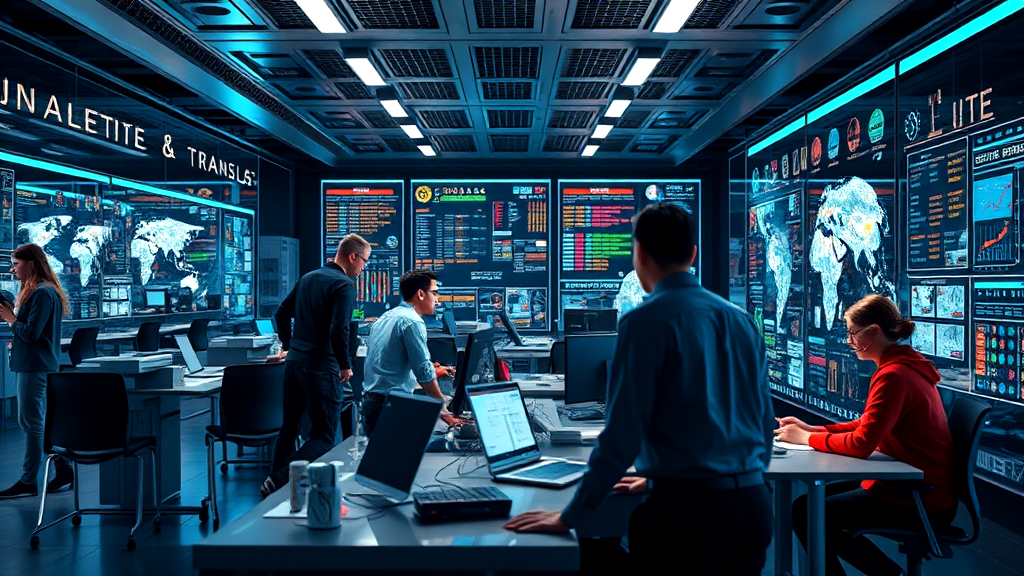
When examining the limitations of current translation technology, some challenges are quite apparent. Machine translation struggles with idiomatic expressions and cultural subtleties. Let’s be honest, it often feels like trying to explain a joke that just doesn’t land. For those of us who rely on translations, we know that context is everything. Machines frequently miss this, and that’s where human oversight swoops in to save the day.
Artificial intelligence has improved translation accuracy but falls short in situations demanding human intelligence. Machines translate words, not meanings. They lack the cultural insight that people naturally possess. For instance, my friend once used a translation app to order dinner and ended up with a mystery dish. It was a delicious adventure, but it highlights the issue.
In health care, precision is not optional. Quick translations by AI can support this field, but a human touch ensures patient safety. Human translators act as the safety net, catching errors before they spiral into confusion.
Academic writing and scientific writing demand more than mere text conversion. They require an understanding of intricate meanings and terminologies. Human translators shine here, preserving the integrity of scientific research. They support academic writing by ensuring ideas don’t get lost in translation.
A gates notes insider might explore how machine learning aids translation. But without people to check that everything makes sense, the results can be as clear as mud. For those interested, Scopus offers an extensive look at academic advancements.
Ultimately, machine translation is incredible technology. Yet, it’s similar to having a GPS that knows every road but can’t predict traffic jams. We need people to navigate those unpredictable human elements. If you’ve ever tried translating a heartfelt letter with an app, you’ll know that while machines are efficient, they’re not quite ready to replace the human touch.

Human Intelligence in Translation
In exploring how intelligence informs translation, I see the crucial role of human insight. Machines can churn out words, sure, but they often miss the heart of what people are trying to say. It’s like baking a cake without sugar – all the right elements, but lacking flavor. People bring that flavor to translation, understanding context and emotion that machines just can’t grasp.
Let’s face it: in health care, a wrong translation could mean a medical mishap. Imagine explaining symptoms in another language; if the translator doesn’t catch all the nuances, the outcome might not be pretty. That’s why people, not just machines, must be involved, ensuring accuracy and cultural sensitivity are maintained.
In academic writing, the stakes are high. A mistranslated research paper could derail a year’s worth of data collection. I’ve seen this firsthand with state university projects, where human translators ensure the integrity of the original message. This is where artificial intelligence aids but doesn’t replace human oversight. It’s a bit like a trusty sidekick – always there, but not the star of the show.
Even in the world of machine learning, where data rules, human judgment is still needed to discern patterns and anomalies. Machines can process volumes of data, but people interpret it, giving meaning to dry numbers. This blend of technology and human expertise is what keeps academic research alive and kicking.
For those with a Gates Notes account, you know the importance of human touch in information curation. Imagine a Gates Notes insider article written solely by AI – insightful, but missing the human nuance. So, while machines assist, it’s the people who make translation a craft rather than a mere transaction. The future of translation will see human intelligence and AI working hand in hand.

Cultural Nuances and Language
Translating cultural subtleties into another language isn’t just swapping words. It requires understanding the unspoken contexts people attach to phrases. This is where human intelligence shines, especially over machines. Machines might know words, but they often misinterpret the layers of meaning that come with them. Emotional depth, for example, is a human specialty that machines can’t replicate.
In marketing or literature, these subtleties are crucial. A literal translation might technically be accurate but fail miserably in engaging the audience. It’s like giving someone a cake without the sugar — technically a cake, but not quite delightful. When it comes to academic writing, the stakes are even higher. Misinterpret a term, and you could turn groundbreaking scientific research into a confusing mess.
I’ve noticed how artificial intelligence has come a long way in translation, but humans still interpret complex academic writing best. Machines can process data, but they lack the cultural insight human translators bring to the table. In the world of health care, this becomes a matter of life and death. Miscommunication isn’t just a minor error; it could lead to serious consequences.
Interestingly, a recent article on Pew Research highlighted how technology enriches but can’t fully replace the human element in translation. This is something we see even with machine learning advancements. It’s a bit like having a map but needing a local guide to navigate the terrain effectively.
In my experience, while machines can support academic writing by handling large data volumes, they still fall short in understanding the nuanced emotional tones. That’s why people remain essential, providing the context machines miss. As we look to the future, I foresee a dance between machine precision and human creativity, where both artificial intelligence and human translators collaborate to create seamless, culturally rich translations.
Translation in Academic Research
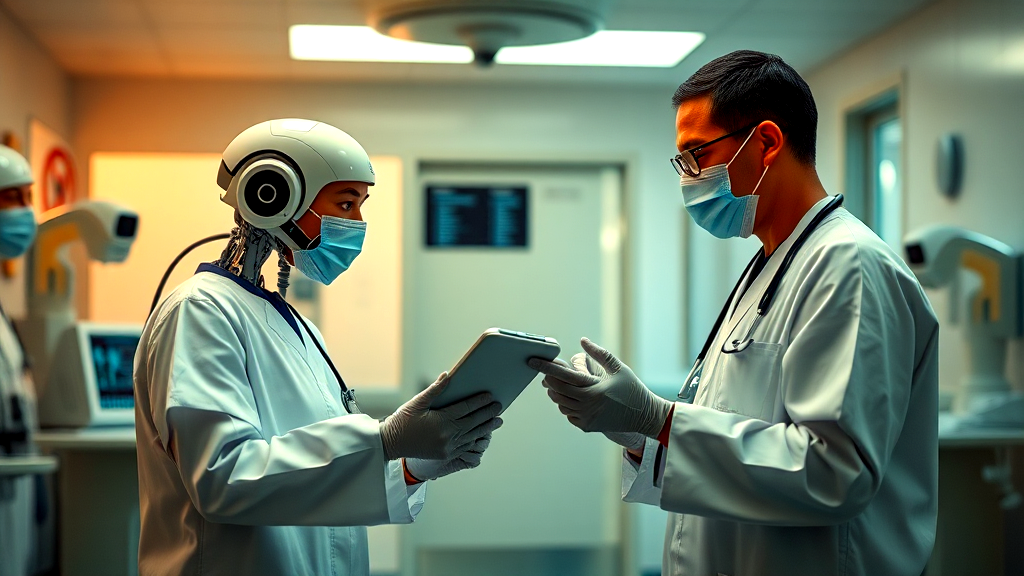
In the realm of academic research, translation holds the torch of knowledge sharing. I often marvel at how artificial intelligence aids in managing complex academic writing tasks. Still, it’s human intelligence that ensures the final product resonates with clarity and precision. This balance is crucial in scientific writing, where complex terminology can be a minefield for machines. I once read on Gates Notes about the need for human oversight in translation. The article emphasized the human touch, which AI can’t replicate, no matter how advanced.
Imagine the chaos without people in this equation. People act as bridges, ensuring that translations accurately convey the original intent. This role is pivotal in fields like health care, where a misstep could have dire consequences. In scientific research, the stakes are equally high. Human translators help maintain the integrity of research findings and support academic writing by capturing those intricate details machines might skip over.
Machine learning has indeed made strides, yet its limitations are still evident. It’s almost like having a robotic assistant that needs a human supervisor. While AI processes data at lightning speed, it still struggles with cultural nuances and emotional subtleties. This is where human translators shine, adding layers of meaning and context to their translations.
I’ve seen how state universities often rely on a blend of AI and human translators. They understand the value of integrating machine efficiency with human empathy. Gates Notes Insider once mentioned this collaboration as the future of translation. As we straddle the line between technology and human insight, the future seems bright. The potential for seamless, accurate translation in health care and beyond is vast. With both AI and humans, the world of academic research becomes a more connected and comprehensible place.

Challenges in Scientific Writing
Addressing the hurdles in scientific writing, translation often adds another layer of complexity. I mean, translating scientific research with all its jargon can feel like deciphering a secret code. You know, those complex terminologies and precise data interpretations aren’t just a walk in the park. Sure, artificial intelligence lends a hand in organizing and analyzing texts, but nothing beats the human touch for ensuring accuracy.
Now, let’s talk about academic writing. It’s a different beast altogether. I’ve seen people wrestle with the challenge of preserving the original intent of scientific writing while making it understandable. This is especially tricky when you mix in machine learning, which sometimes misses the subtle nuances humans effortlessly catch.
For instance, in state universities, there’s often a reliance on human translators to bridge this gap. They bring human intelligence that machines simply can’t replicate. It’s like having an artist translate a painting’s emotion into words. Plus, the stakes are high in fields like healthcare, where precise translation can mean the difference between life and death.
Then there’s the role of people in this dance between machines and words. They are the unsung heroes who ensure that translations maintain their original message and tone. They bring cultural context and emotional nuance, crucial in sensitive documents and creative works. Think of them as the translators who bring the Gates Notes to life, ensuring the insights reach a global audience.
Here’s a quick rundown:
- Complexity of scientific terminology.
- Ensuring precision in translations.
- Balancing AI efficiency with human insight.
- Real-world stakes in healthcare.
- Preserving original intent in academic writing.
- The irreplaceable role of human translators.
- Bridging language and cultural gaps.
- Enhancing understanding through human intelligence.
| Challenges | Impact | Solution | Importance |
|---|---|---|---|
| Complex terminology | Misinterpretation | Human oversight | High |
| Cultural nuances | Lost meanings | Human translators | Essential |
| AI limitations | Errors in context | Human input | Critical |
| Healthcare stakes | Safety risks | Accurate translation | Vital |
| Academic writing | Miscommunication | Human expertise | Crucial |

The Role of Human Translators Today
The significance of human translators in today’s world can’t be overstated. They bridge the gap between raw machine efficiency and the nuanced understanding that humans bring to the table. Even with advancements in artificial intelligence, machines often stumble over idioms or cultural references. This is where people shine, adding a personal touch and ensuring the message is conveyed correctly.
- Cultural Insight: People understand cultural subtleties and can interpret them in ways machines can’t.
- Precision in Academic Writing: Translators ensure accuracy, especially in complex academic writing and research.
- Emotional Nuance: Machines lack the ability to convey emotions, a critical aspect in many translations.
- Ethics and Sensitivity: Human oversight ensures ethical considerations are met, especially in sensitive documents.
- Adaptability: Translators can handle unexpected challenges that arise during translation tasks.
- Healthcare Precision: In healthcare, human translators ensure translations are accurate and culturally sensitive.
- Scientific Writing: They maintain the accuracy and credibility of scientific publications.
- Machine Learning Collaboration: By working with machine learning, translators improve efficiency without losing quality.
Let me tell you a little secret: I once tried translating a simple email using a popular AI tool. The results were… amusing, to say the least. That experience made me appreciate the value of human translation even more.
According to this New York Times article, even the most advanced AI tools have significant limitations. They often misinterpret context, requiring human intervention to ensure accuracy. It’s a partnership, really. Machines handle the grunt of the task, while humans add the finishing touches. State universities and other institutions rely on this synergy to maintain high standards in writing and research.
In conclusion, while AI and machine learning continue to evolve, the human touch remains indispensable. Whether it’s in health care, academic settings, or beyond, human translators are here to stay.
Health Care and Accurate Translation
In health care, precise translation can make all the difference. Think about it: you’re sitting in a doctor’s office, trying to grasp critical medical instructions, but there’s a language barrier. That’s where the magic of proper translation steps in. It’s not just about words; it’s about ensuring every patient understands their treatment, keeping miscommunication at bay.
As much as artificial intelligence has revolutionized translation, it’s still a tango between man and machine. Sure, AI can swiftly churn out translations, but the nuances? That’s where people shine. It’s like making a cake from a box mix—AI does the heavy lifting, but human translators add the secret ingredient of understanding.
In academic writing, this becomes a lifeline. Imagine reading scientific research with mistranslated terms. It’s like trying to solve a puzzle with missing pieces. Human translators step in to ensure clarity and precision, especially in scientific writing where accuracy is non-negotiable.
But hey, let’s not forget the gates notes insider giggle moment. The first time I tried translating academic papers with AI, the results were hilarious. Imagine reading about “dancing molecules” in a serious research paper!
Even in the realm of machine learning, precision is key. Misinterpretations can lead to flawed algorithms and skewed results. Translators are the unsung heroes here, making sure every byte of data is spot on.
And let’s talk about the importance of cultural context. In health care, cultural sensitivity isn’t optional—it’s a must. Misunderstanding can lead to misdiagnosis or worse, so having the right translation can literally save lives. It’s like having a gates notes account of cultural wisdom at your fingertips.
So, if you’re diving into academic research or scientific research, remember the unsung heroes—the translators who make sure we all speak the same language, even when we’re worlds apart.
The Future of Translation and AI
Considering the evolving dynamics of translation and AI, I find myself pondering the future of this field. Artificial intelligence is like a double-edged sword—offering both efficiency and challenges. While machines have come a long way, they still need a bit of human touch for those tricky cultural nuances. I mean, imagine a robot trying to grasp the emotional depth in a Shakespearean sonnet? It’d be like teaching a fish to ride a bicycle!
In academic writing, the stakes are even higher. Scholars rely on precise translations to convey their groundbreaking ideas to the world. It’s not just about words; it’s about capturing the essence of the research. The complexity of scientific writing demands a translator who speaks the language of science fluently.
The pressure cooker environment of health care is another beast altogether. Here, translating medical jargon accurately can prevent serious mishaps. It’s like having a gates notes insider guide you through a maze. And when it comes to people, a mistranslation could spell disaster.
With machine learning, there’s always a dance between technology and human intervention. Machines are learning, but they need guidance. I sometimes think of translators as the sherpas of the digital world—guiding AI up the steep mountain of language.
In this era, state universities are embracing AI for translation. Yet, they recognize the importance of human translators in safeguarding academic integrity. It’s a delicate balance, ensuring both machine efficiency and human depth.
If you’re curious about how AI impacts scientific writing for non-native speakers, check out this study.
| Aspect | AI Contribution | Human Contribution | Future Outlook |
|---|---|---|---|
| Cultural Nuance | Limited understanding | Essential expertise | Enhanced AI adaptation |
| Accuracy | Fast but flawed | Precise and reliable | Hybrid precision |
| Emotional Tone | Lacks empathy | Captures emotions | AI empathy development |
| Ethics | Lacks judgment | Ethical oversight | AI ethical training |
| Flexibility | Static responses | Adaptive solutions | Dynamic AI adjustment |
- Precision: Necessary in all forms of translation.
- Cultural Understanding: Human translators excel in this area.
- Academic Necessity: Essential for clear, cross-cultural academic exchanges.
- Healthcare Safety: Vital in medical contexts.
- AI Collaboration: Continues to grow and evolve.
- Technological Progress: Constantly advancing.
- Human Insight: Always indispensable.
- Ethical Oversight: Ensures responsible translations.
Five Reasons Human Translators Matter
Exploring why human translators are still essential, cultural insight tops the list. Machines may churn out translations in a jiffy, but can they capture cultural nuances? Not a chance. Imagine translating a joke without understanding its cultural context—flat as a week-old soda. This is where people shine, adding a rich layer of understanding. Transitioning to accuracy, machines often trip over complex texts. Ever seen a machine tackle academic writing or scientific research? It’s like watching a baby deer learn to walk.
Emotional nuance is another area where people excel. Machines can string words together but conveying emotion? That’s like asking a toaster to dance. Translators can read between the lines, catching the subtle emotions that machines overlook. It’s like having a heart-to-heart chat versus a robotic monologue. Continuing with ethical considerations, human translators ensure ethical standards are met. They understand the gravity of sensitive translations, especially in fields like healthcare and academic writing.
Finally, adaptability is a trait machines dream of. Life throws curveballs, and translation is no different. People can adapt to unforeseen challenges, while machines? They’re more like a deer caught in headlights. Whether it’s sudden changes in context or unexpected idioms, human translators keep the translation train on track.
| Reason | Human Translators | Key Area | Importance |
|---|---|---|---|
| Cultural Insight | High | Cultural Understanding | Very High |
| Accuracy | Very High | Complex Texts | Crucial |
| Emotional Nuance | High | Emotional Conveyance | Essential |
| Ethical Considerations | High | Sensitive Material | Critical |
| Adaptability | Very High | Unforeseen Challenges | Indispensable |
Machine learning and artificial intelligence are evolving, but the role of human translators remains irreplaceable. After all, people bring a unique touch to the art of translation, ensuring every piece of writing resonates authentically with its audience.
Conclusion
The need for human translators isn’t disappearing anytime soon. Technology has made strides, yes, but human intelligence still holds the ace. Machines can process words, but they stumble over subtleties. A joke might fall flat or a metaphor could morph into something unintended. That’s where we come in, ensuring every translated word hits the right spot.
In healthcare or academic research, accuracy isn’t just important—it’s critical. A misplaced word can lead to misunderstandings or even risks. Human translators bring a nuanced understanding that machines can’t replicate. So, while AI evolves, I believe our role remains significant. Our cultural insight and emotional intelligence will always add value. The future of translation is not just about technology; it’s about blending our skills with AI to keep communication clear and meaningful.
FAQ
- Why can’t machines completely replace human translators?
Machine translation has come a long way. But it still can’t capture every nuance. Machines often miss cultural context and emotional subtleties. This is where human translators shine. They ensure translations are accurate and meaningful.
- What makes human translators indispensable in academic research?
Academic research requires precise language and clarity. Machines can help with large data sets. However, they often miss the fine details. Human translators maintain integrity and ensure the research communicates effectively.
- How do human translators handle cultural nuances better than machines?
Cultural nuances are tricky. Machines often misinterpret or ignore them. Human translators know how to navigate these subtleties. They ensure translations resonate with the intended audience. This is crucial for marketing and literature.
- In what ways do human translators enhance healthcare translations?
Accurate translation in healthcare is critical. Machines can process information quickly. But human translators ensure precision and cultural appropriateness. This ensures patient safety and quality care.
- What does the future hold for translation with AI and human collaboration?
AI will continue to evolve and improve. It will become an even better tool. However, human insight will remain crucial. The future will likely see AI and human translators working together. This partnership will ensure high-quality translations.