Can Machines Truly Understand the Depths of Human Communication?
Language is one of the most complex and fascinating tools humans have at their disposal. It’s more than just a way to communicate; it’s a way to express emotions, build connections, share ideas, and preserve cultures. Over time, technology has dramatically changed how we communicate, offering new and exciting ways to bridge distances, connect with others, and share knowledge. From the telegraph to the telephone, and now to smartphones and artificial intelligence, machines have increasingly become an essential part of how we interact. But despite these technological advancements, machines still struggle to grasp the true intricacies of human language.
At first glance, it might seem like machines are making incredible strides in language understanding. Virtual assistants like Siri, Alexa, and Google Assistant can answer our questions, translate languages, and even engage in casual conversations.
Apps like Google Translate allow us to communicate across language barriers that would have been insurmountable just a few decades ago. However, beneath this surface-level understanding lies a deeper issue: machines, for all their computational power, still struggle with the nuances, context, and cultural significance that make language so rich and meaningful.

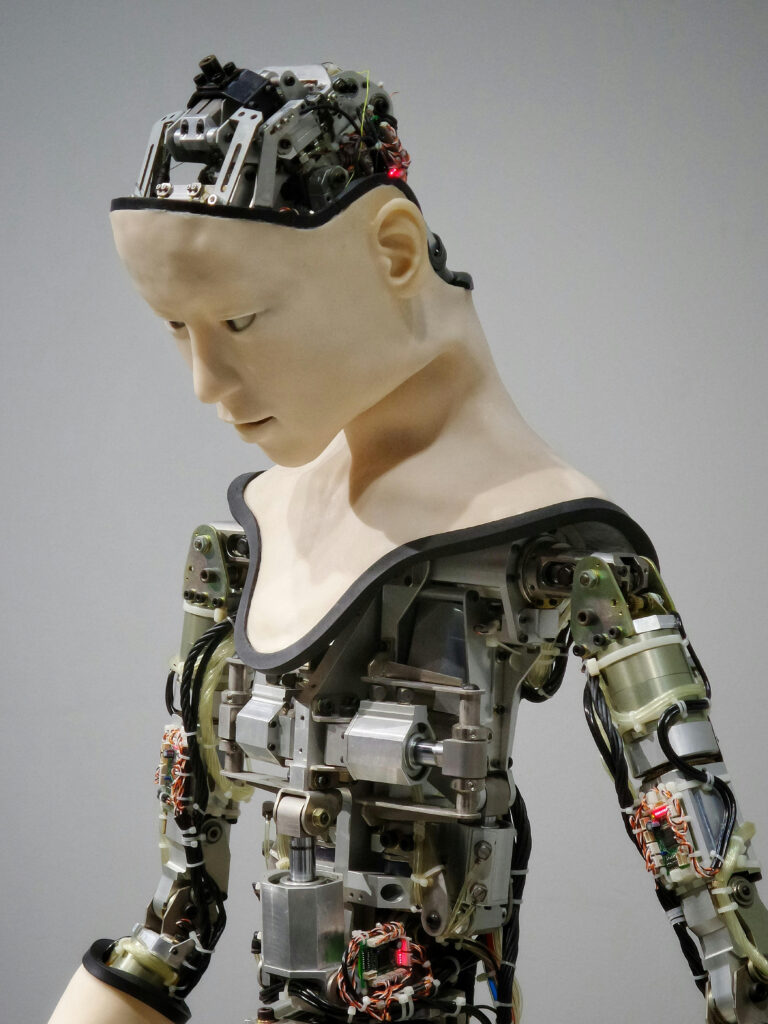
Machines don’t have the ability to understand language subtle cues.
The Complexity of Language
Human language is far more than just words and sentences. It’s a system of communication that’s deeply rooted in cultural context, historical development, and emotional undertones. Words can have multiple meanings depending on how they’re used, and subtle changes in tone or expression can drastically alter a message’s meaning. Sarcasm, irony, metaphors, and idioms are just a few of the linguistic elements that machines struggle to interpret correctly. For humans, these are second nature. We can quickly understand when someone is being sarcastic based on their tone or facial expressions, but machines don’t have this intuitive ability.
The problem lies in the fact that machines rely on algorithms and data to “understand” language. They analyze patterns in the data they are trained on, but this approach falls short when faced with the vast, unpredictable, and ever-evolving nature of human communication. Language is not static; it changes over time, adapts to new circumstances, and varies greatly from one culture to another. A phrase that makes perfect sense in one language or region might be completely misunderstood in another. For machines, which rely on predefined rules and patterns, this level of complexity is hard to manage.
The Role of Context
One of the most significant challenges machines face when it comes to understanding language is grasping context. Human communication is filled with layers of meaning that often depend on the situation, the relationship between the speakers, and even the history of their interactions. For example, the phrase “I’m fine” can mean very different things depending on the speaker’s tone, facial expression, and the circumstances in which it is said. If someone says it while smiling and laughing, it probably means they are genuinely fine. But if they say it with a sigh or a frown, it could indicate that they are anything but fine.
Machines, however, don’t have the ability to understand these subtle cues. They can only process the words themselves, not the context in which they are spoken. This lack of contextual understanding leads to frequent misinterpretations, especially in more complex conversations where emotions, relationships, and unspoken cues play a crucial role.
Take, for example, the difficulty machines have with translating idiomatic expressions. In English, the phrase “break the ice” means to initiate conversation or ease tension in a social situation. However, if a machine were to translate this phrase literally into another language, it might produce a confusing or nonsensical result. Understanding idioms requires a deep knowledge of cultural context, something that machines still struggle to grasp.
Emotions and Tone
Beyond context, emotions play a central role in human communication. Our ability to express and interpret emotions is one of the most powerful aspects of language. A simple sentence like “I’m happy for you” can be sincere, sarcastic, or even indifferent, depending on the speaker’s tone and emotional state. While humans can effortlessly pick up on these emotional cues, machines are often left in the dark.
Although recent advancements in artificial intelligence and machine learning have led to some improvements in recognizing emotions in text and speech, these systems are far from perfect. Machines can be trained to recognize specific patterns associated with certain emotions—such as an increased pitch in speech indicating excitement or a specific word choice indicating sadness—but they still struggle with the fluidity and unpredictability of human emotions. Emotions are complex and often don’t follow clear-cut patterns, making it difficult for machines to accurately interpret them.
Cultural Nuances
Language is also deeply intertwined with culture. Every language reflects the history, values, and social norms of the people who speak it. For example, in many Asian cultures, respect for elders and authority is embedded in the language itself. In Korean, there are specific honorifics and speech levels that reflect the speaker’s relationship with the person they are addressing. Similarly, in Japanese, the language changes depending on whether you are speaking to a superior, a peer, or a subordinate. Machines, which are trained on vast datasets, often miss these subtle cultural nuances, leading to awkward or even offensive translations and interactions.
Cultural differences also extend to humor. What one culture finds funny might be completely lost on another. Humor often relies on wordplay, timing, and cultural references, all of which are difficult for machines to grasp. While humans can quickly adapt their language based on the cultural context, machines remain rigid in their approach, often missing the mark when it comes to understanding humor or cultural subtleties.

The Future of Machine Language Understanding
Despite the challenges, there is no doubt that technology will continue to improve in its ability to understand and interpret human language. Advances in natural language processing (NLP) and machine learning are already making a difference, allowing machines to handle more complex language tasks than ever before. However, true language understanding—especially when it comes to the subtleties of context, emotion, and culture—remains a long way off.
One promising area of research is the development of AI systems that can better understand and interpret context. By analyzing larger amounts of data and incorporating more complex models, researchers are working towards creating machines that can understand not just the words being spoken, but also the context in which they are used. This could lead to more accurate translations, more natural-sounding virtual assistants, and even AI systems capable of holding meaningful conversations.
Another area of focus is emotion recognition. By improving the ability of machines to detect and interpret emotional cues, we could see more empathetic and responsive AI systems. This would have significant implications for industries such as customer service, where understanding and responding to customer emotions is key.
While machines have made significant progress in language processing, they are still far from mastering the intricacies of human communication. The complexity of language—its ever-evolving nature, its deep ties to culture, and its emotional undertones—remains a formidable challenge for technology.
As we continue to develop more advanced AI systems, it is essential to recognize the limitations of machines when it comes to language and to approach their use with caution and understanding. The dream of truly seamless human-machine communication is still on the horizon.